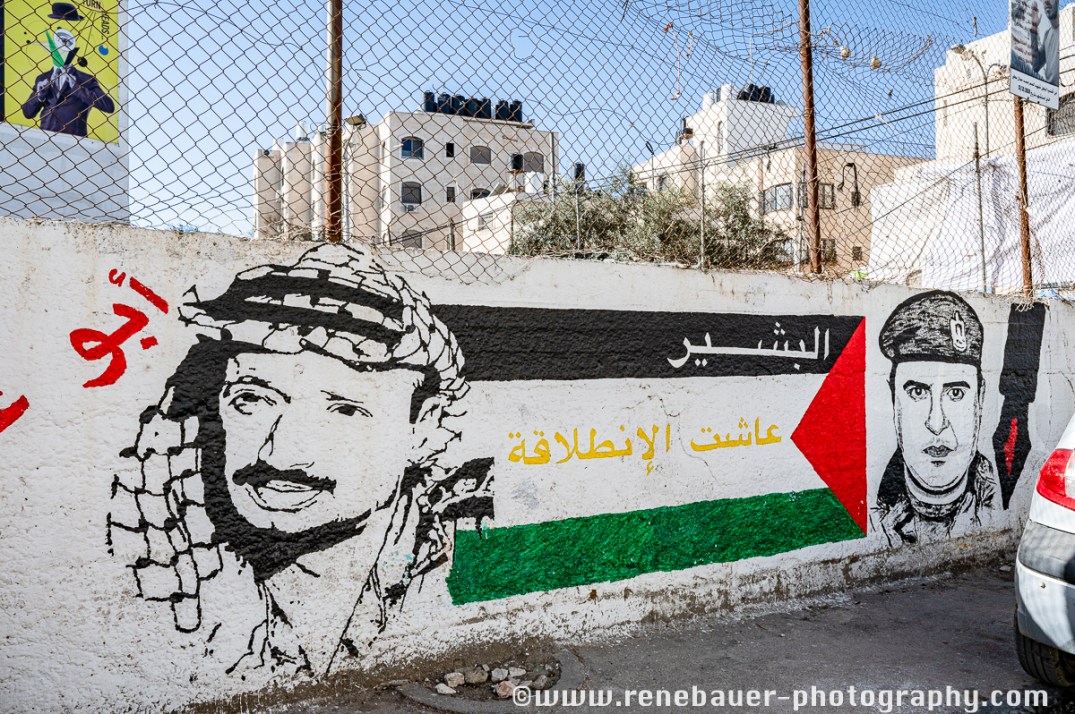
Palestine – Ramallah with Arafat Mausoleum

Palestine. Of course i wanted have at least a glimpse over the walls. To get an own picture of their life and get an idea of the region, its history and its inhabitants.

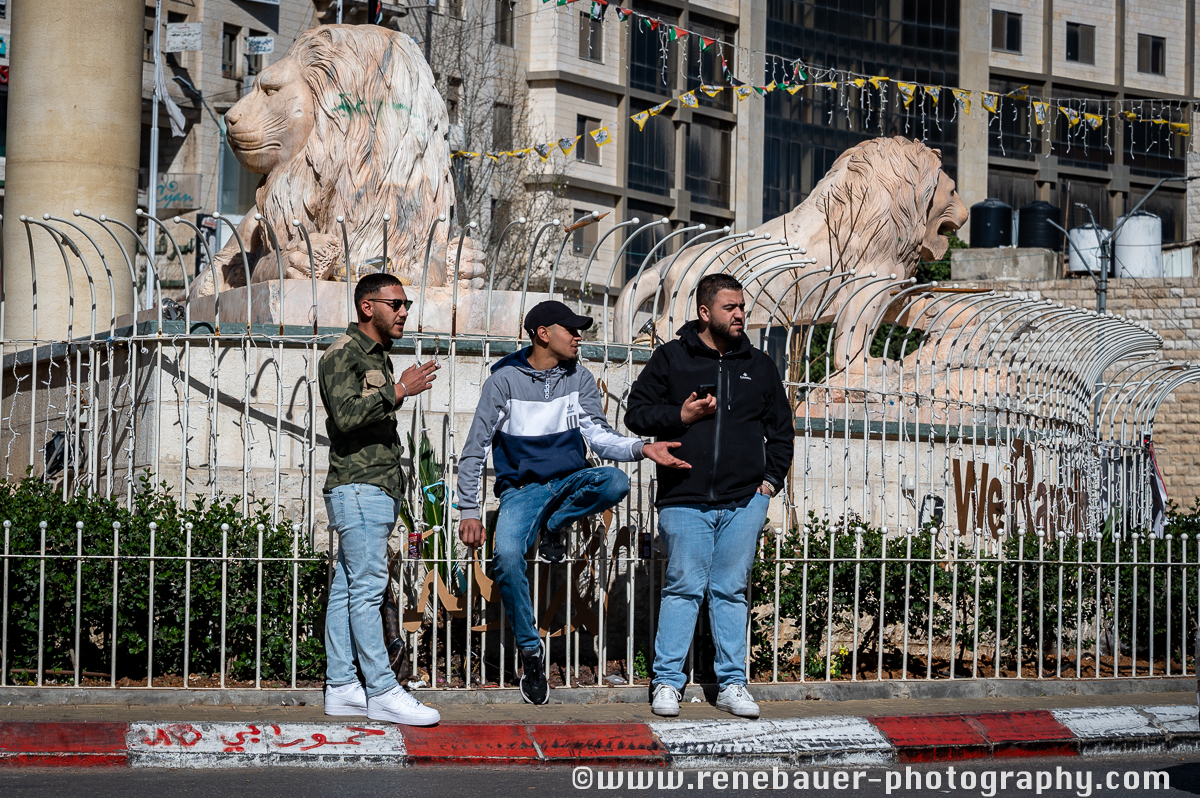
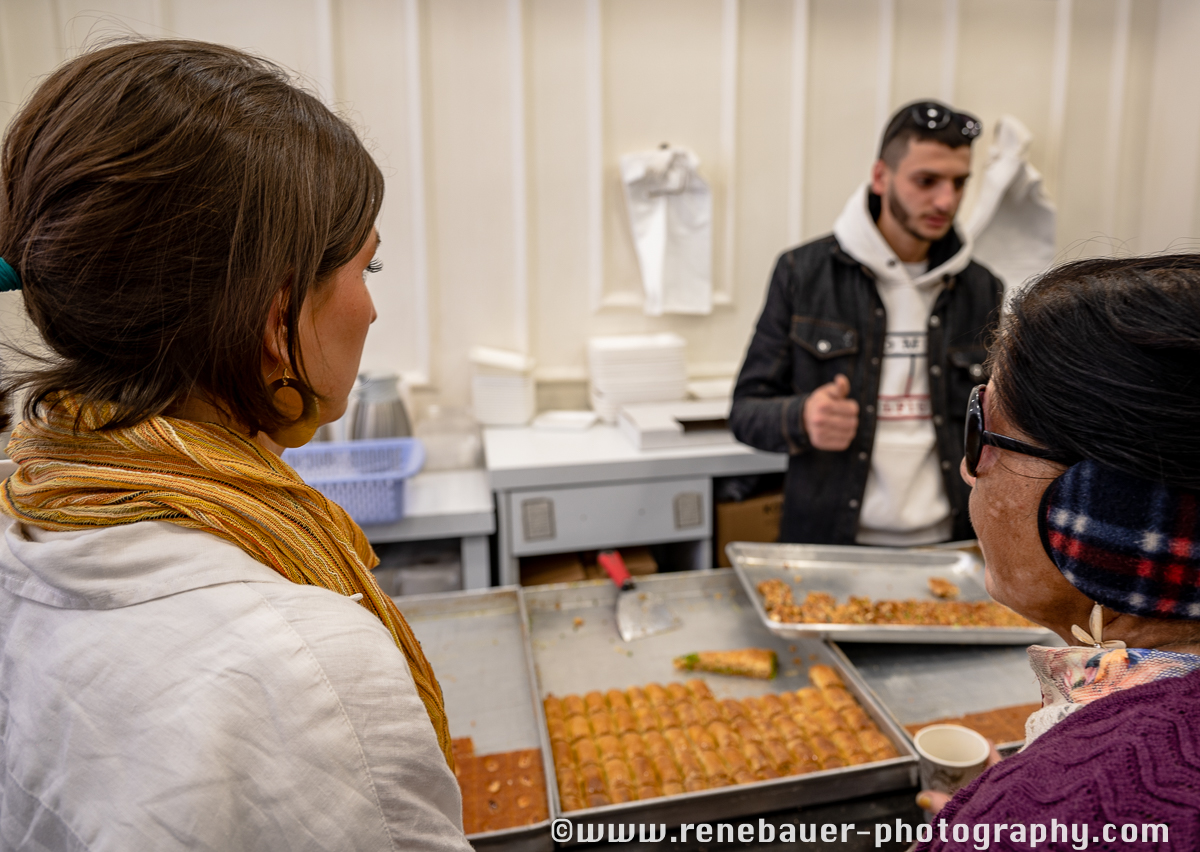
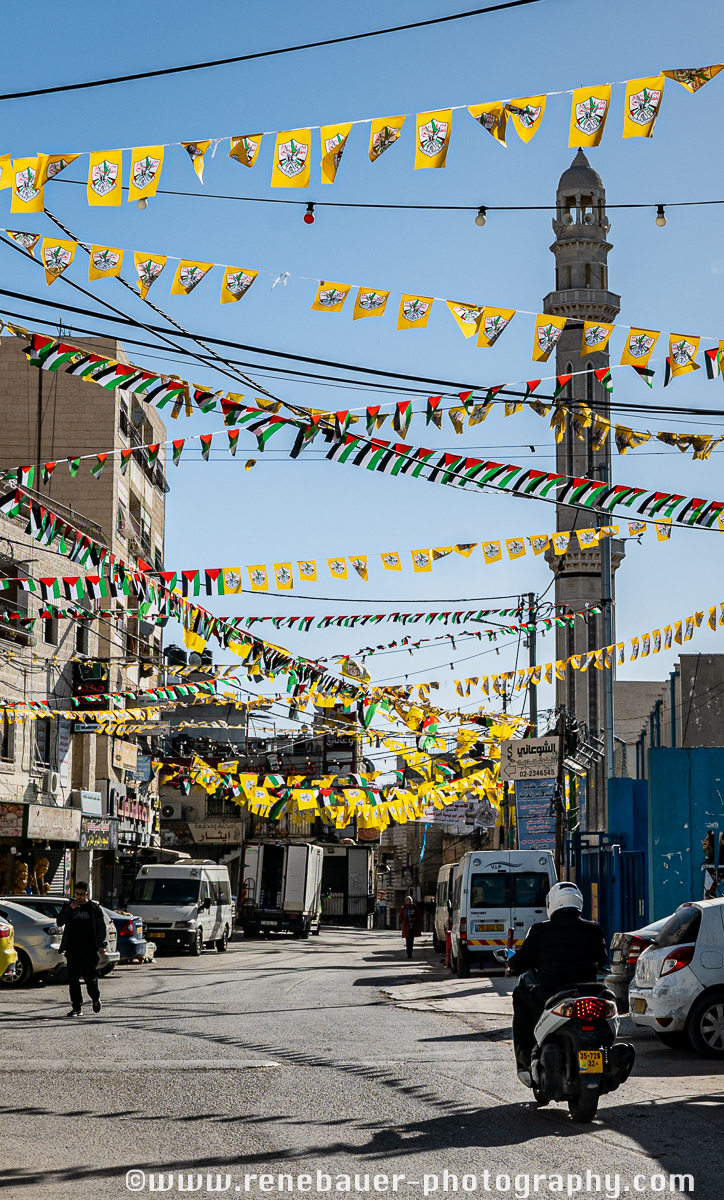
It was the easiest way to book a tour from Jerusalem. Fortunately the tour guide was a Palestinian who joined the tour bus after the border. He arrived late at the meeting point and gave us already a first idea about the life here. Despite he startet his ride of around 50km to Ramallah two hours earlier, he got stocked at a check-point, where they blocked the road for unknown reasons. We, the tourists, had to wait on a small coffee shop. It gave me the chance to go around the streets to collect first impressions of Ramallah.

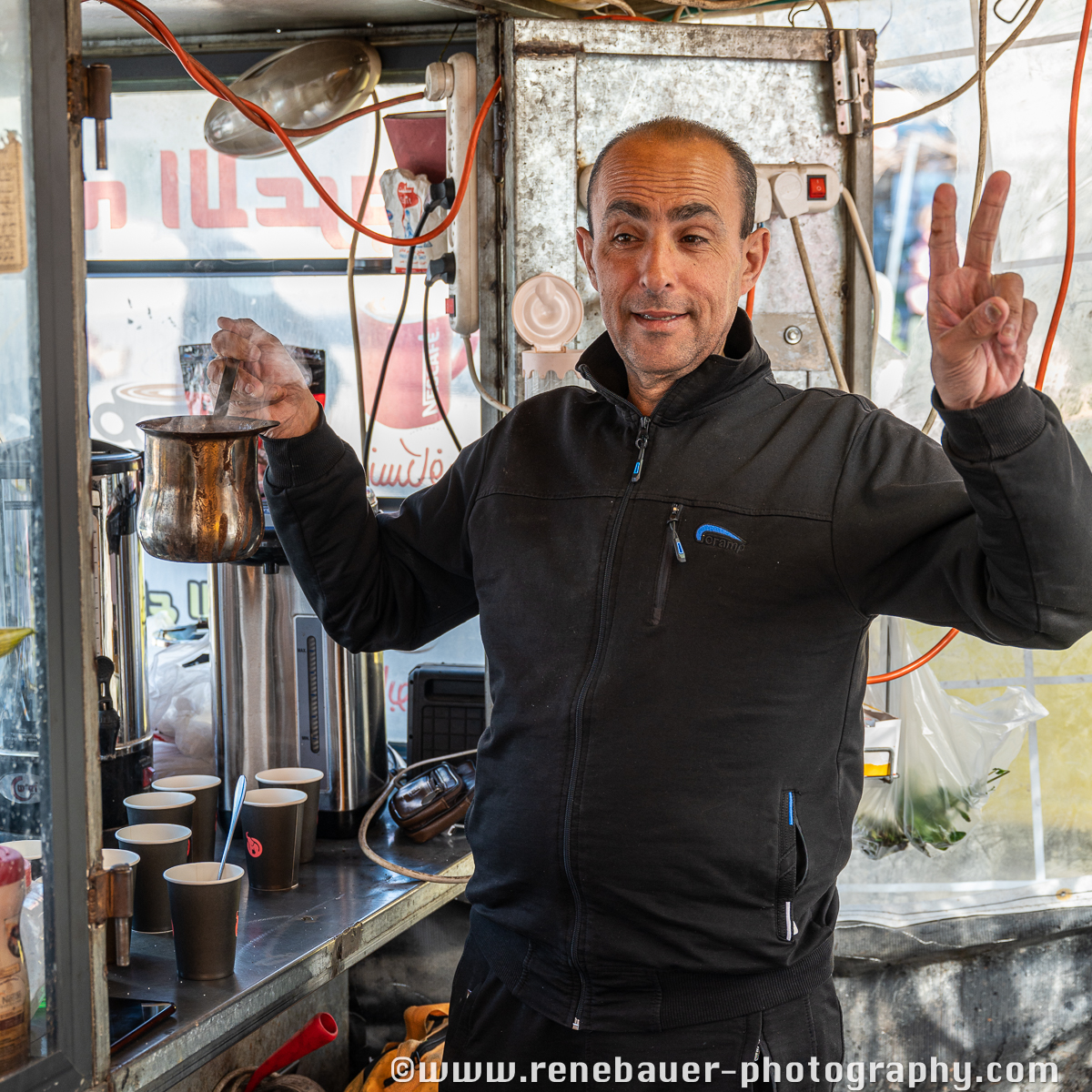
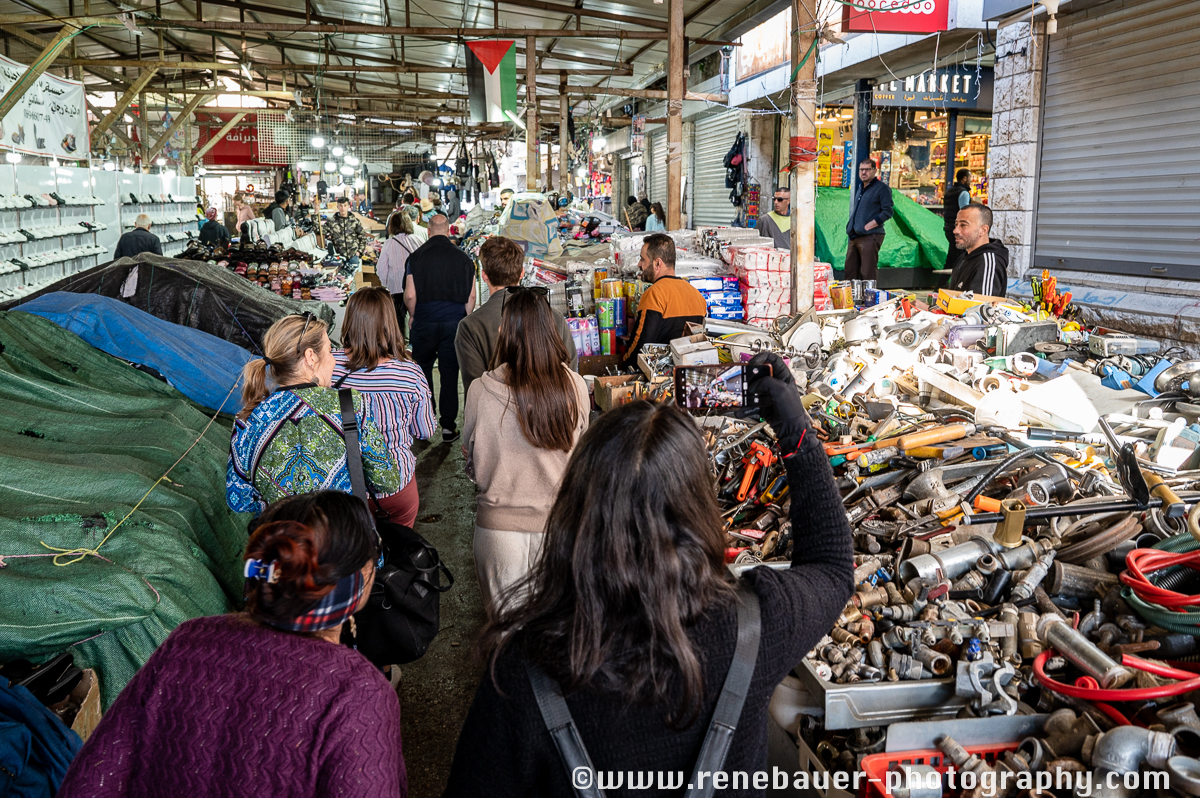
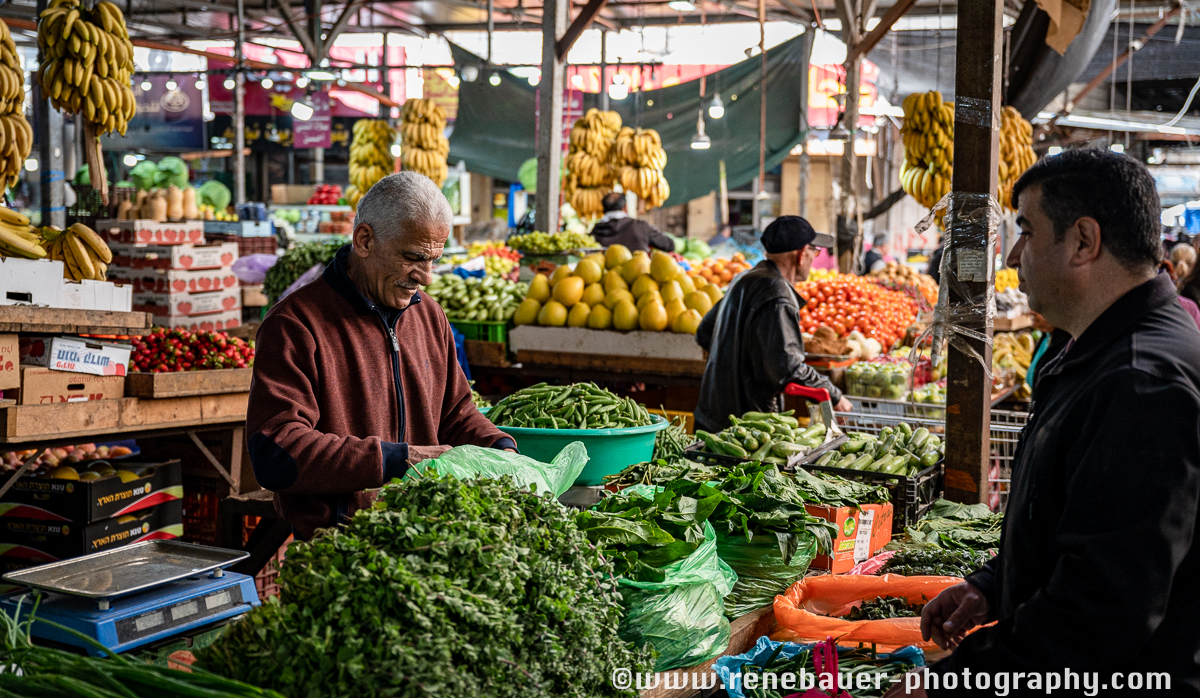
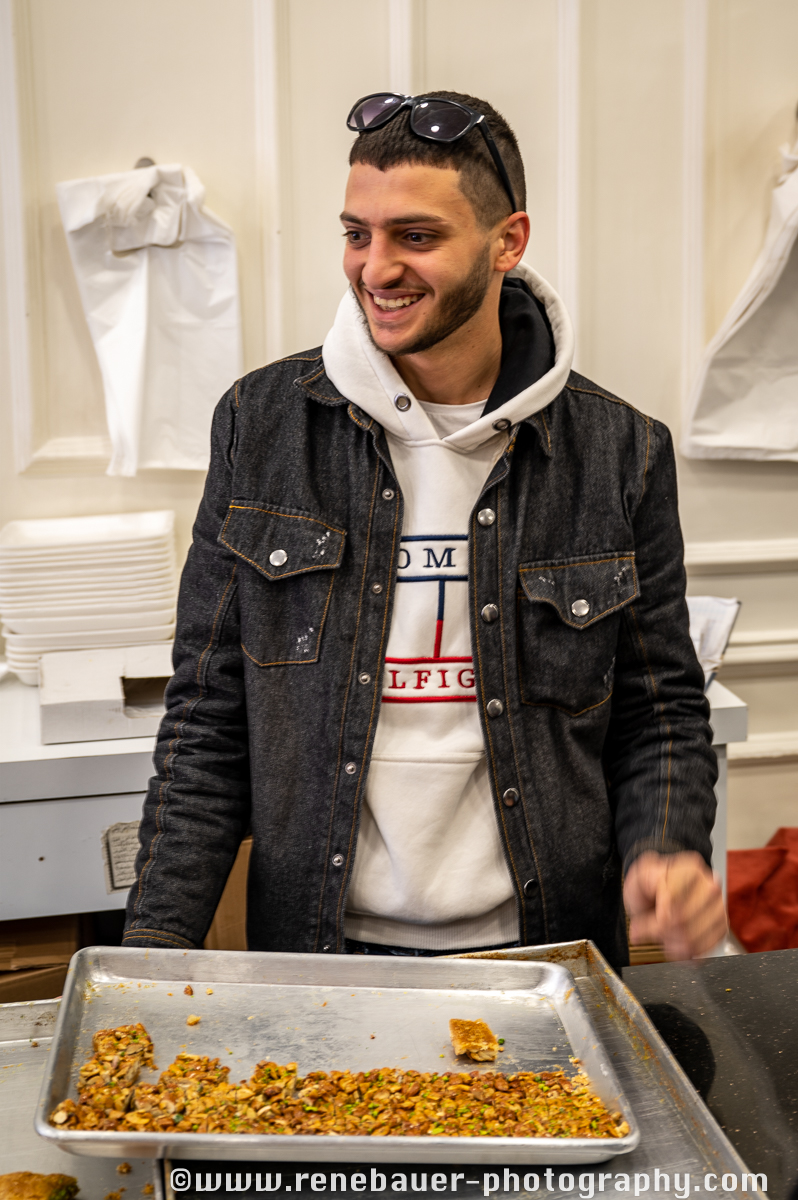
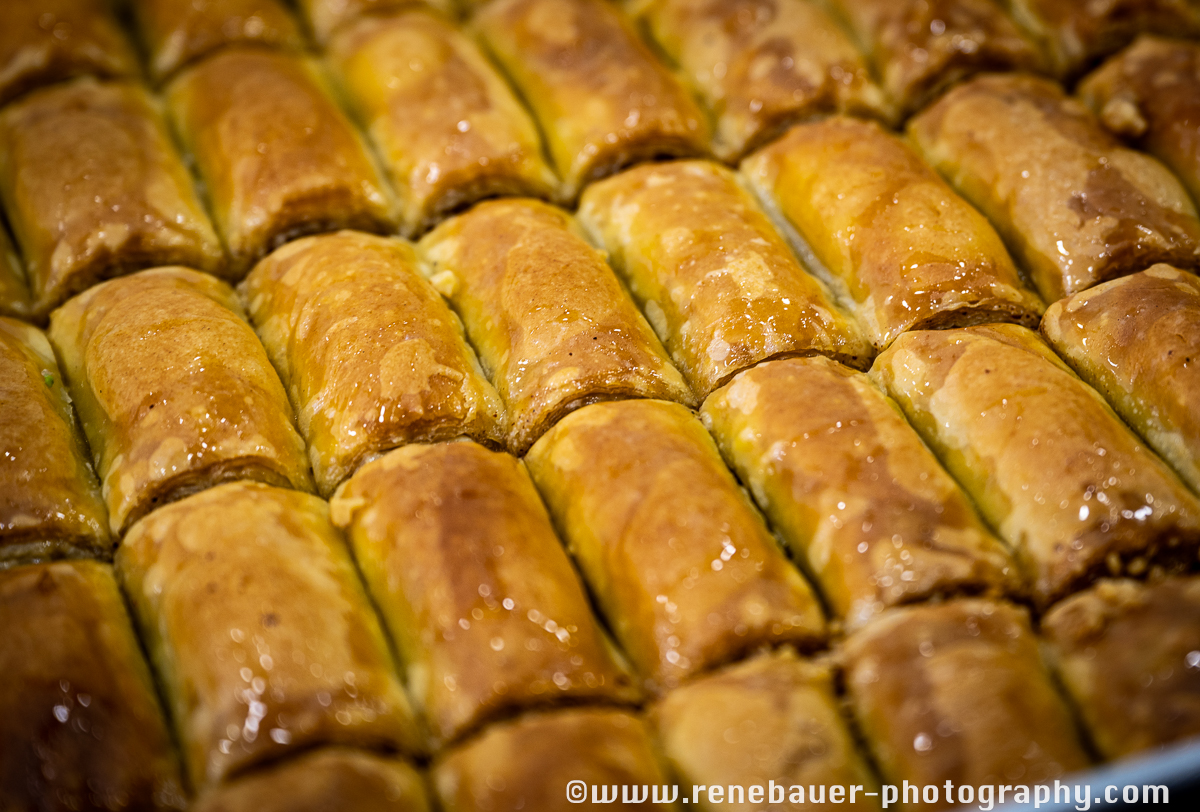
Market places are always nice to get in touch with the locals. That was also the first stop in Ramallah. I was surprised about the openness of the people and how friendly they were. They gave me a wink, showed me their display or just smiled friendly. The same in the streets, where sellers were keen to explain what goods, spices or beverages they sell. Most attention caught the guy who sold iced tea in a very effective way.

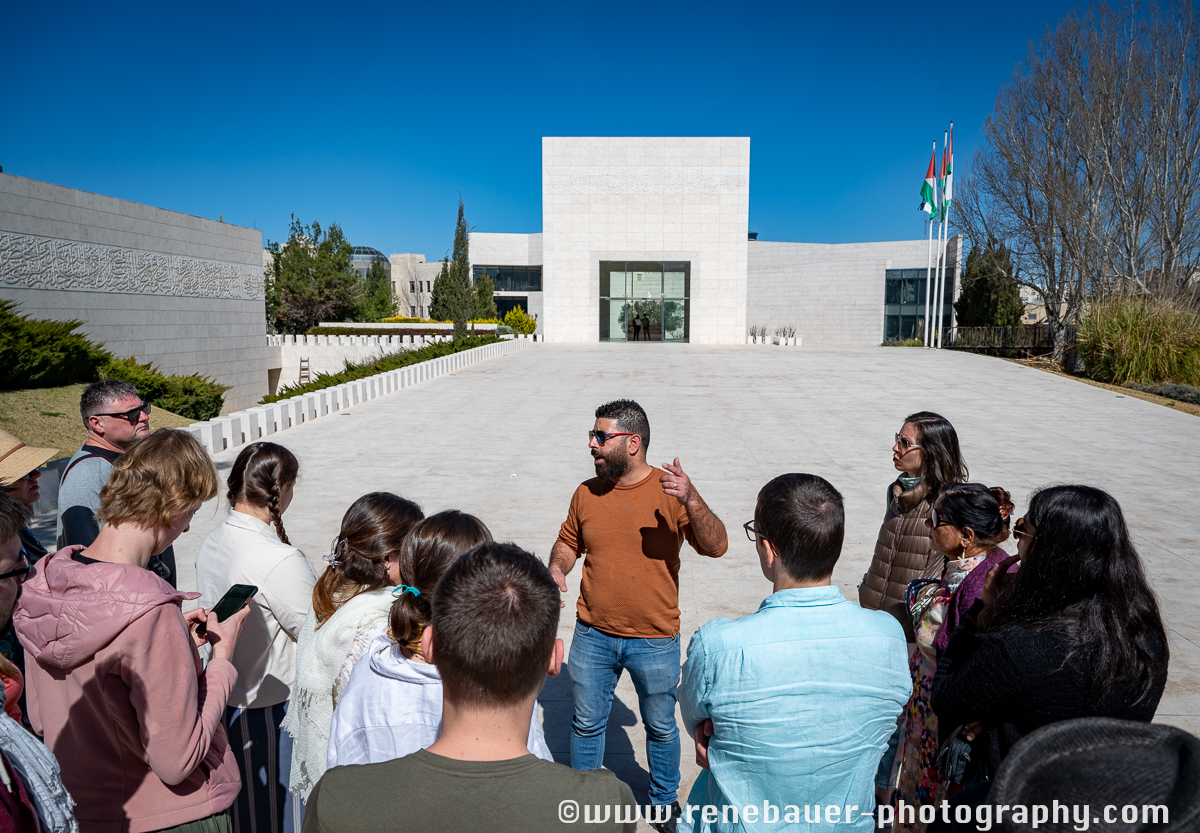
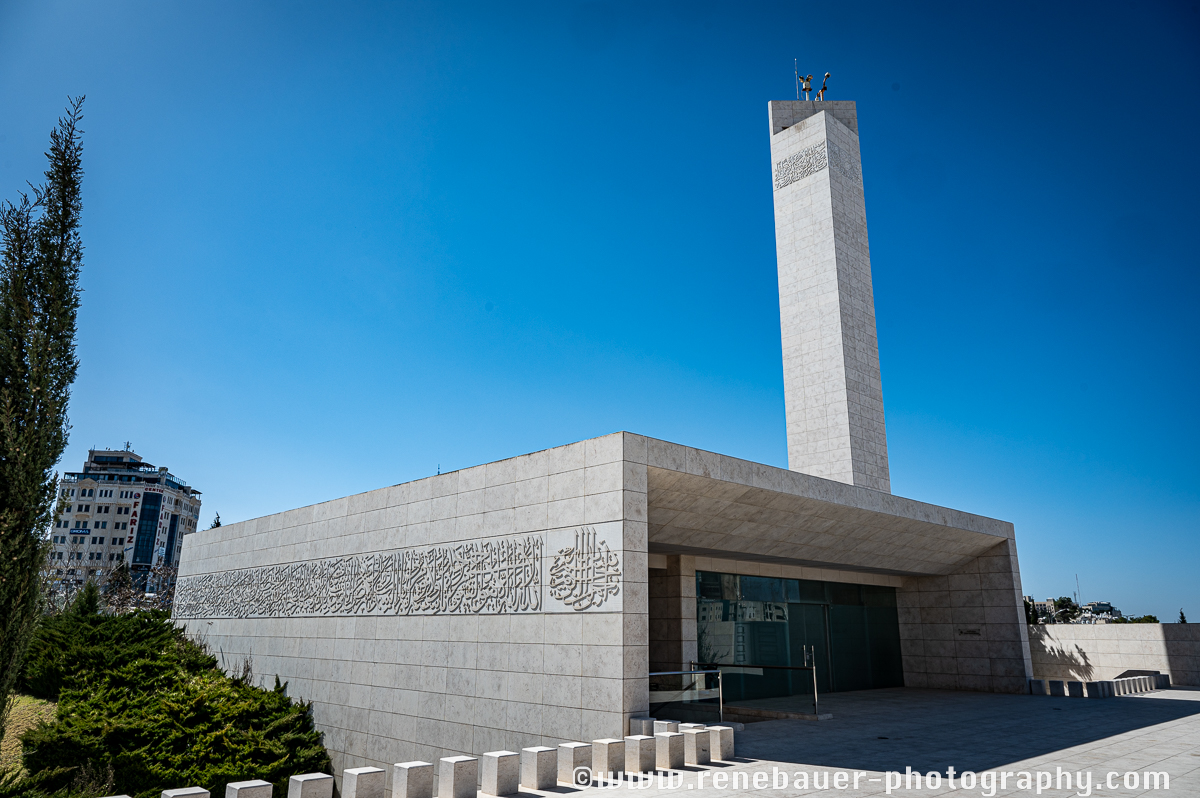
Once in Ramallah, we also had a short visit to the Arafat Mausoleum. Although Yasser Arafat, the first president of the Palestinian National Authority, wanted to be buried near the Al-Aqsa mosque in Jerusalem, the Israeli government didn’t allow it. To his honor , the nobel peace prize holder at least got his mausoleum in Ramallah with lots of symbolics.

Israel – Holy Places In Jerusalem (2/2)

There was much more to see in this holy city. Most obvious the Dome of the Rock on top of the temple plateau.

The area is bigger than it seemed from below. Tina, the tour guide, lead us over a wooden ramp along the western wall to the plateau near Al-Aqsa mosque. From there the view opened to the famous Dome of the Rock.

Around the plateau are many trees and park like areas where family gathering for a picnic and kids playing happily. But in the middle of all stands raised in the middle the Dome of the Rock with shiny, golden Dome.

To my surprise a group of orthodox Jews appeared on the spot. Actually it’s not allowed to Jews to come near to the holy of holies before the „new temple“ is erected. Tina explains us, it’s allowed to walk along the top of the wall of the plateau, but not getting to close to the centre. These groups are always escorted from a bunch of Israeli police for protection, but also from muslim watchmen, who not allow them to get to close on their holy buildings.

The last stop was on the Church of the Holy Sepulchre. That place where Jesus supposed to be crucified, buried and resurrected from the tomb. Not less than six different Christian churches claiming the right to control that spot. The Roman Catholic, Greek Orthodox, Armenian Apostolic, Coptic, Syriac and Ethiopian Orthodox. Over the centuries they fight about the right to be holier than other ones, until it came to an agreement in 1757, so called Status Quo, which says, there can be changed or removed only with the agreement of all the other five churches.

This leads to very disturbing stories, as the so-called immovable ladder. A simple, wooden ladder at one of the windows on the Armenian sector, which is at same spot since 1728 and can’t be removed because of the Status Quo.

Once inside the Church of the Holy Sepulchre, there are many rooms, halls and passages between the different sections and churches inside. Tania, our guide, explained a lot of the history, legends and rituals of each sector. But i can’t stop wondering and observing the lot of pilgrims coming from all over the world, kneeling in front of a certain rock, touching a stone board in prayers or kissing an image of a saint.