
Actually belongs the Golan Heights still to Syria. Since the occupation from Israel in the „Six-Day War“ it was never recognized internationally as part of Israel. But due its strategically importance, the latter never gave it back.
Despite the politically situation, the Golan Heights are known for its beautiful landscape and wonderful views.
Frankly, i’ve been too curious for both reasons. How it looks there, and is any tension to feel or to see when i travel there.
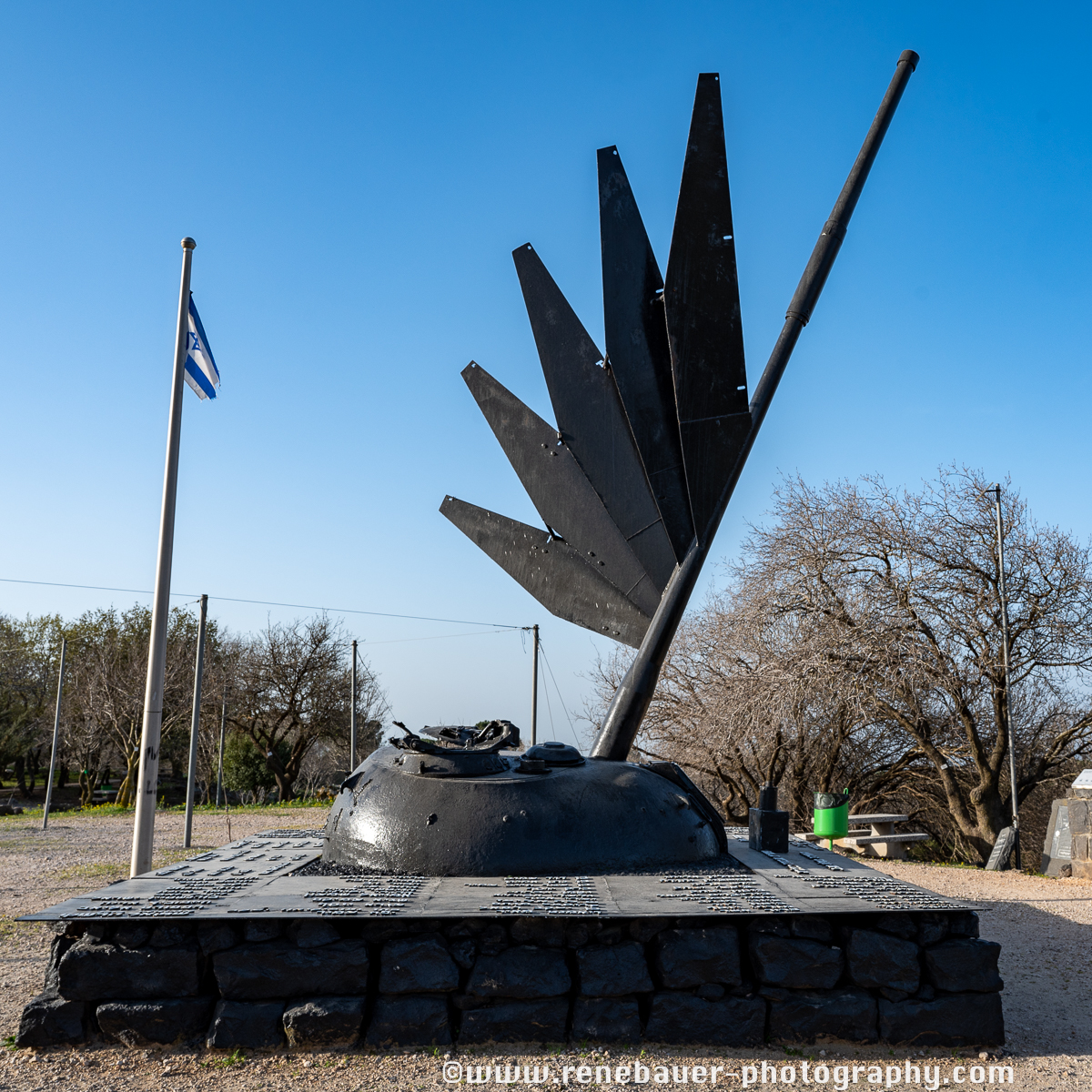
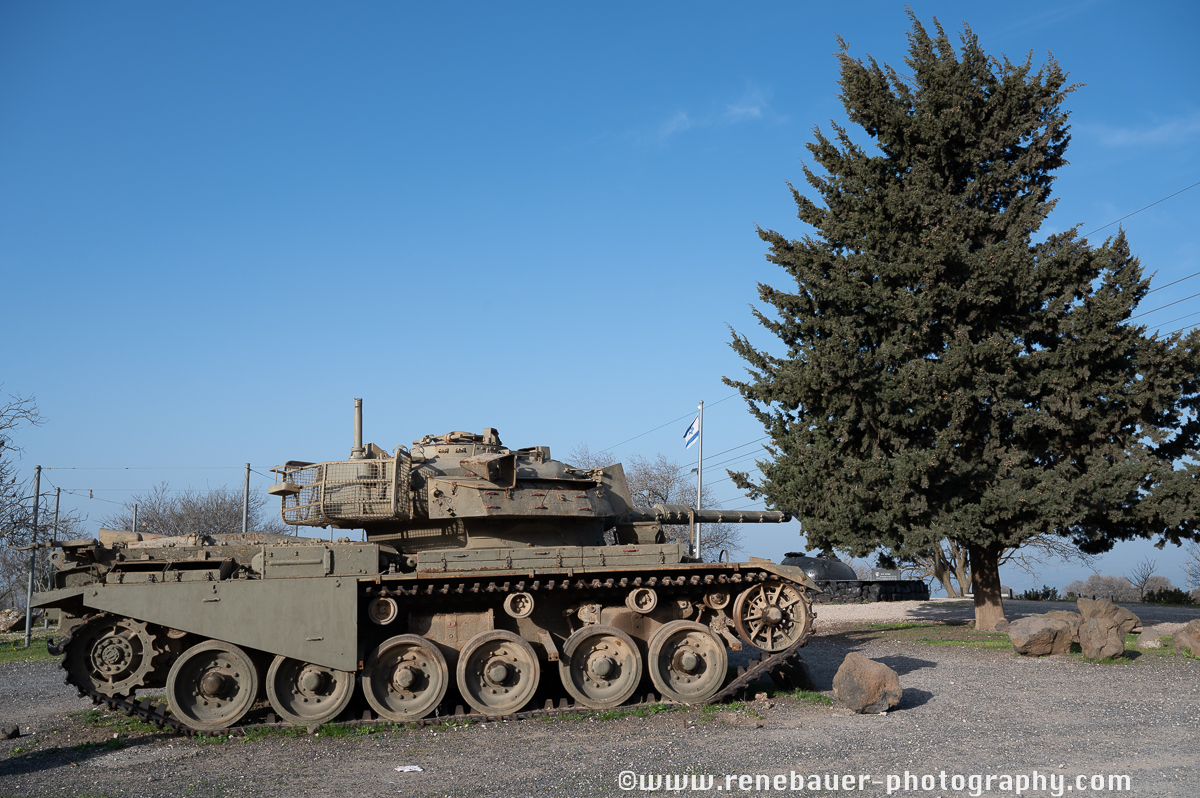
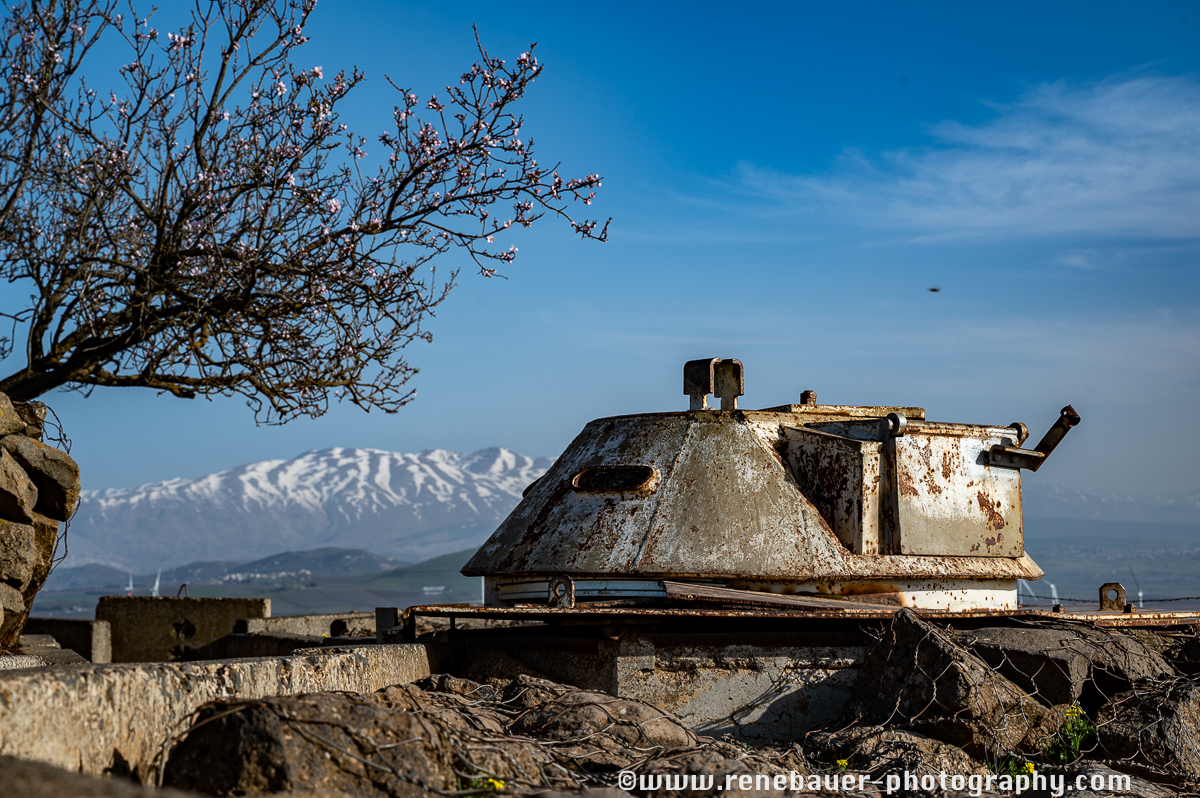
I started very early in the morning from the coast and headed straight to a point, which was marked in my map as memorial and picnic spot in the heights. An old tank was displayed there and some boards telling the stories of the battle in the ‚Six-Dax War‘.
I was honestly disappointed from the view there. Not only was it bit hazy, but also couldn’t see really far.
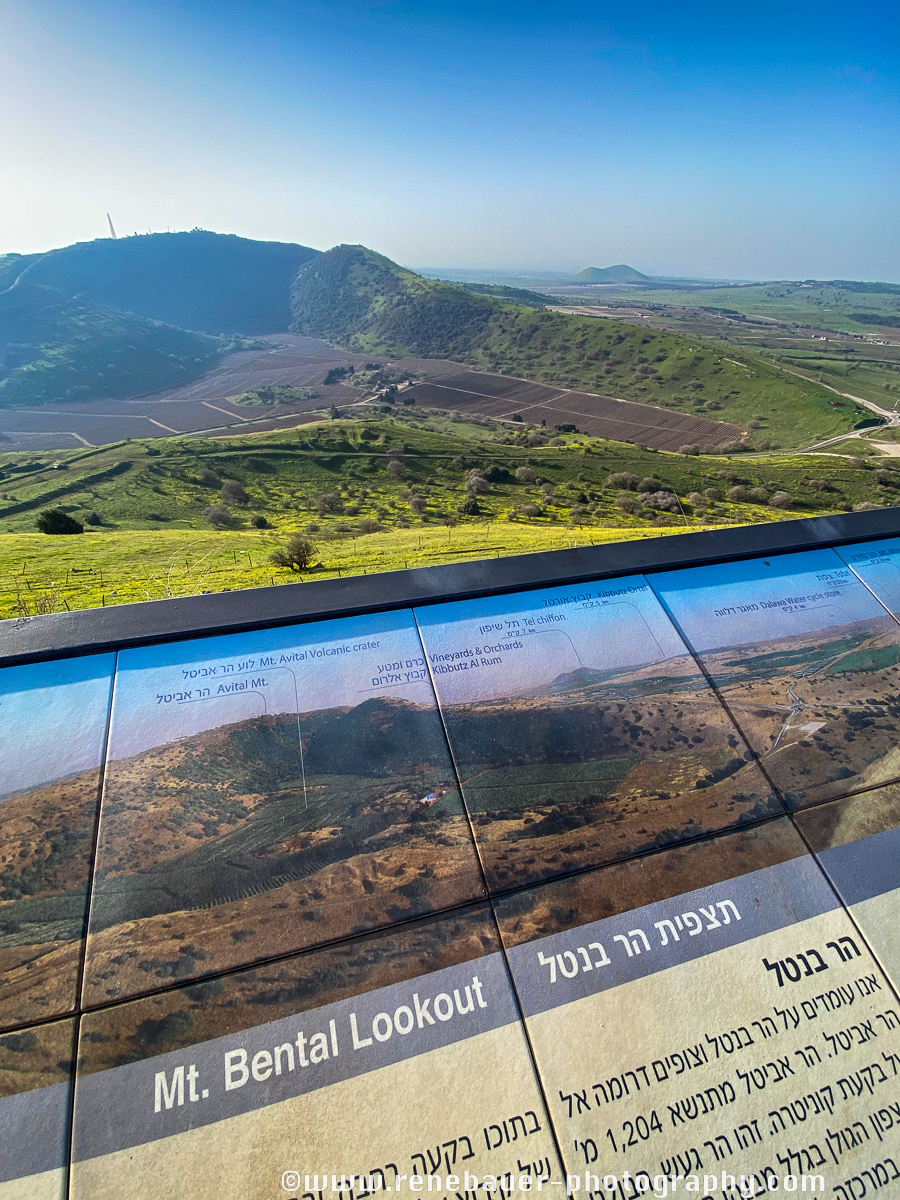
There was another mark on the map. Merom Golan, it says, was also a picnic spot or so. As i arrived there another ten minutes driving, it turned out as holiday resort. I turned my car at the security gate. Just few hundreds meters back heads a steep, winding road to the top of Mt. Bental with a wonderful lookout westwards over rolling hills of Golan.
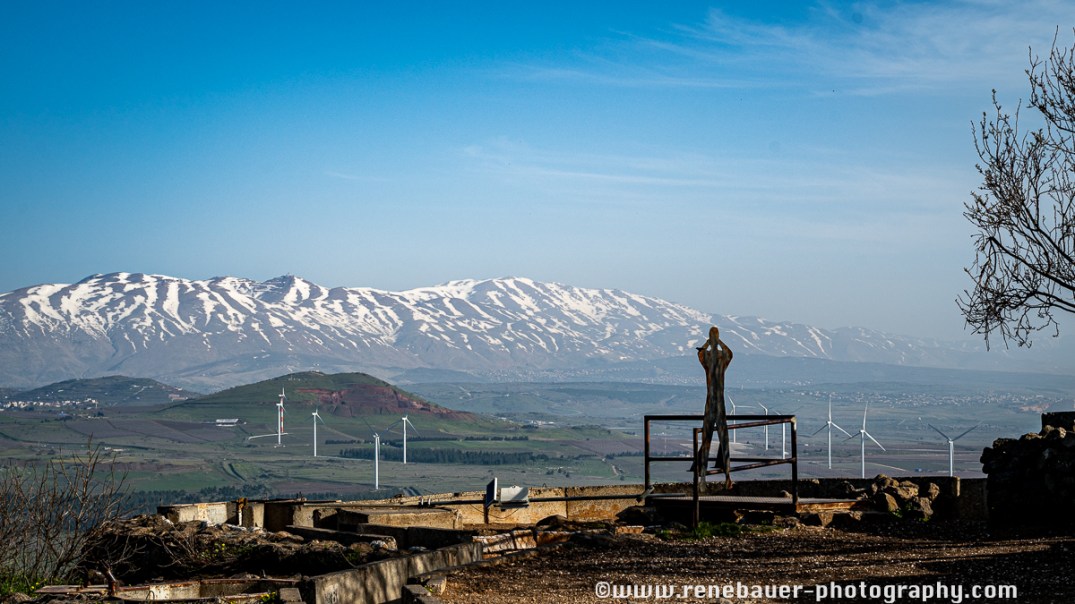
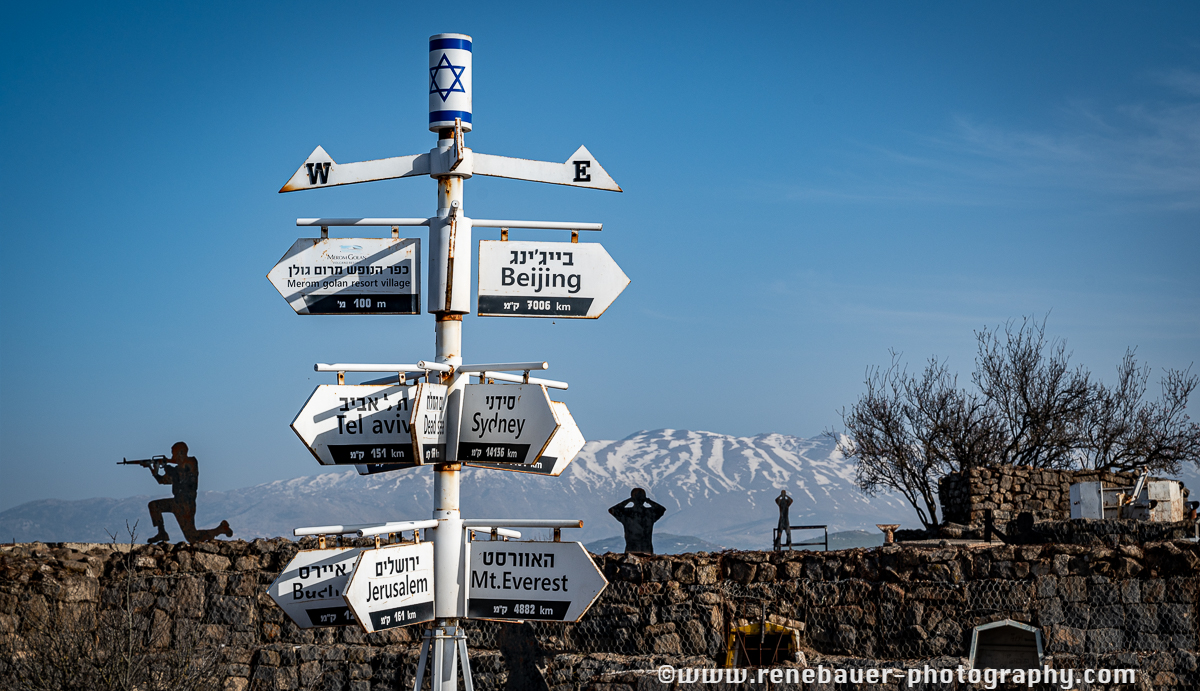
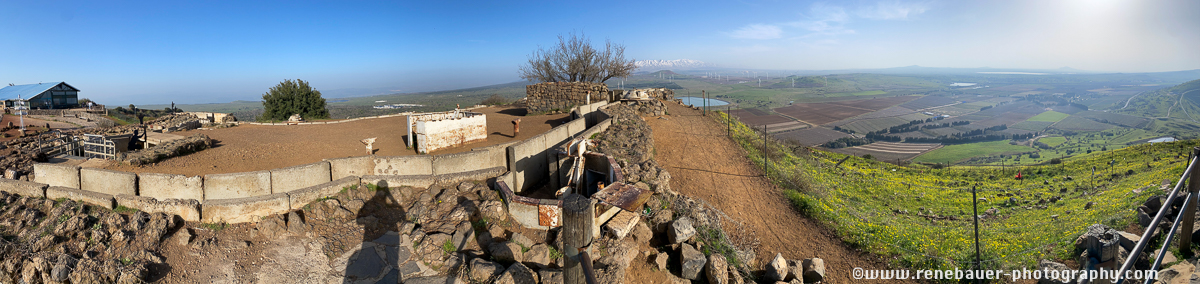
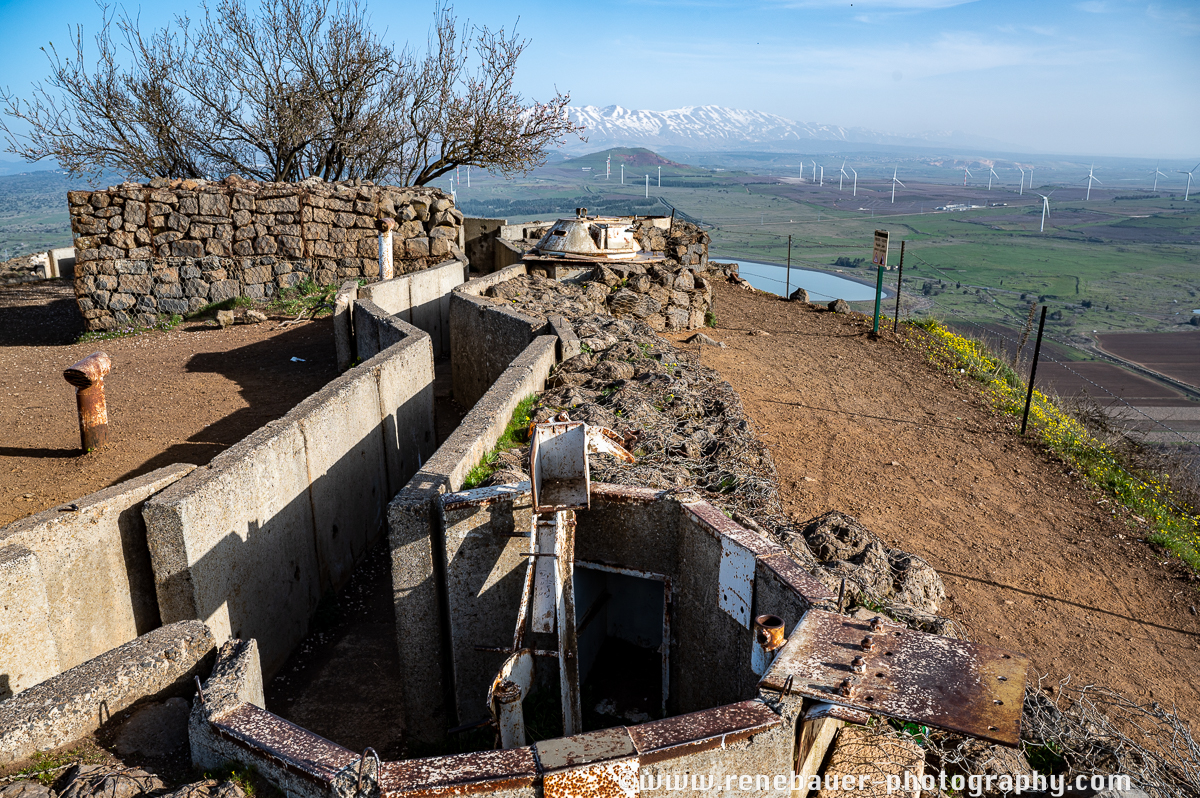
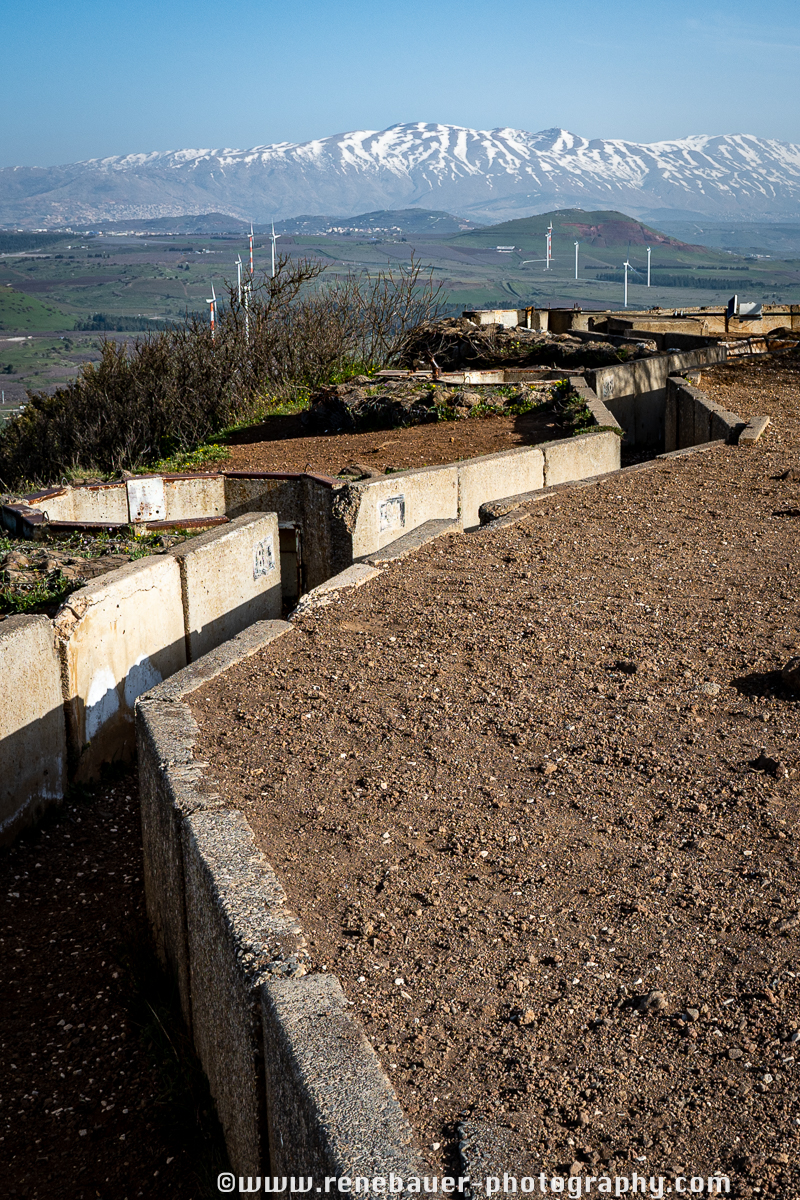
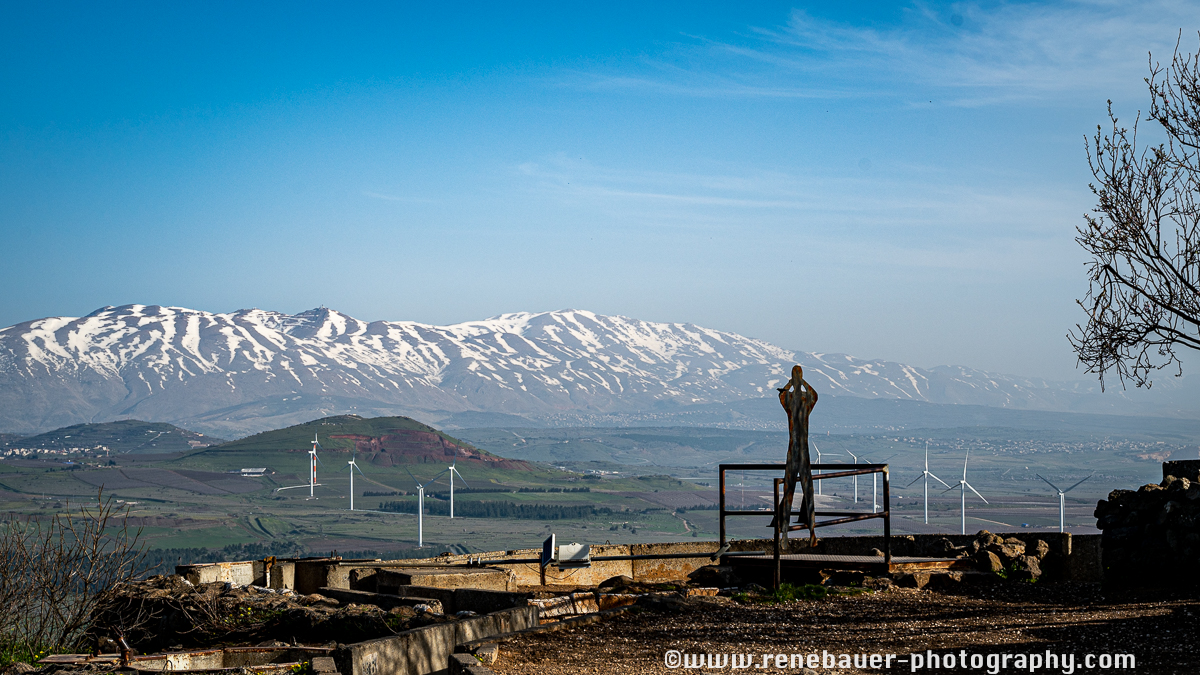
On the very top, the view opens to south and east. A big, green valley lies in front, with a few wind mills and small lakes. At the horizon raises big, snowcapped mountains. Mount Hermon, as i found out, is 2’814m asl and already at Libanon – Syria border.
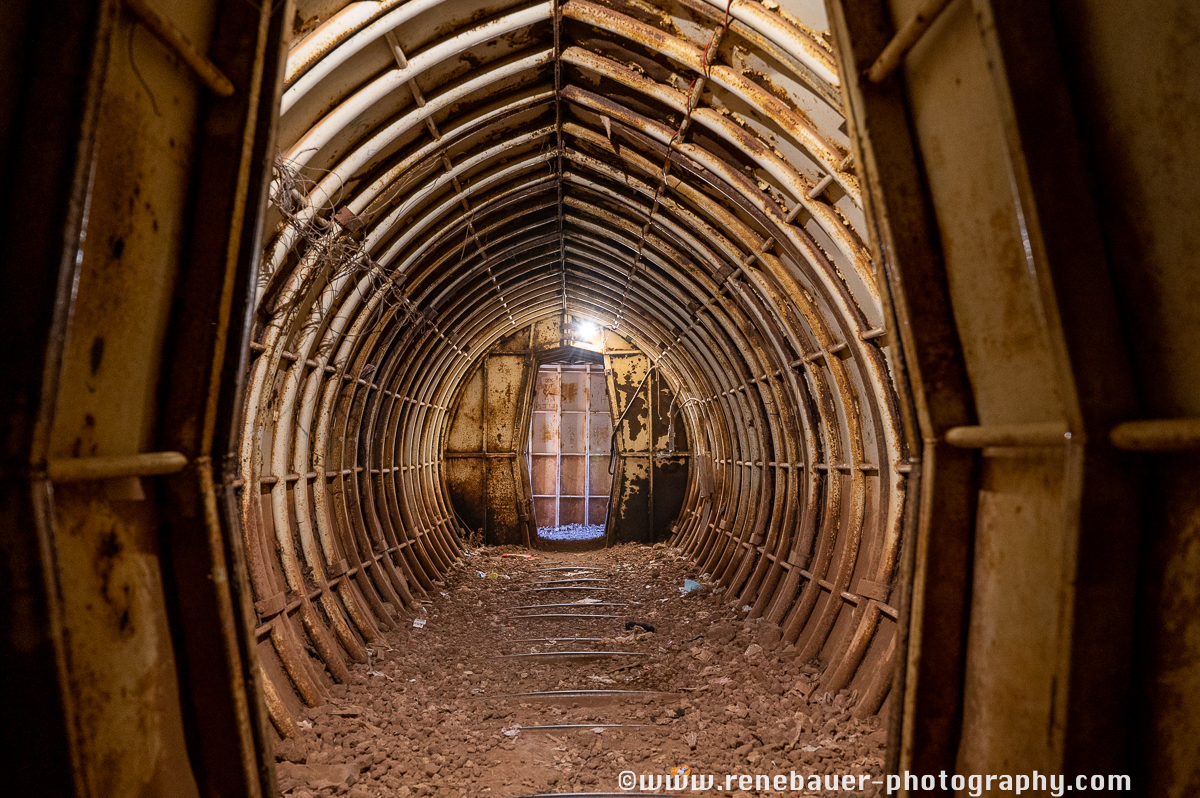
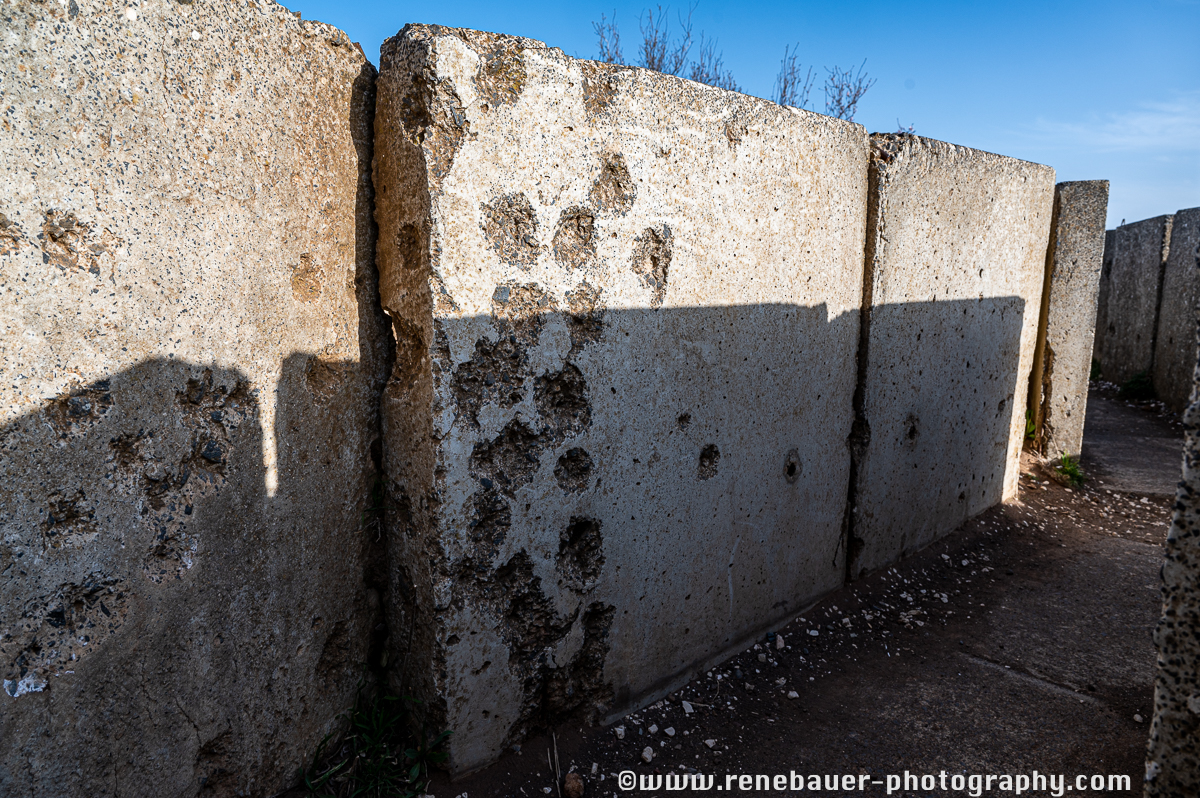
The peak of of Mt Bental is full of old bunkers, ditches and combat positions. It’s nowadays an open air museum, but no doubt, they would put it back into operation and reinforce it, whenever the situation get tense again.
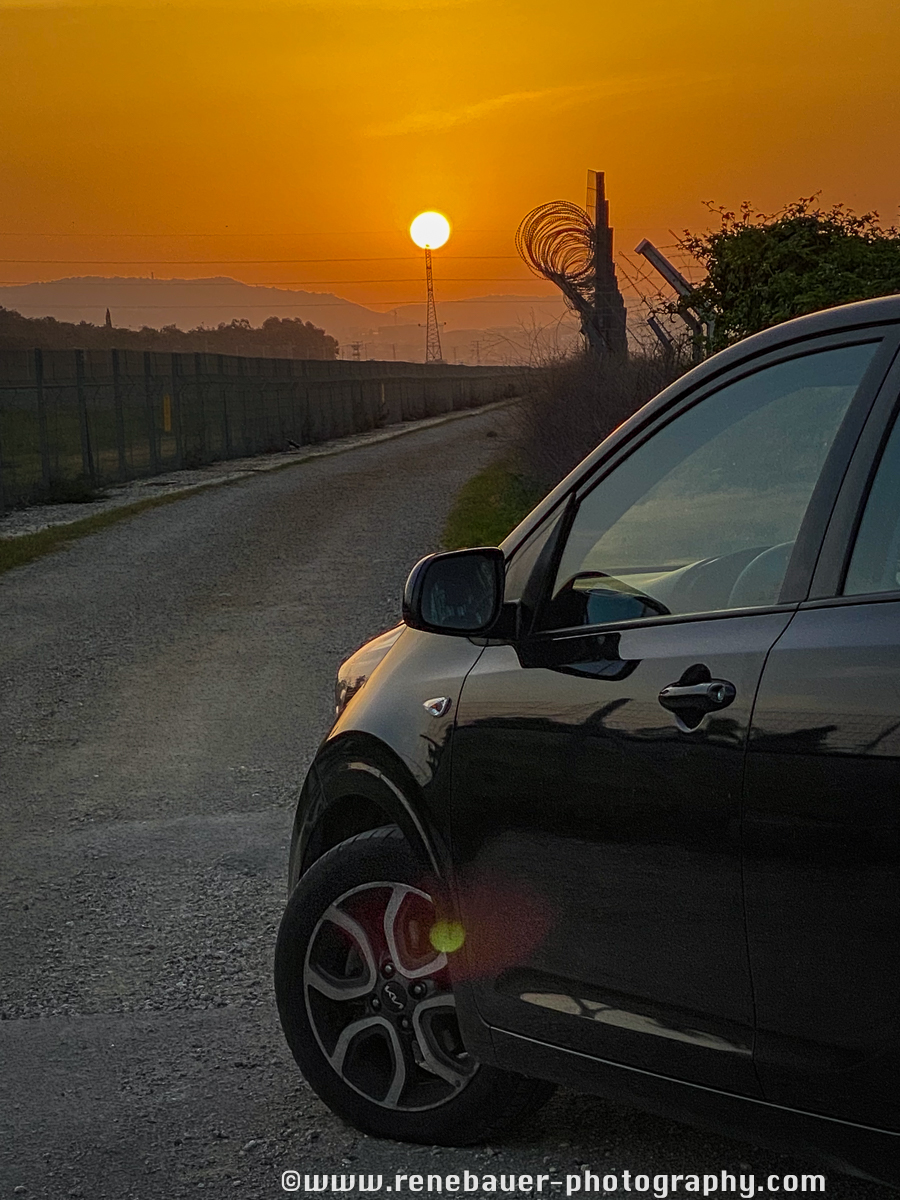
I decided to travel along the ‚buffer zone‘ to the Gamla nature park and have a short hike there. But on my way i got stopped by some military road block, who asked me to turn around, since that road is temporarily closed. As if to underline the soldiers words, a big bang from artillery echoes trough the air. They’re on a training or maneuver, always ready to strike again.
On my way back i saw big trucks parking, ready to take tanks to move them from one spot to another. I rather took a look back to the beautifully and peacefully mountains on the other side.






 rene bauer photography