
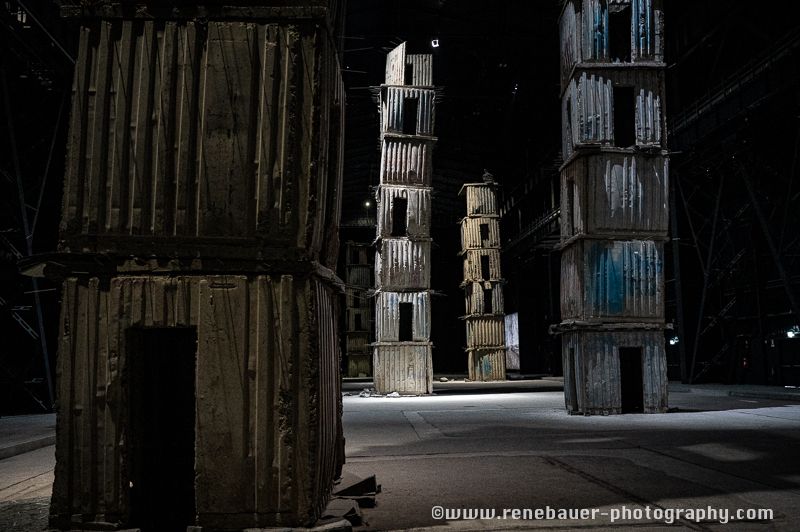
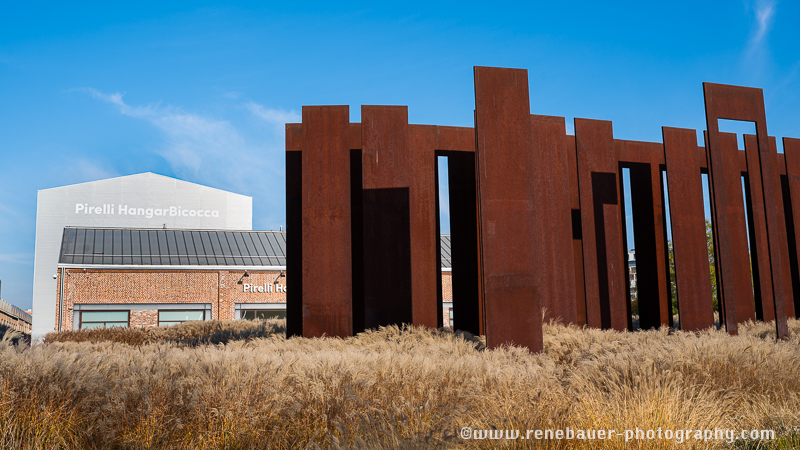
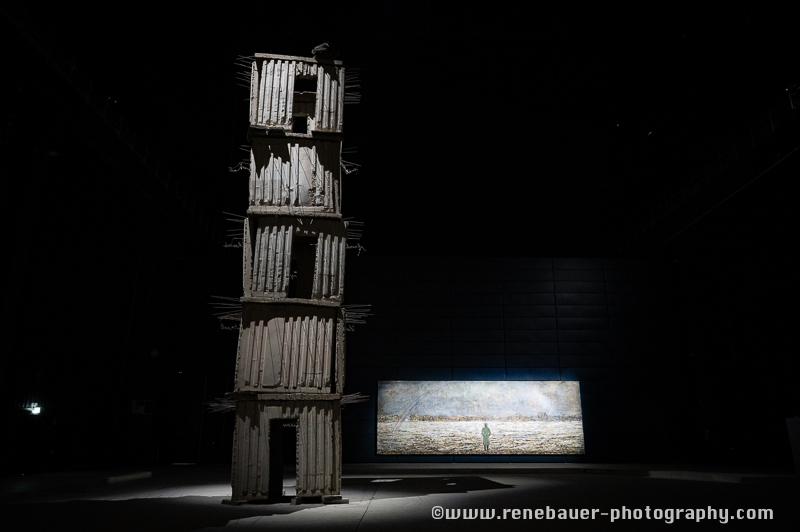
A while ago I saw pictures from the permanent installations from Anselm Kiefer, ‚The seven heavenly Palaces‘. It’s situated in the halls of Pirelli Hangar Bicocca, bit outside of the city of Milan. A visit was just a must for me.
As you probably know, I have an affinity for Africa, specially for South Africa.
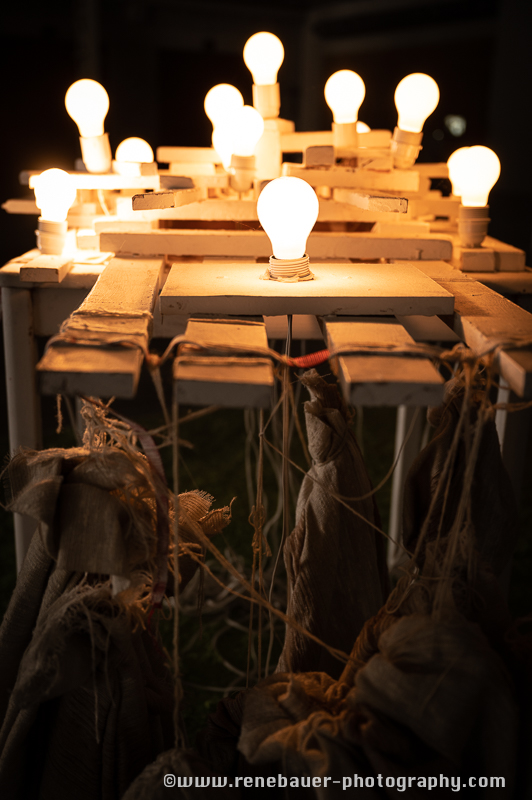
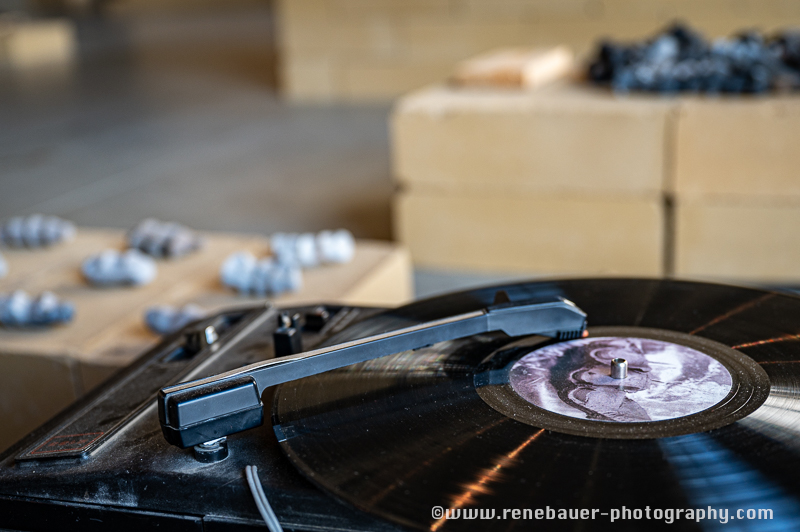
When I arrived the the hangars, I realized there’s also a temporary exhibition by Dineo Seshee Bopape. An artist and creator from Limpopo, South Africa.
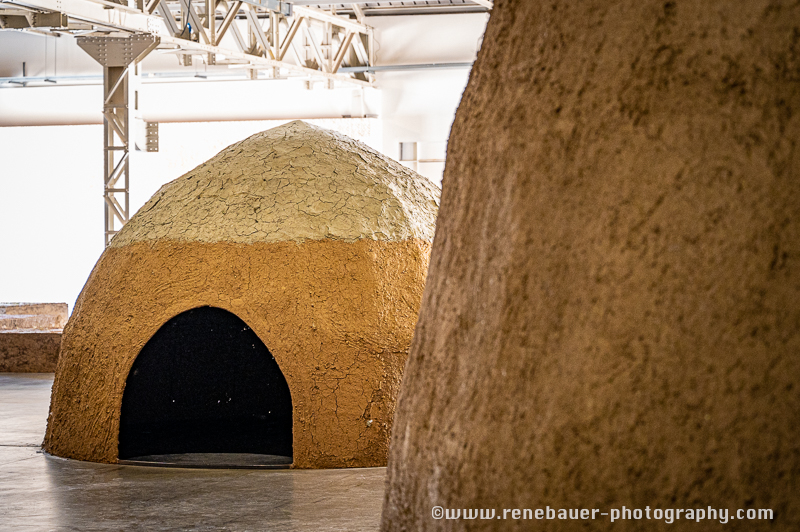
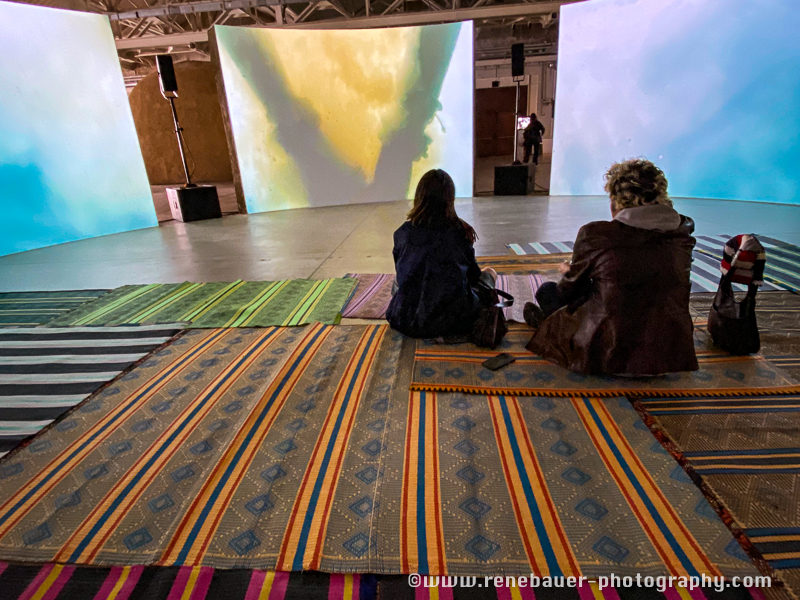
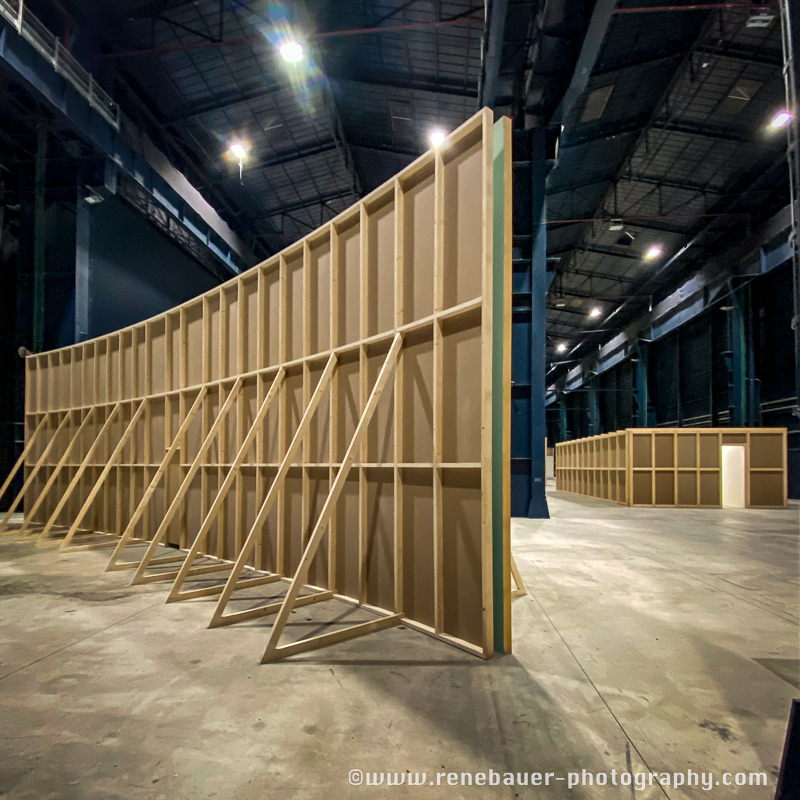
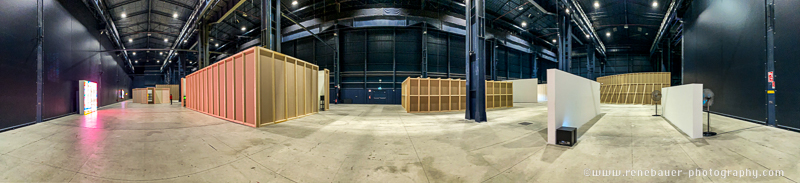
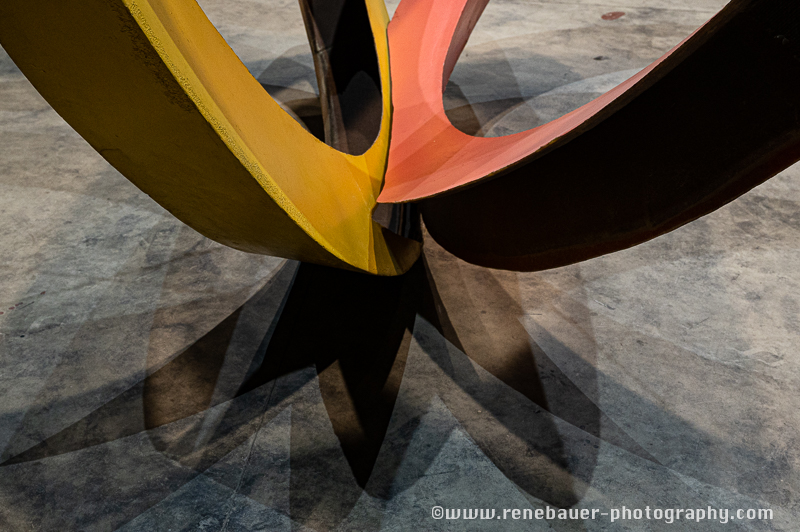
Her work was in the first hall I entered. Big round huts dominate the room. Aside from that, big platforms of earthen landscape with different structures are laid out. A big video installation leads your mind to the element of water. But an important part of her exhibition „Born in the first light of the morning [moswara’marapo]“ is against forgetting past wars.
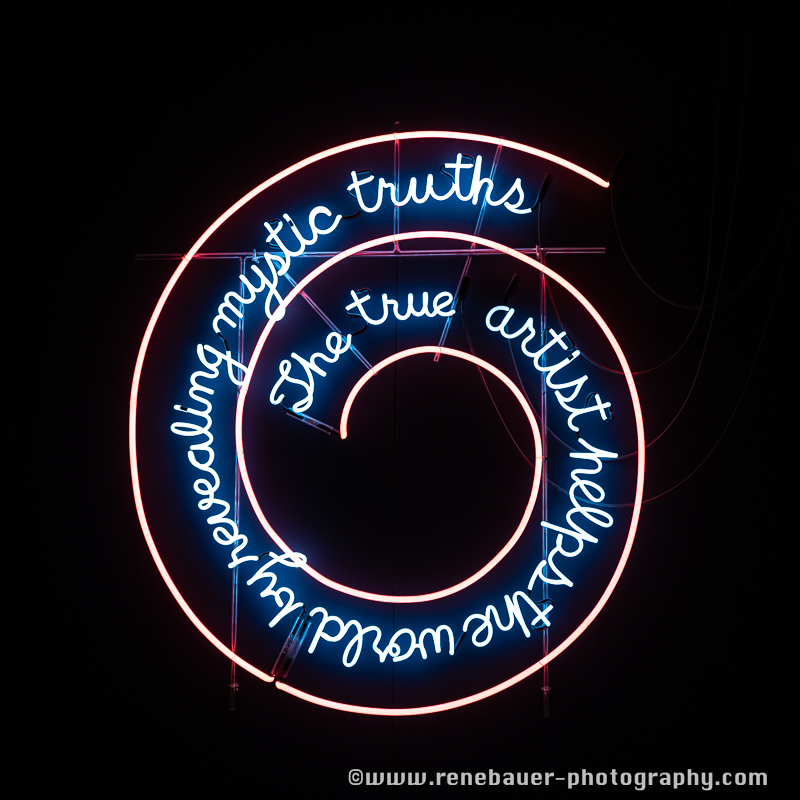
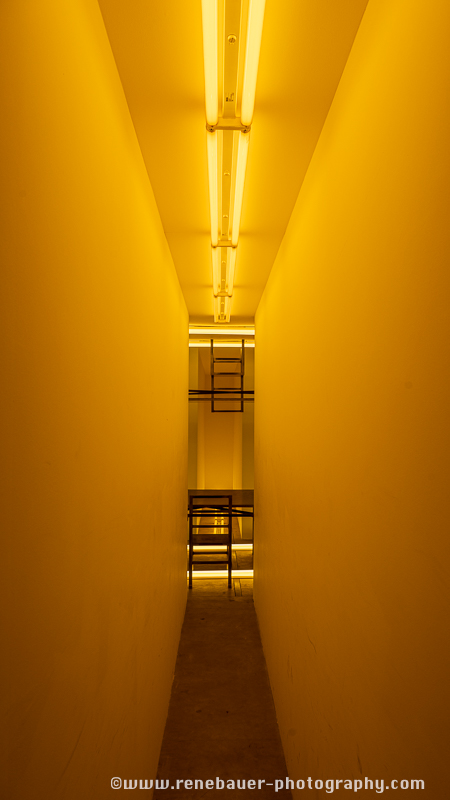
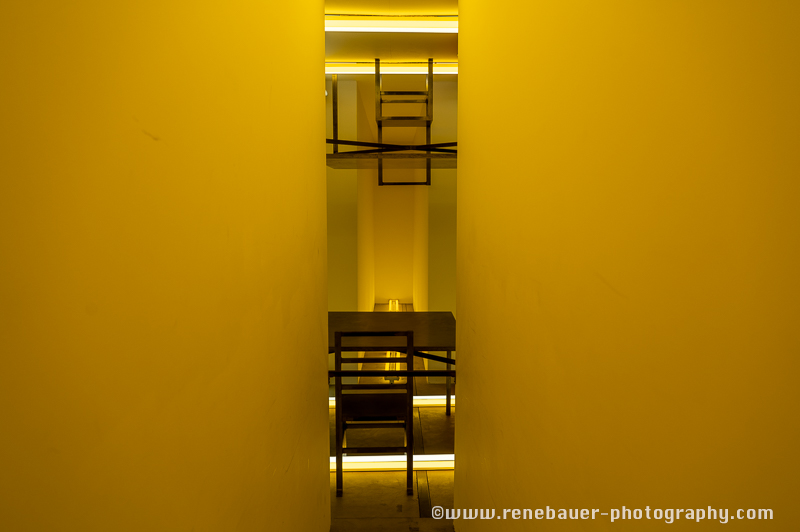
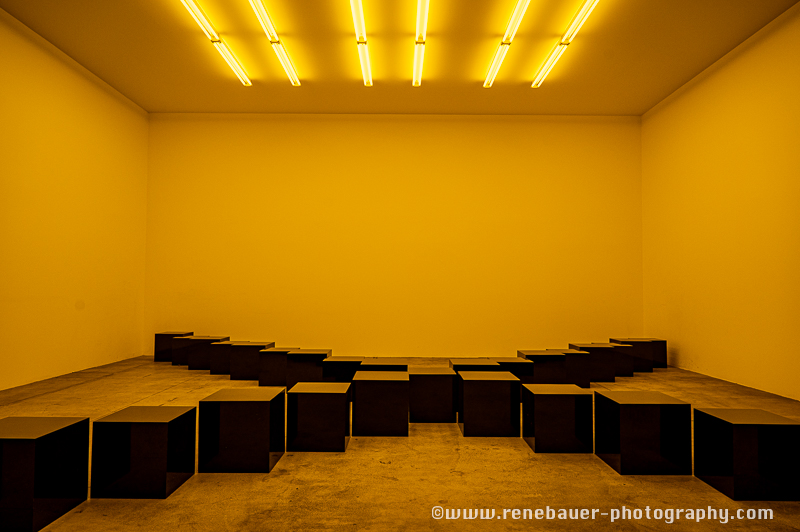
“Neons Corridors Rooms” by Bruce Nauman is all about narrow corridors, neon lights and the experience of space. It took awhile to enter new dimensions of seeing space differently. Luckily I was completely alone in these halls at times. It gives it an even bigger experiences, not to share the rooms with other visitors and enjoying the quietness and deep of the space on my own.
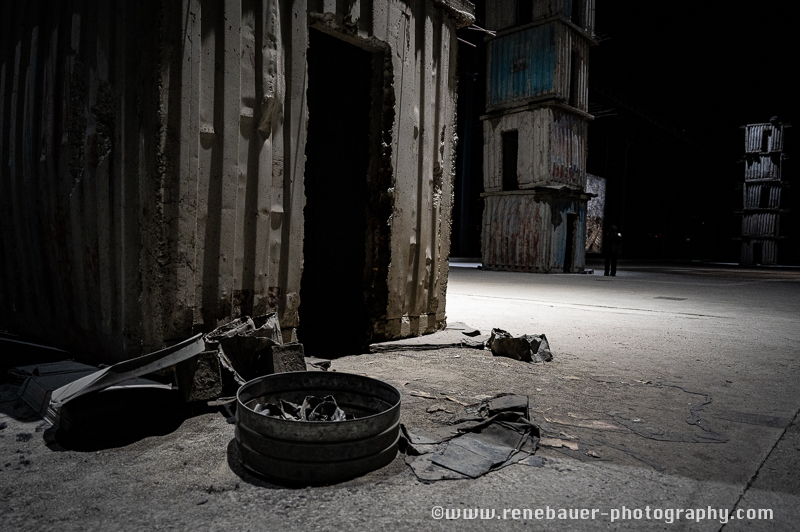
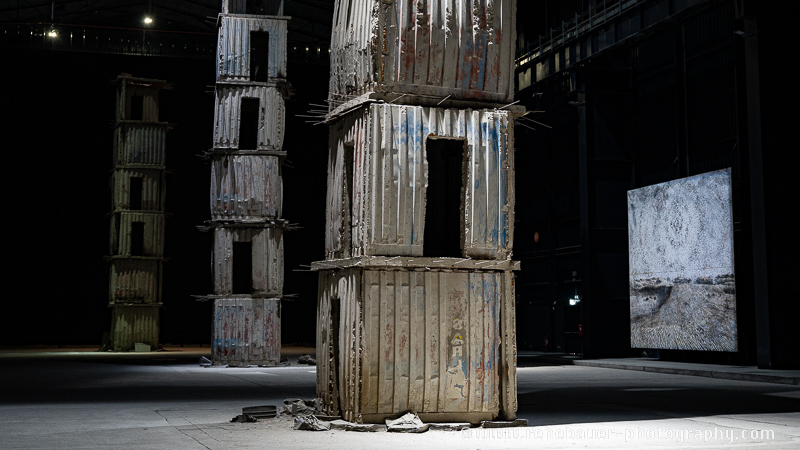
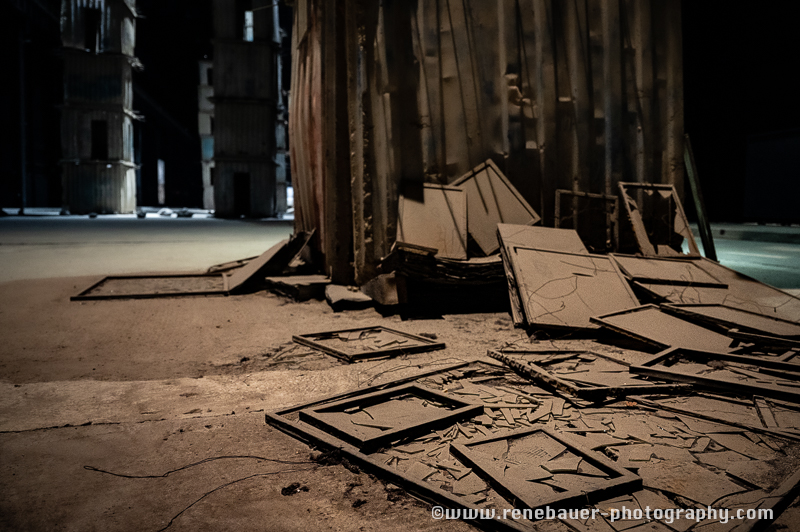
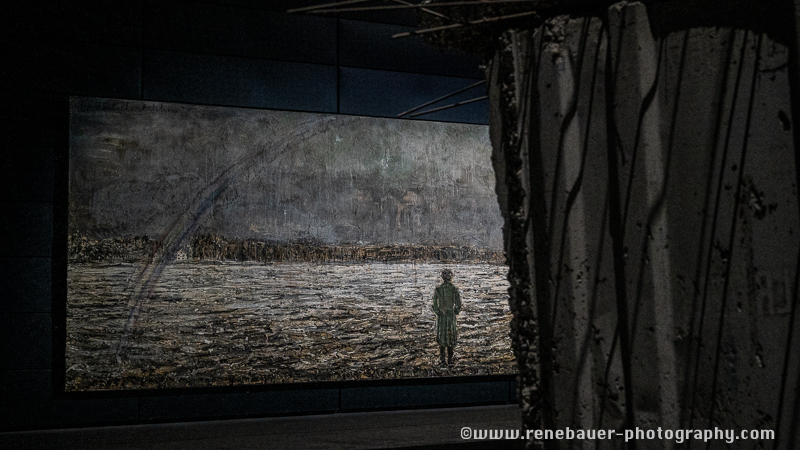
Behind a small entrance, covered by a black curtain, a deep space of blackness appears. Seven collumns of blocks raising to the black sky. At the distant walls are huge images of rough landscapes. If you look closer, the buildings seem to be instabil, shattered pieces laying around them, trashy debris scattered over the dark floor. A scene of an apocalypse.
I stand midst in this scenery, feeling little and overwhelmed. And lost.
There was just one more person in this hall. A young girl, walking around, staring at the shattered ‚palaces‘. It felt like to be transferred in another world, another dimension, where only few people survived a disaster and searching for hope and future between the ruins.
I’m deeply and truly impressed.







 rene bauer photography