Taiwan: At The Chiang Kai-Shek Memorial Hall

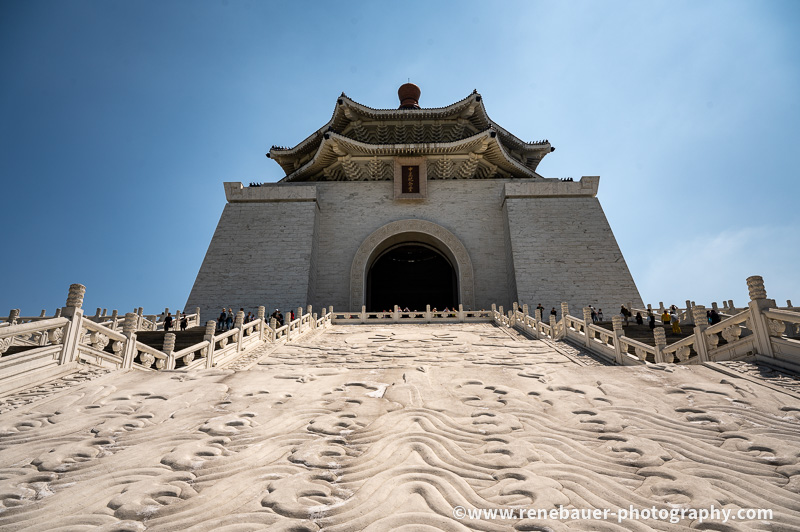
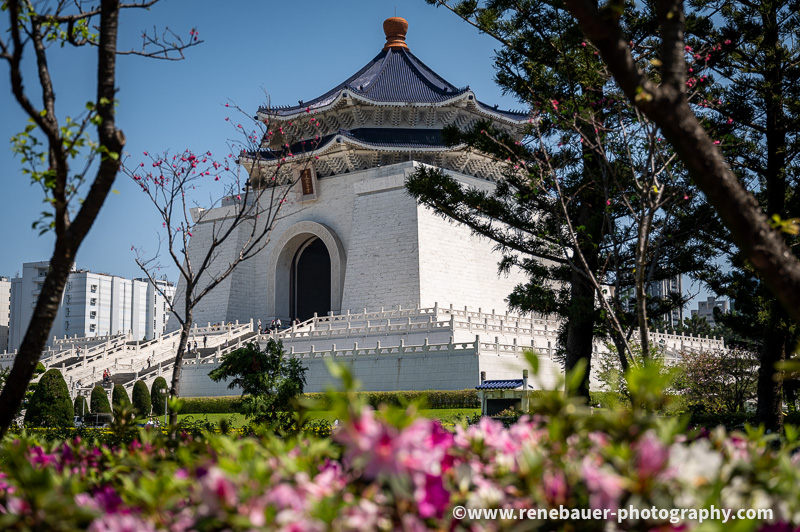
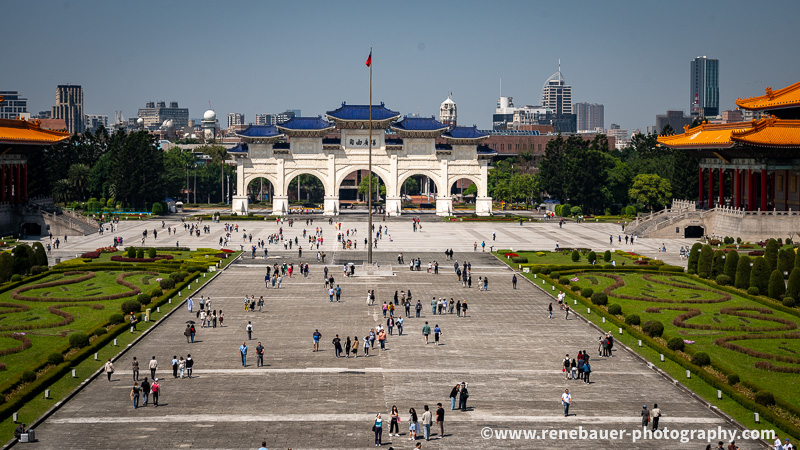
Modern Taiwan was founded by the former president and revolutionary leader Chiang Kai-Shek, after Chinese civil war in 1949. It is only understandable that the people wanted to dedicate a special memorial place to him. So, the Chiang Kai-Shek Memorial Hall was build. This huge complex was build between 1976 and 1980.

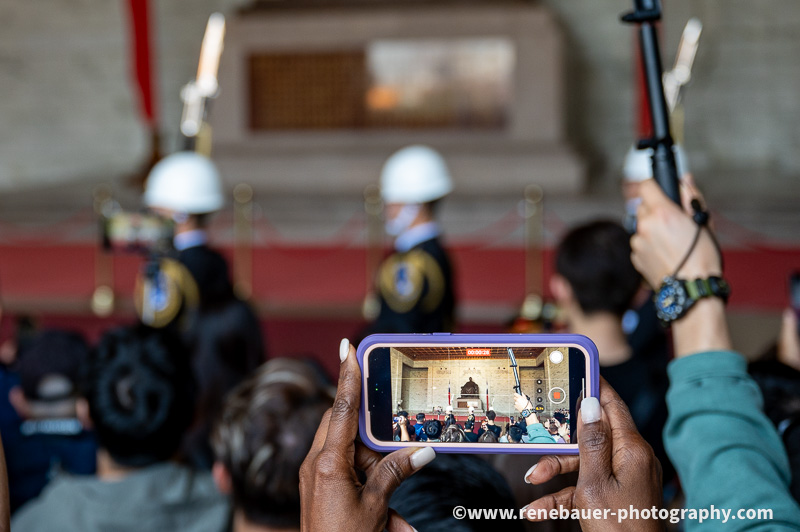
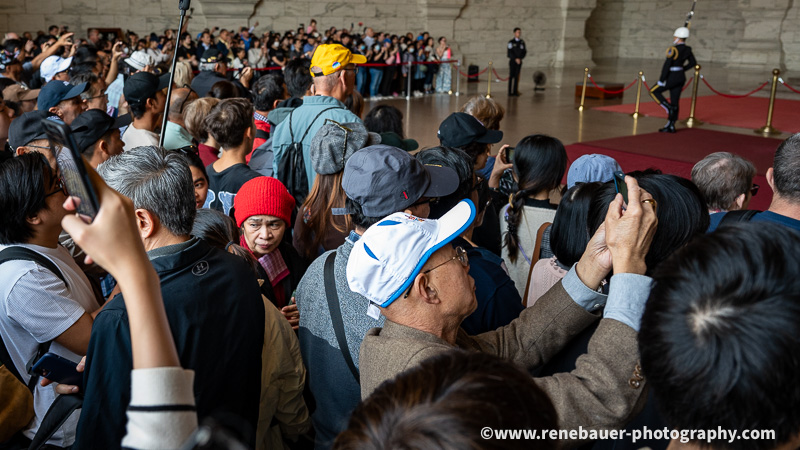
People gathering to hundreds inside the gigantic hall to watch the hourly change of the guards of honor. It’s an impressive performance of the skilled guards. A great subject for photo- and videographers too, if you get a place in the front row though.

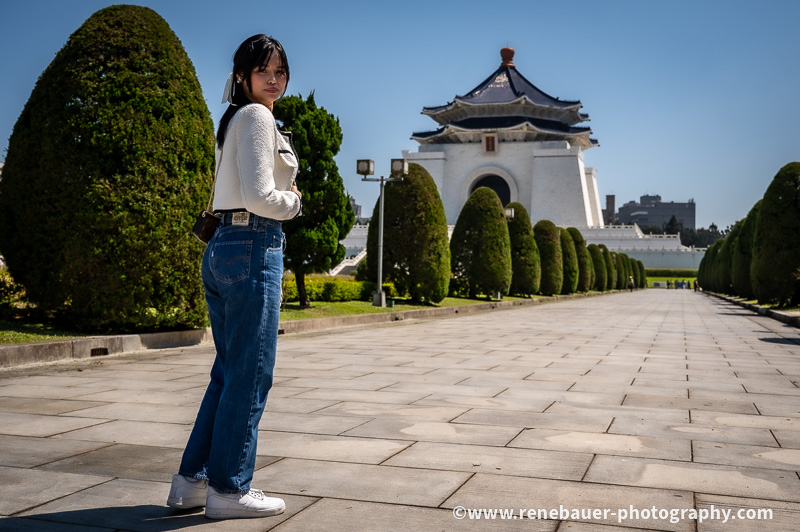
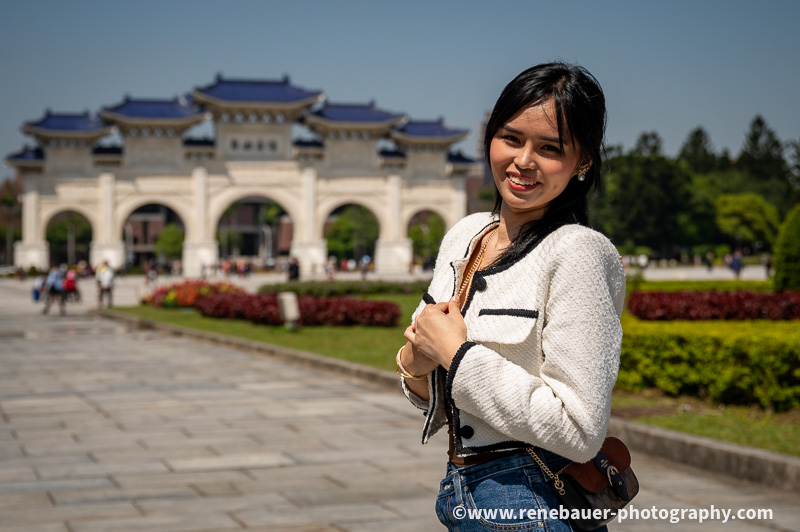
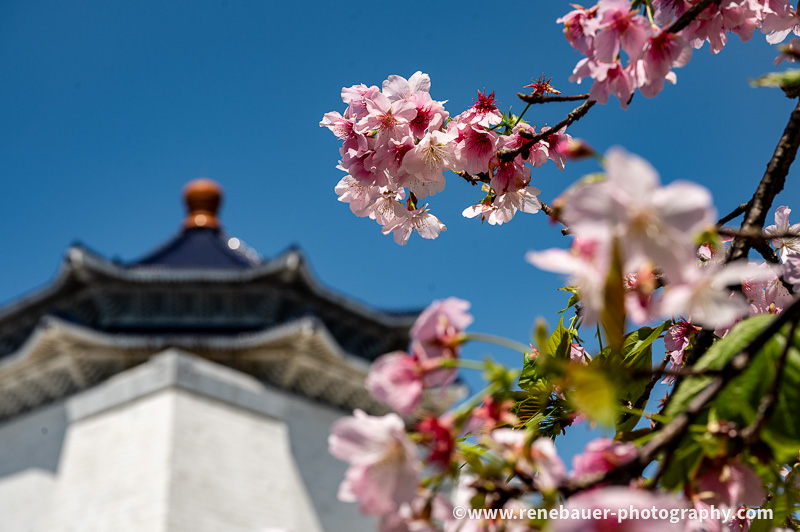
Nowadays the people enjoying the huge park with ponds and cherry trees. Especially a warm, sunny day like lucky me got here. Certainly there are many people taking selfies and group photos for memories. Amongst them was a young lady i got into talk with. Sofia took a few photos for her Instagram account ( https://www.instagram.com/sofiameeow/ ) and agreed for a quick, spontaneous photo session on this beautiful location.

Taiwan: The Prison Island (Lü Dao)

There is also a dark side in the history of Green Island. For the period of so called „White Terror“, from 1949 until late 1980’s, many political prisoners were held on a prison on Green Island, which got the name Prison Island back then. Nowadays it’s converted to a museum and memorial.

There are more places outside the prison walls, which played a role in those times. Most obvious the cementery, but also a cave, in which the prisons were forced to play and watch scenes and plays in order to get the right mindset for the Taiwanese society.

Israel – Jerusalem, the Armenian Museum

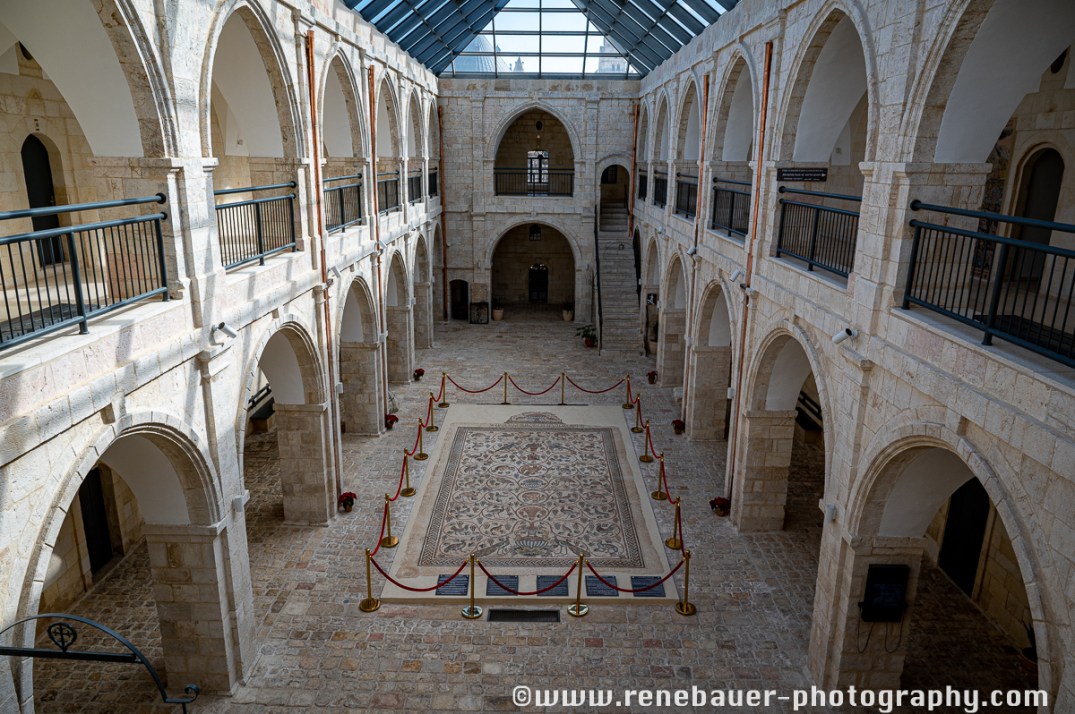
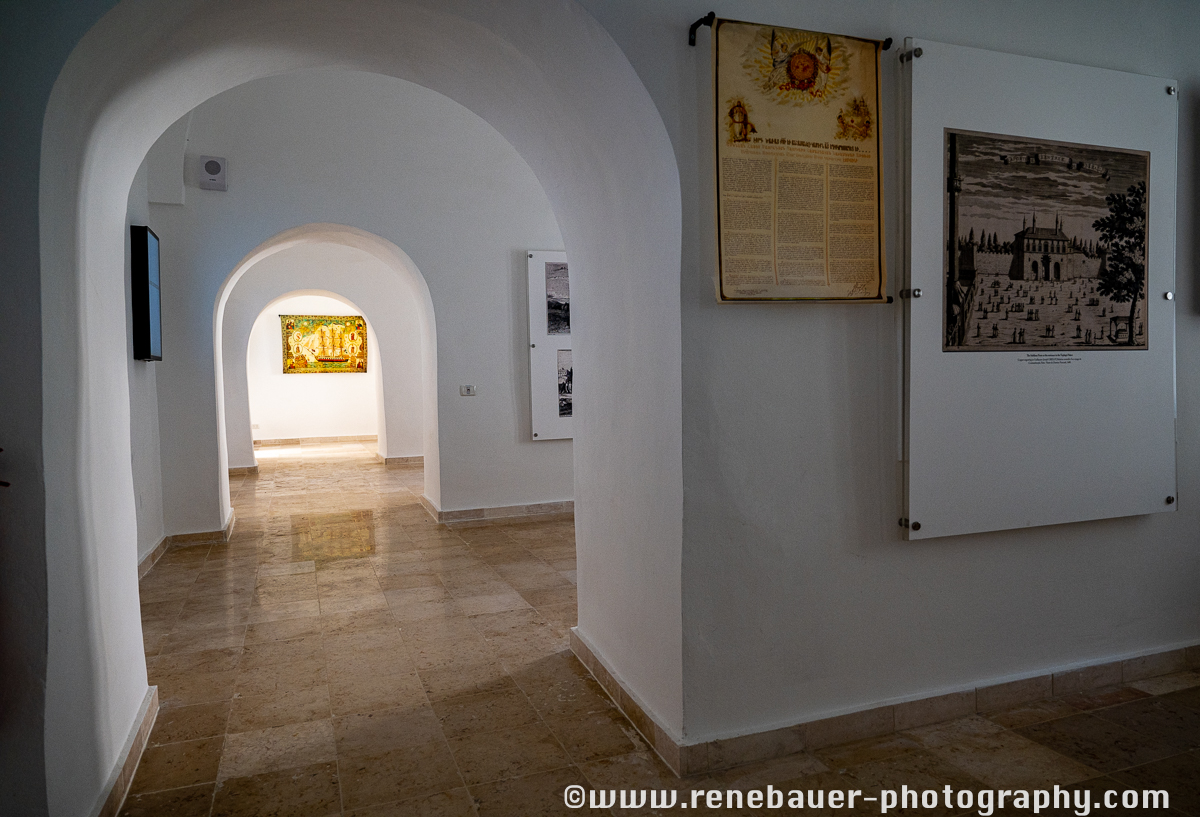
In the Armenian Quarter of Jerusalem stands a big building which host now the Armenian museum.

These rooms was build originally in the 1850’s as a pilgrim guesthouse, became later a monastery, a seminary and also an orphanage of survivors of the genocide from 1915.

After a five year renovation it just reopened recently as a museum and memorial of the Armenian Genocide in 1915.

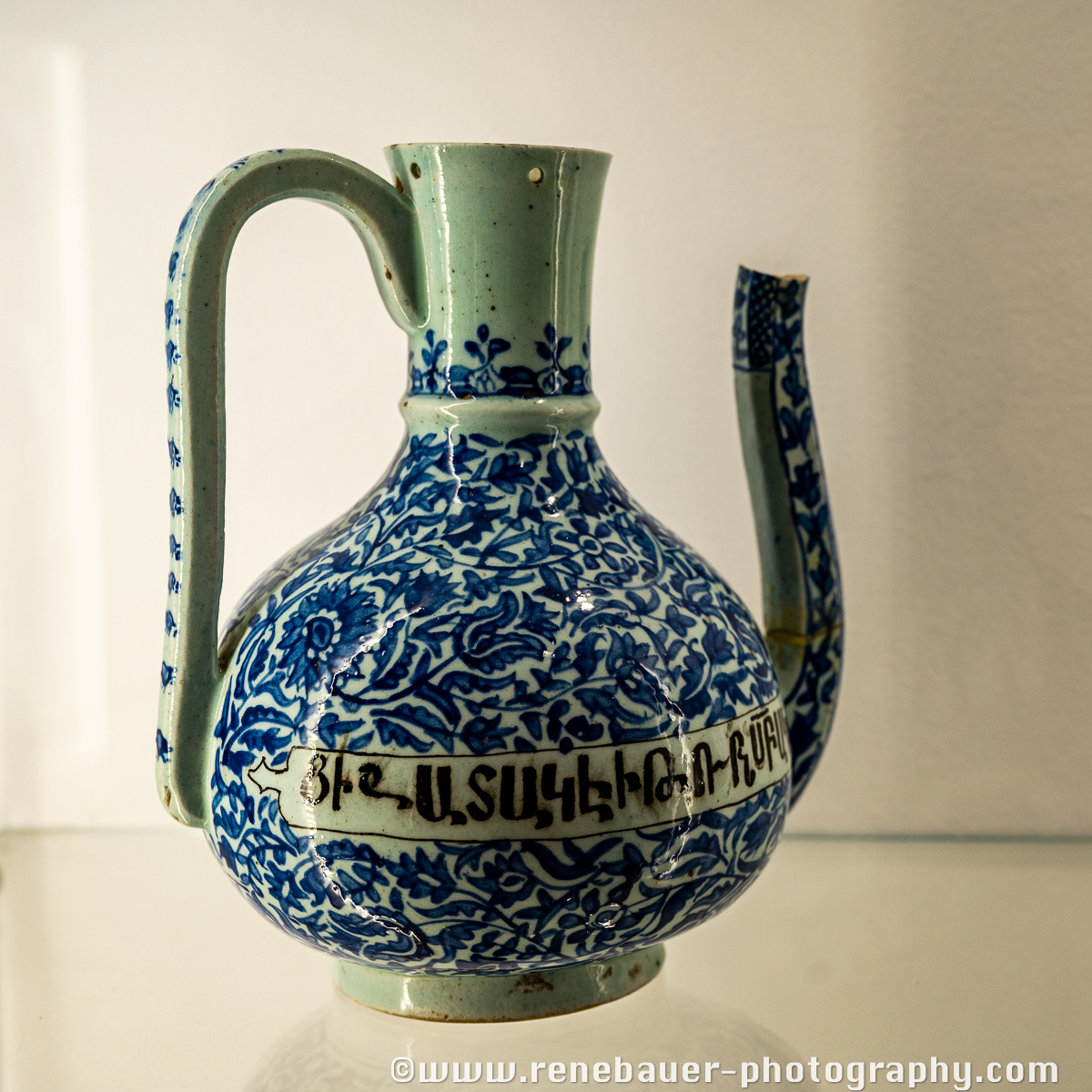
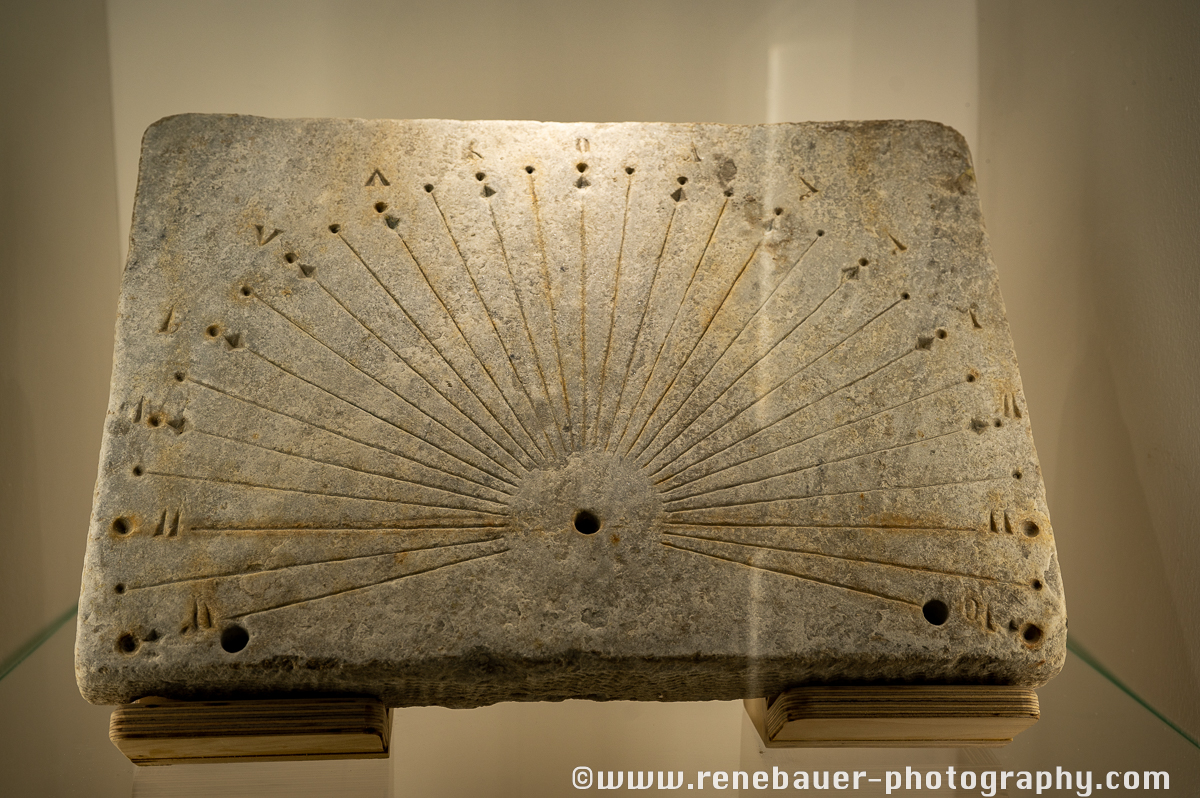
Beside many handicrafts and artifacts of the Armenian culture, especially also the famous ceramics and ornaments, it tells the story of the tragic incidents and deaths from the 24. April 1915, which is still denied by the Turkish government.

Israel – Jerusalem Yad Vashem (Holocaust Museum)

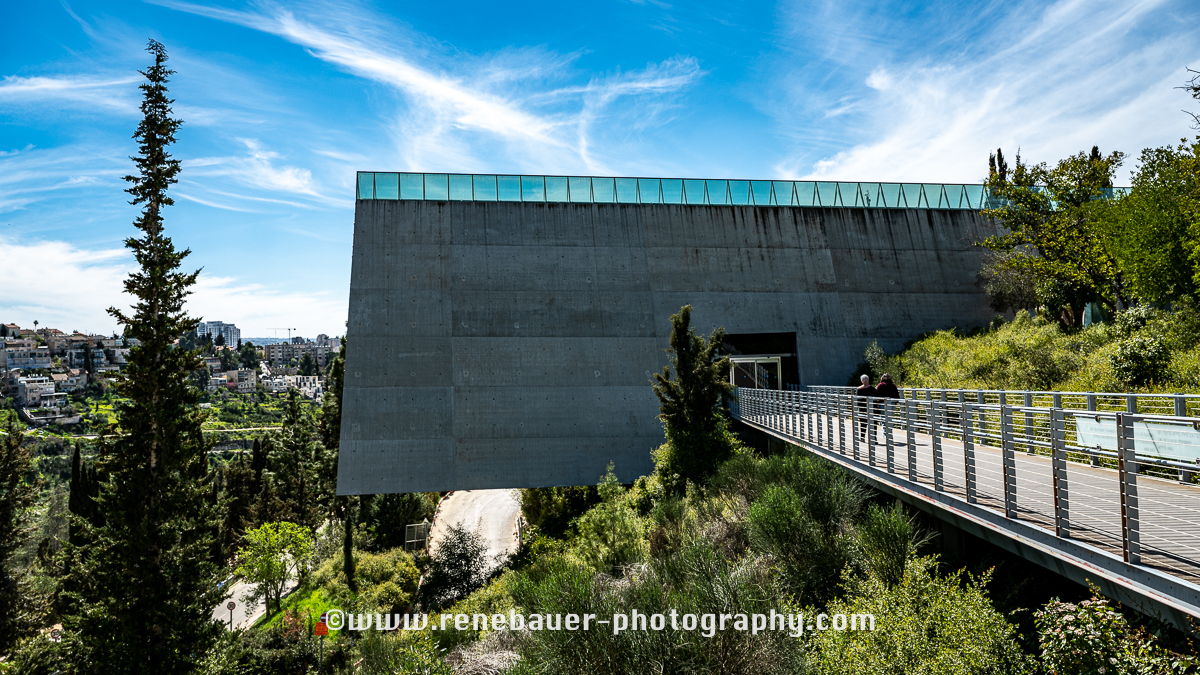
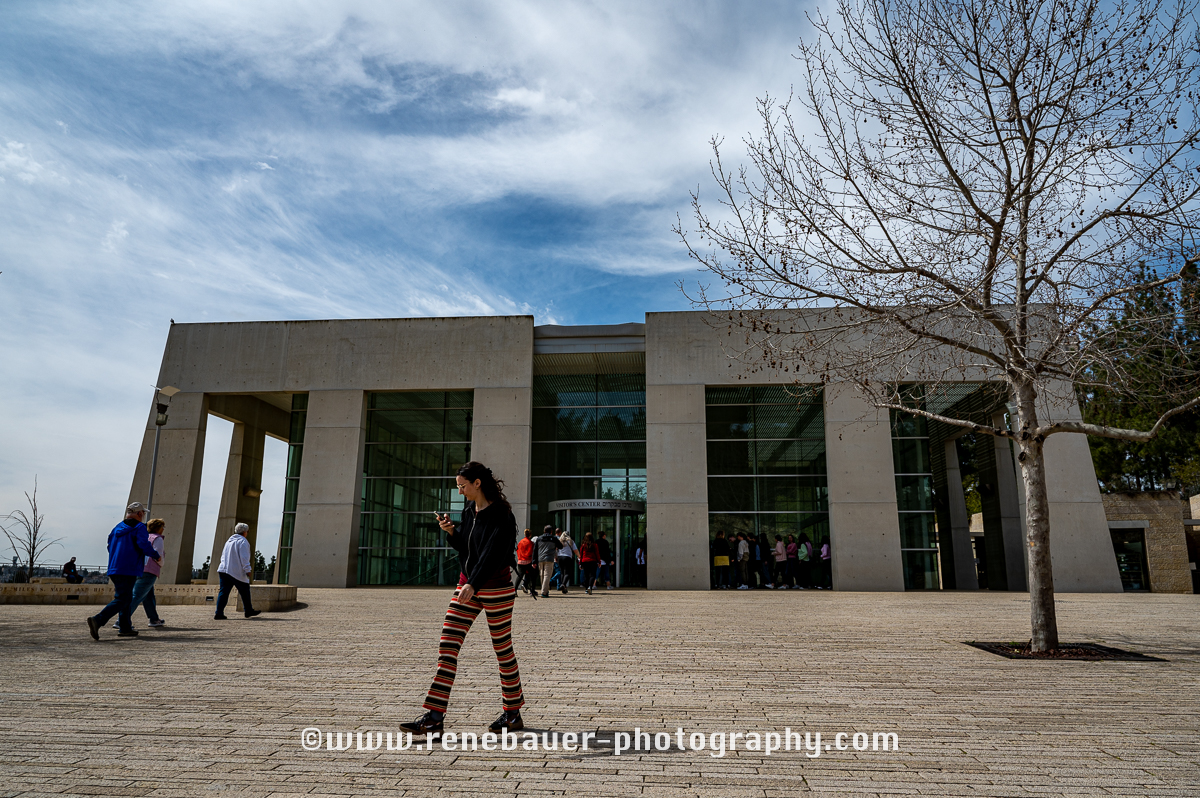
To understand Israel, one have to understand the history of its people.

The traumatic peak of the Jewish diaspora was the so-called holocaust in the 1930’s in Europe. The official website of Yad Vashem explains:

„The Holocaust was unprecedented genocide, total and systematic, perpetrated by Nazi Germany and its collaborators, with the aim of annihilating the Jewish people. The primary motivation was the Nazis‘ anti-Semitic racist ideology. Between 1933 and 1941 Nazi Germany pursued a policy that dispossessed the Jews of their rights and their property, followed by the branding and the concentration of the Jewish population. This policy gained broad support in Germany and much of occupied Europe. In 1941, following the invasion of the Soviet Union, the Nazis and their collaborators launched the systematic mass murder of the Jews. By 1945 nearly six million Jews had been murdered. „

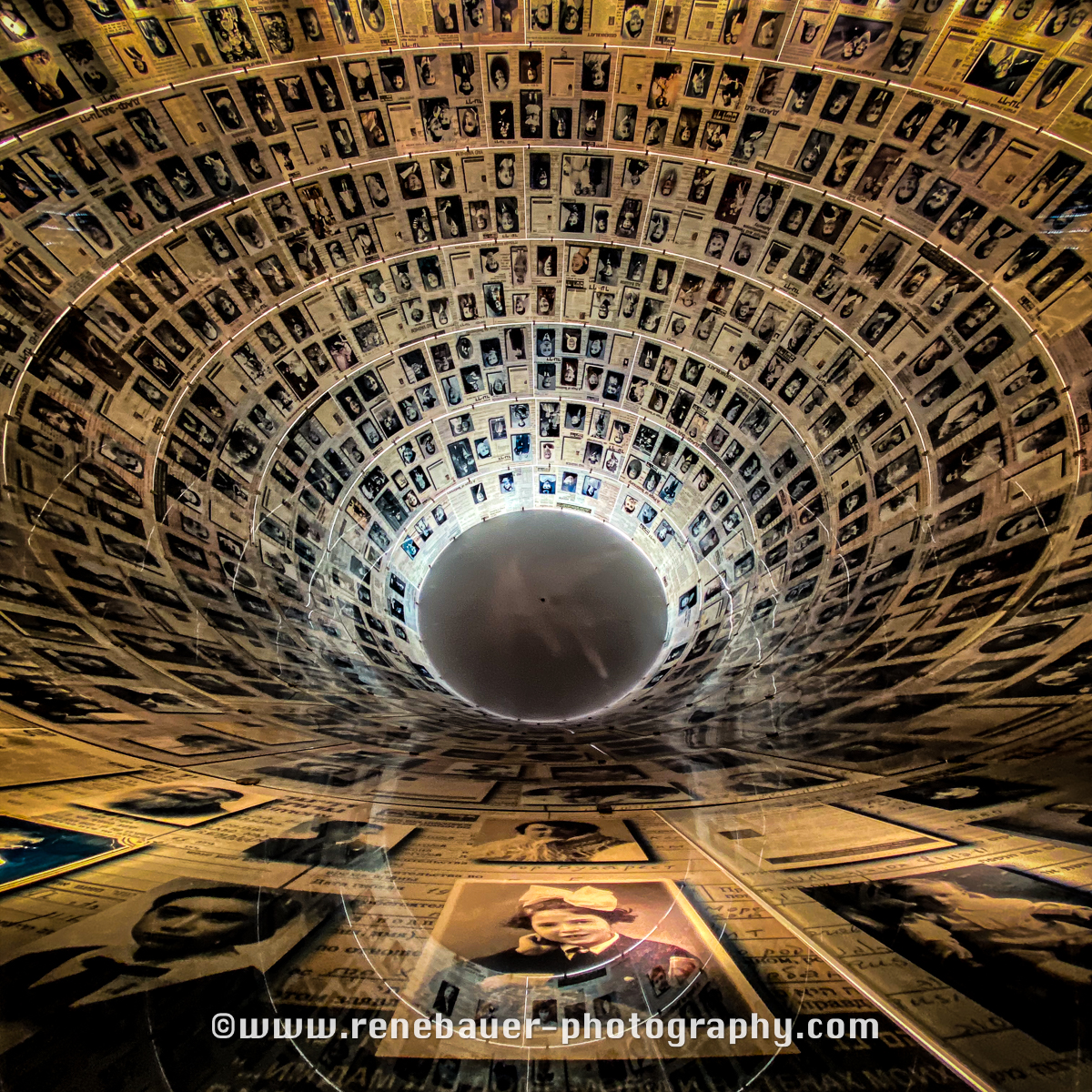
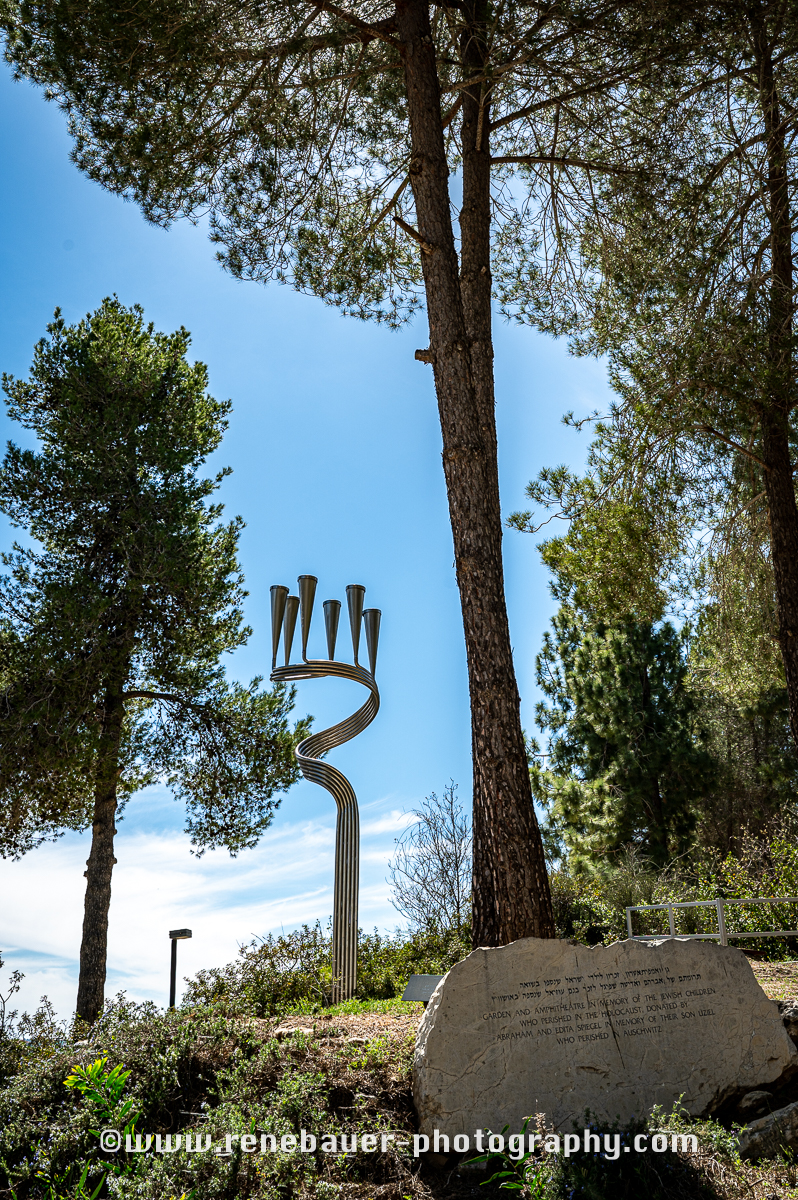
Walking through the rooms of museum/memorial, the visitor learn about how the hate against the Jewish people raised. It displays many individual fates and the suffer of an entire folk. Not to forget all the heroes, who fought and helped these people to escape.

It’s a place to remember the loss and keep in mind to fight for a peaceful future. At least i’d like to understand it that way. Unfortunately, i was informed at this very day, that Israel army attacked and destroyed the airport of Aleppo, which is crucial for the help of victims of the recent earthquake in that region. This incident wasn’t confirmed, nor denied, from the Israel officials. But it let me a bitter taste when thinking of the future of this region.
Churches Of Genocide

Piles of clothes covered with dust lying on benches and at the floor. Dust also on the air, mixed with a rotten smell. Light beams trough the many small holes from grenades pieces to the dark walls full of bullet holes. A team of American specialists working with masks, some with full covered dresses, to clean and preserve the clothes from victims of genocide in the church of Nyamata. Skulls and bones buried in the mass graves nearby, some are displayed for the visitors to show the cruelty of killing innocent people, women and children with primitive weapons, tools or simple sticks. The team of conservators tells me, occasionally they still find human bones in bunches of clothes.

A few kilometer away, a similar tragedy of humanity was happen in the church of Ntamara . The area around the church is preserved like a archeological site. New roof over the building protects from rain, paths leads between buildings and trough green garden, boards content explanations. But the horror of the history is written in the wall. Bullet holes, missing corners where grenades exploded and blood stains on the wall of sunday school where children smashed to death. A big pile of dirty clothes still remains in the kitchen, waiting for further treatment and preserving, while the life in the village goes on…

Kigali Genocide Memorial

At entrance gate every passenger has to get off the vehicles for security check. After the car is parked a friendly staff at reception welcomed me with a smile and explained me there is a photography fee of 20 US$ inside the museum building, but outside it’s free to take pictures. Due the low light in the exhibition rooms i decided to focus on the stories, and taking only few shots from outside.

Just behind the welcome hall a room with rows of chairs is prepared to show an introductory movie. A brief overview of the history and some heartbreaking stories of survivors of genocide brings the viewer goosebumps.

In the museum a path leads from display to another, shows photos and and explanations on big boards or short movies on screens. Another room displayed stained clothes, broken skulls and piles of bones from victims of this horrible time.

The head full of thoughts and impressions i took a short walk trough the area. There are mass graves on terraces just beneath the museum. Some dried roses laying on the concrete  lid of the graves and names of victims are carved in the stoney board next to it.

In the small, but pretty rose garden a few blossoms are left. And almost as sign for the future, the sun breaks finally trough the clouds and shines on the red flowers.

Hidden Mount Kenya

To circumnavigate Mount Kenya and making pictures from the area was the goal. But i choose the wrong time for it. Or the gods sitting on the mountain didn’t agree to get pictured. It started, like mostly, with the traffic jam in Nairobi. Passing Thika, up north to Nyeri, visiting the memorial park and grave of Robert Baden-Powell, the founder of the boy scout movement.

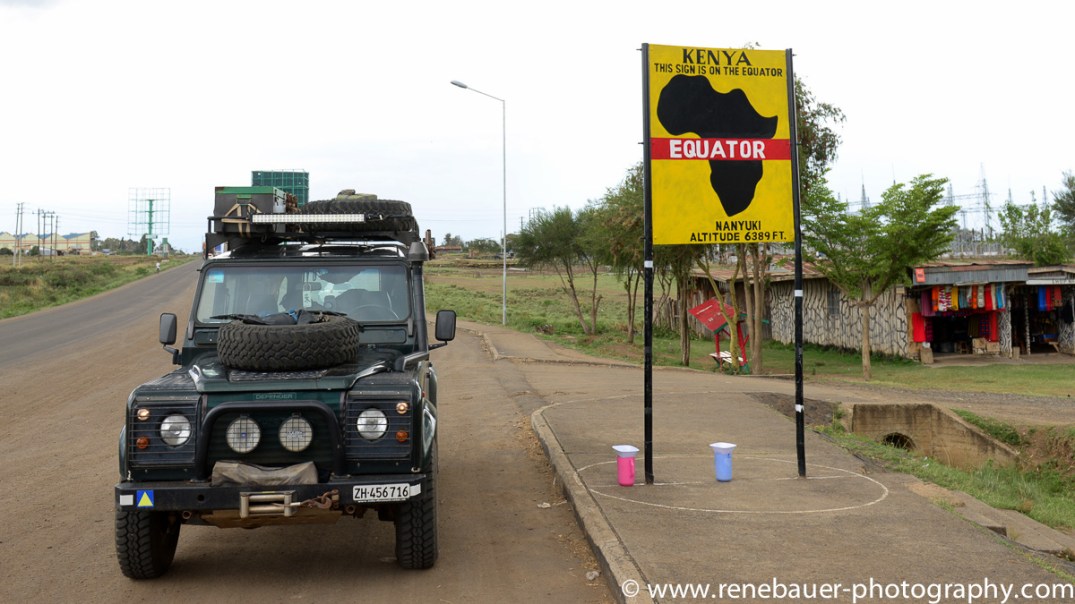
Just south of Nanyuki my Land Rover crossed the equator line from south to north. The first time since i drove to the southern hemisphere at Gabon in 2010 (http://photoglobo.blogspot.co.ke/2010/03/gabon.html). But also on the northern and eastern side of Mount Kenya it’s hiding from my camera. There are few nice spots though. The eastern side surprised me with lush green forest, coffee plantages and waterfalls.

Back in Nairobi i knew, i have to go again. Next time with more time and less clouds.