South Korea: The Hanbat Arboretum

While in Daejeon i visited the Hanbat arboretum too. It’s situated just behind the Daejeon Museum Of Art, which i skipped due the lack of time. The sunny day let me stroll rather trough the park, although it was bit too early for flowers. At least i had a calm and peaceful atmosphere within and could collect some more impressions.

Taiwan: The cherry blossoms of Fort Zeelandia

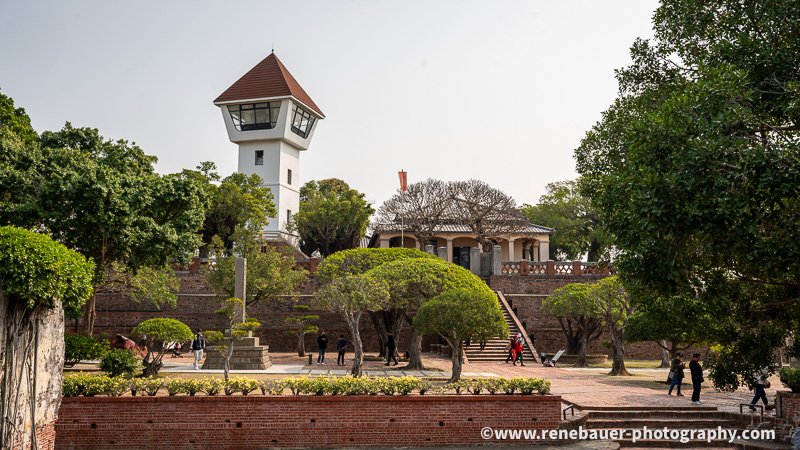
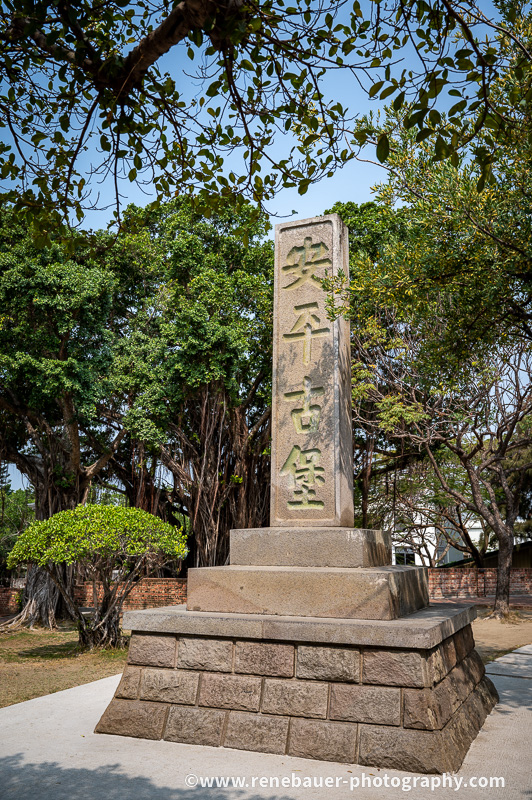
There’s an important historical place outside of Tainan, called Fort Zeelandia. It’s the place where Dutch people arrived and build their first trading outpost on Taiwan.

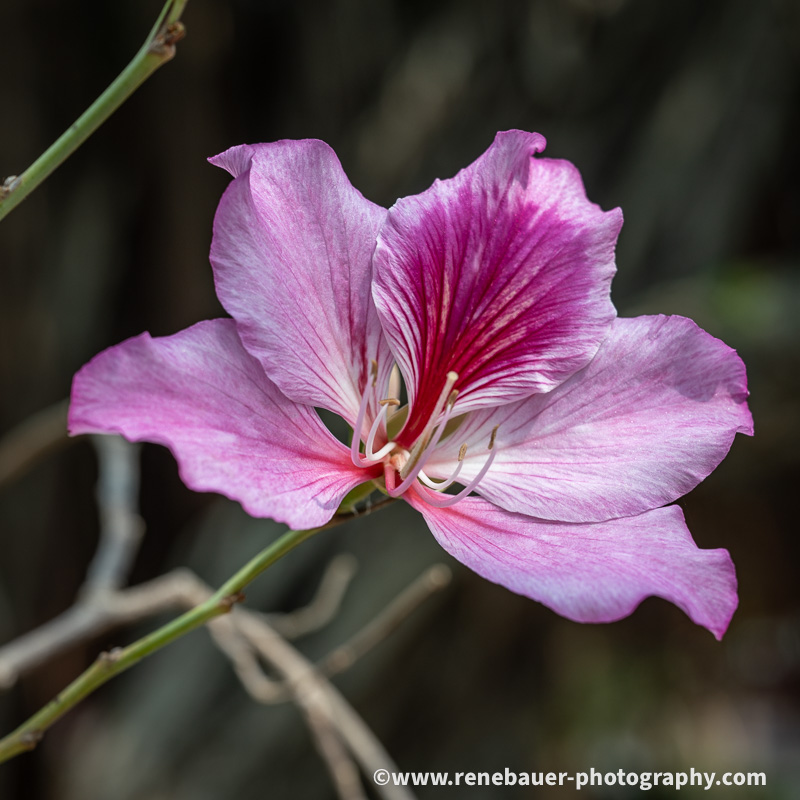
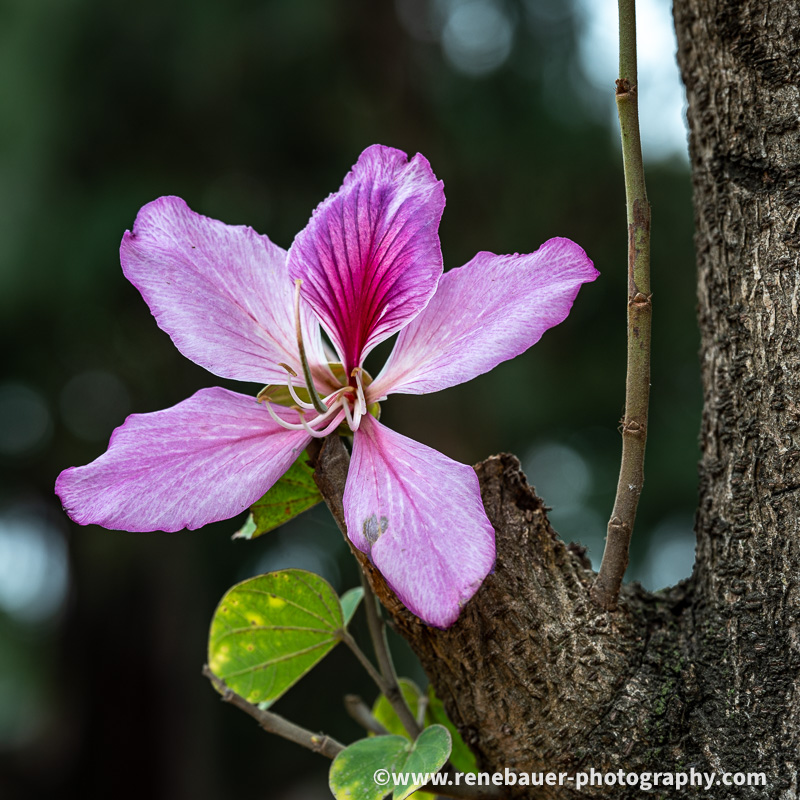
Beside a museum and a tower with nice view, there’s also a beautiful garden with cherry trees. It’s just the right time of year to enjoy the cherry blossoms here.

Temple Of Confucius In Tainan/Taiwan

A worthy visit while in Tainan is certainly the Temple Of Confucius.

It appeared beautiful to me in its simplicity and calmness. The imagination of a place to study and and have philosophical discussions is real to me. Luckily there wasn’t many people there, as i strolled trough the lush garden and enjoyed to roam trough the different halls.

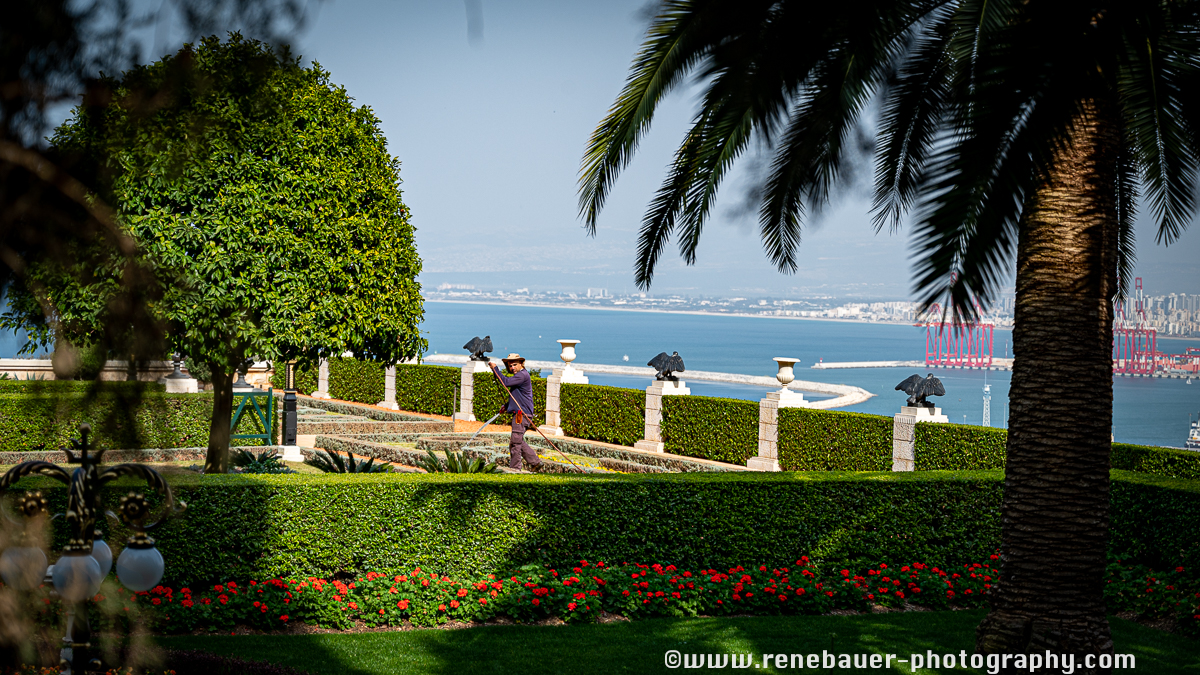
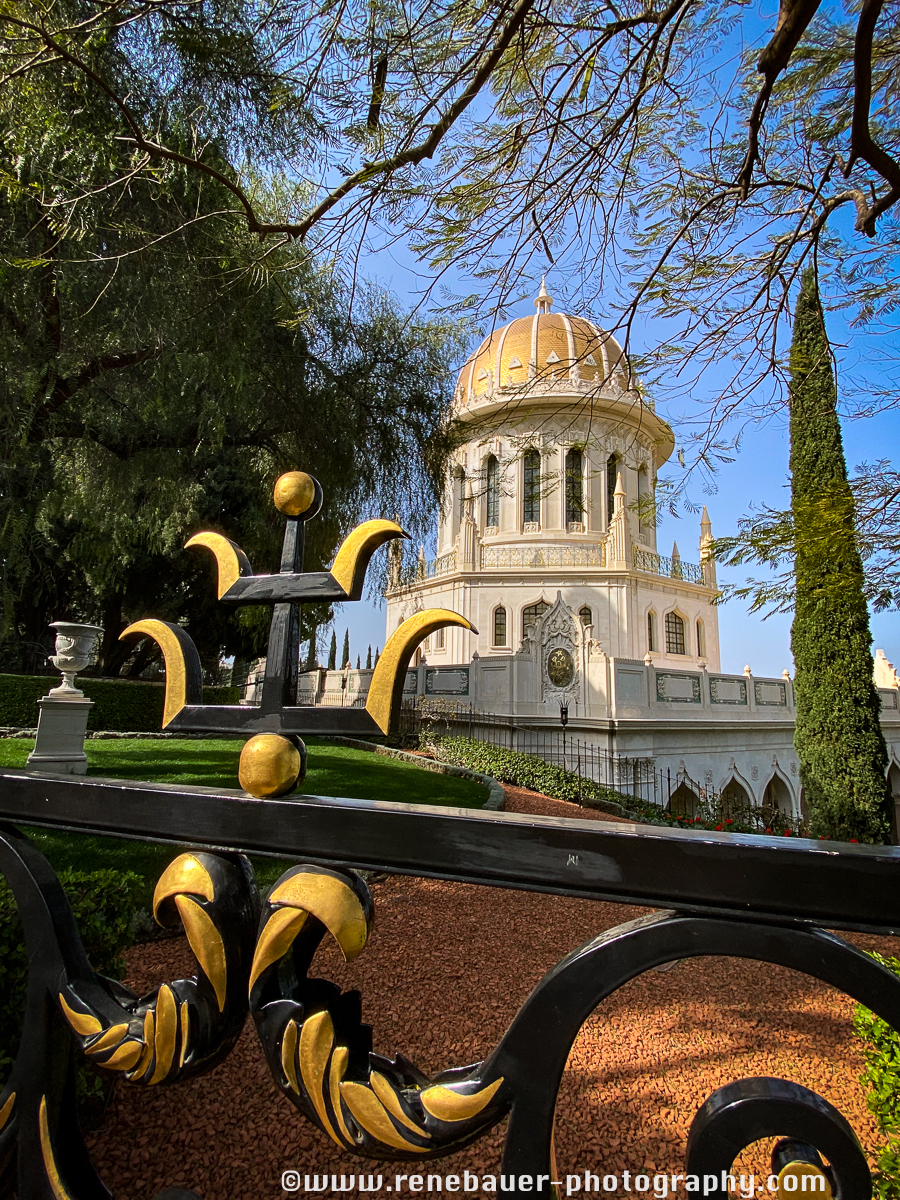
Haifa, Israel – The Hanging Gardens Of Baha’i

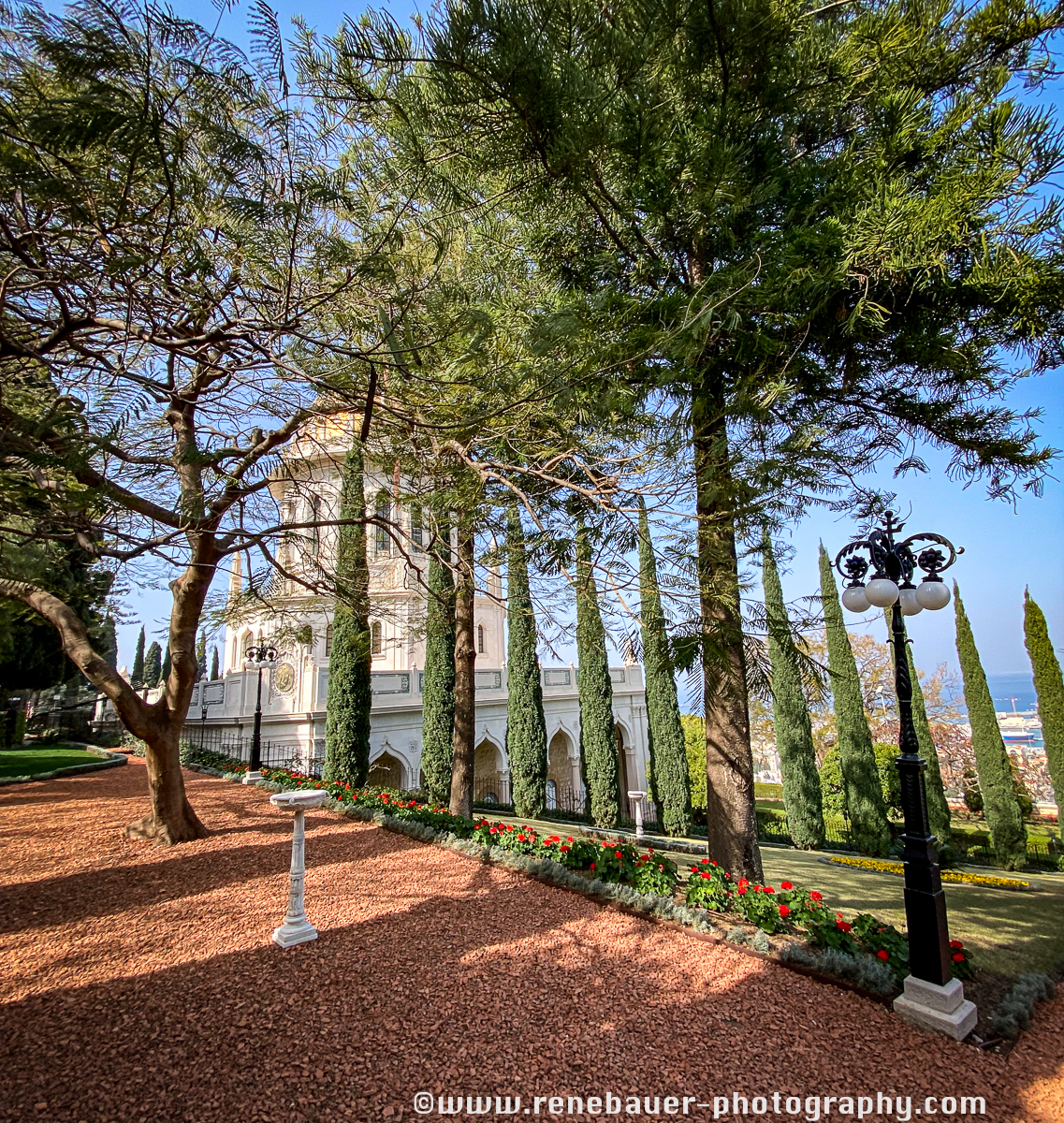
My plan was a nice picnic and some rest in the famous gardens of Baha’i.

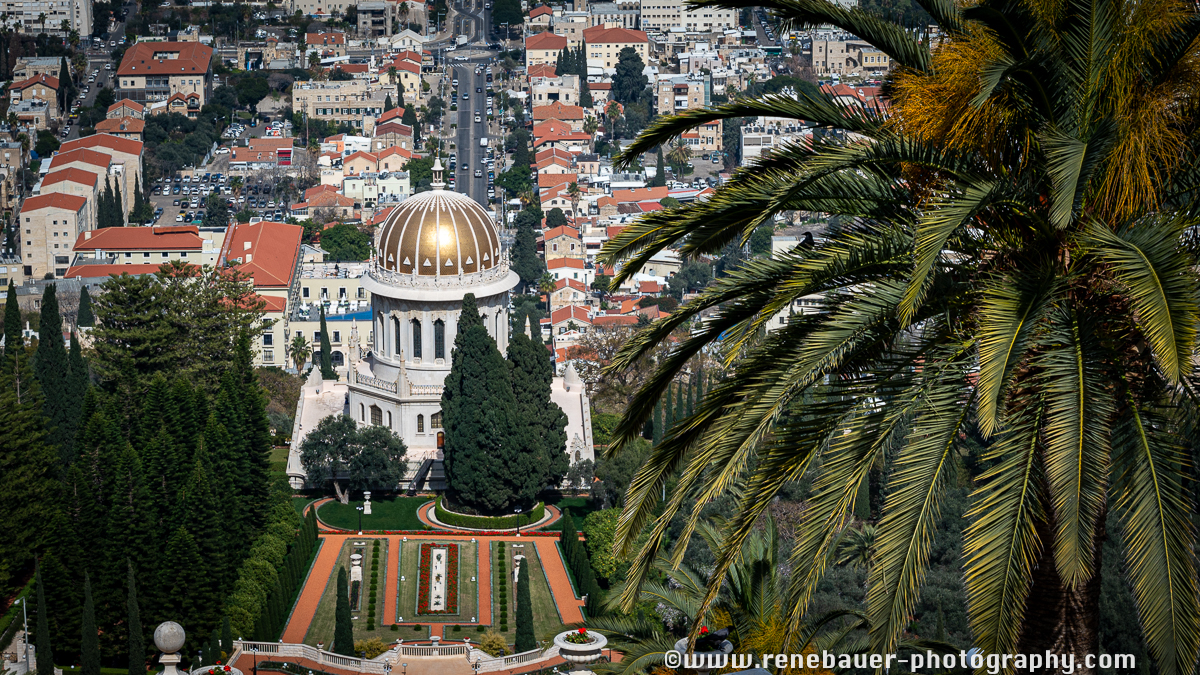
The Hanging Gardens of Baha’i are on the slopes of Carmel mountains and overlooking Haifa and its bay.

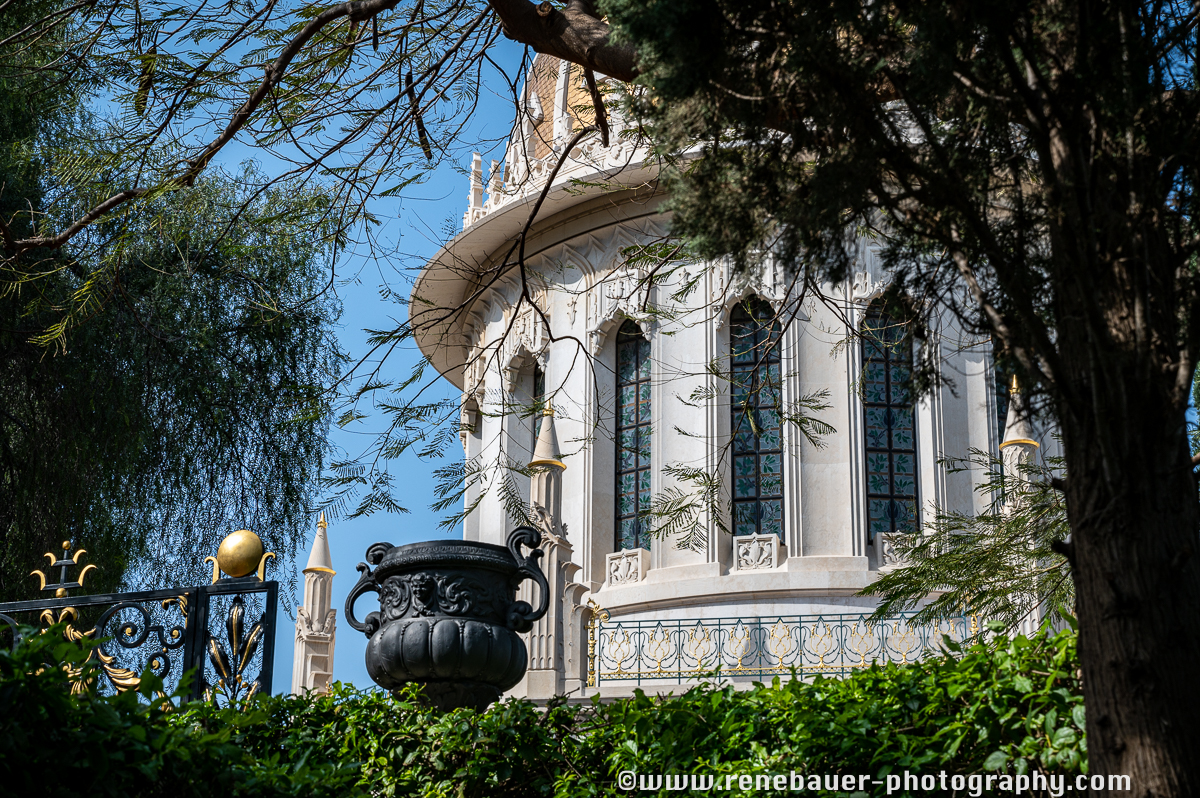
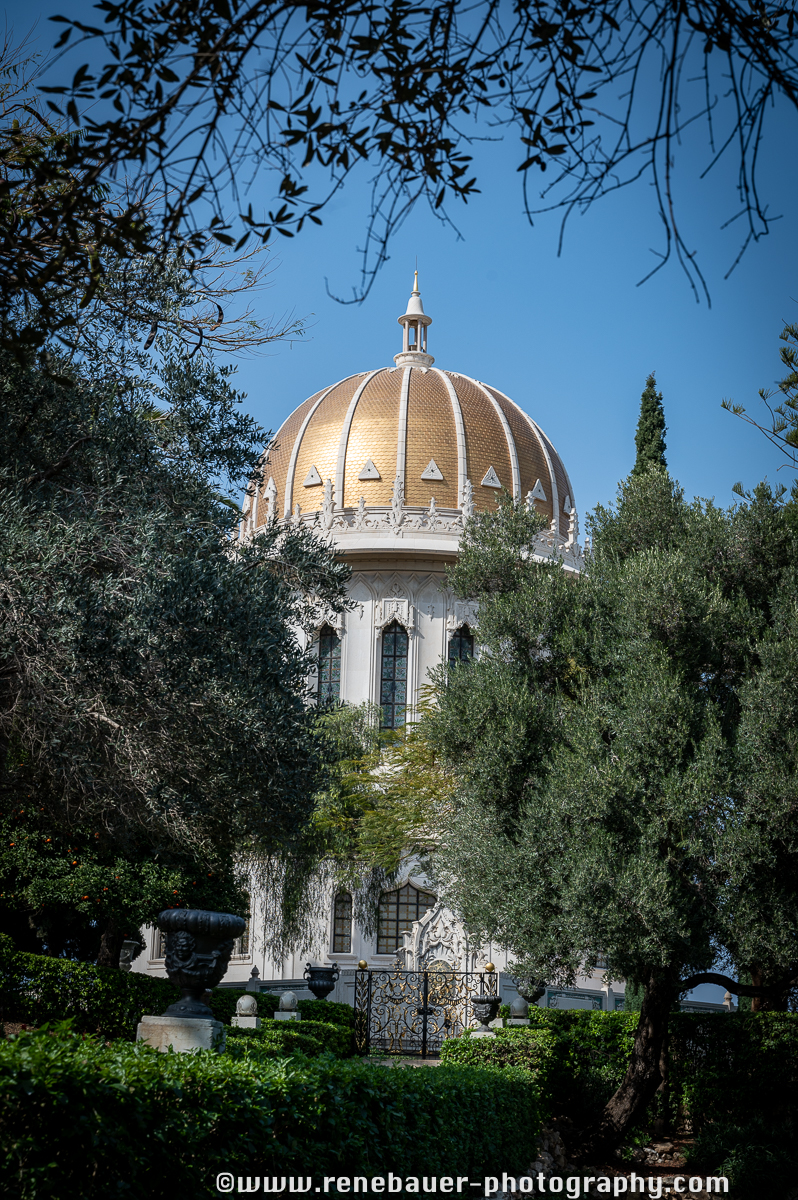
They surrounds the Shrine of Bab, where the founder of the Baha’i Faith is buried.

Unfortunately, only a small part of the gardens are open for the public. The shrine itself was not to enter.

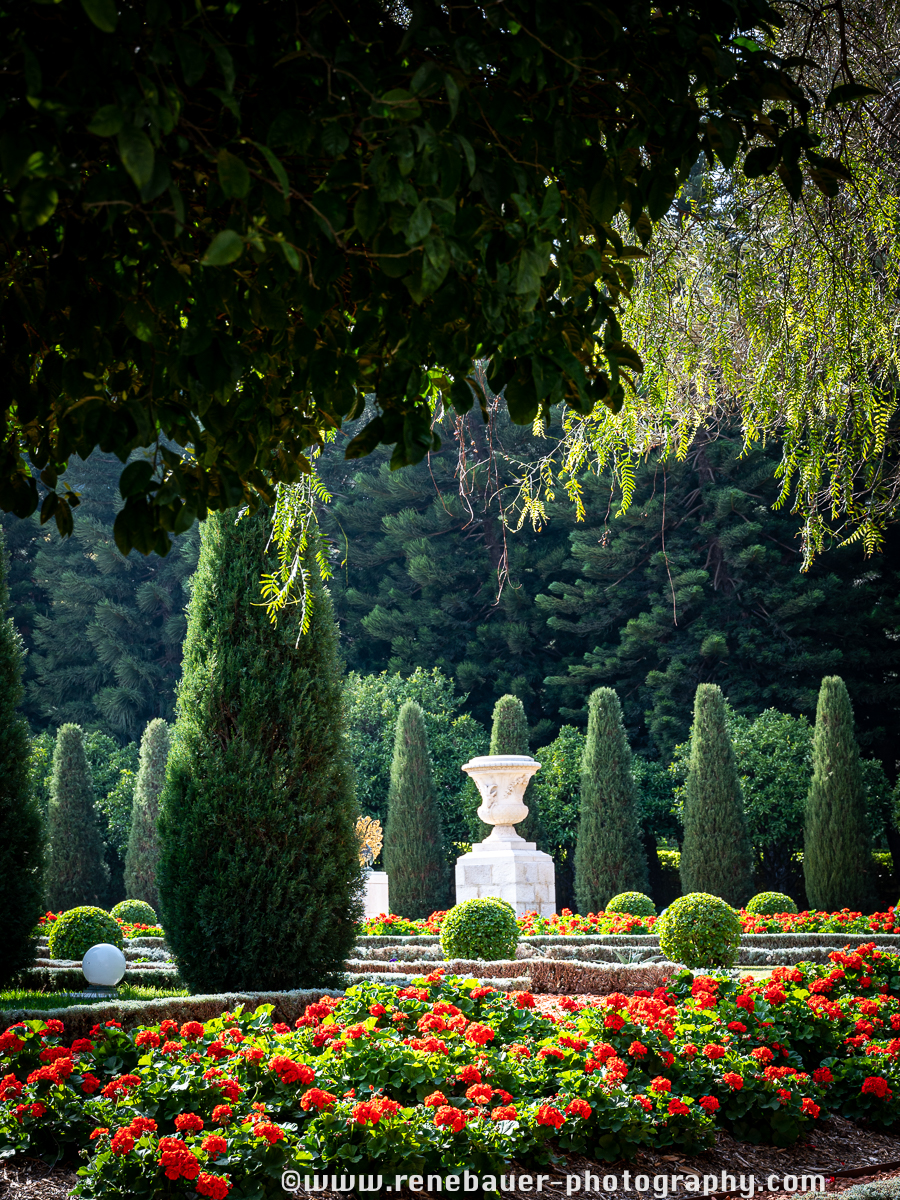
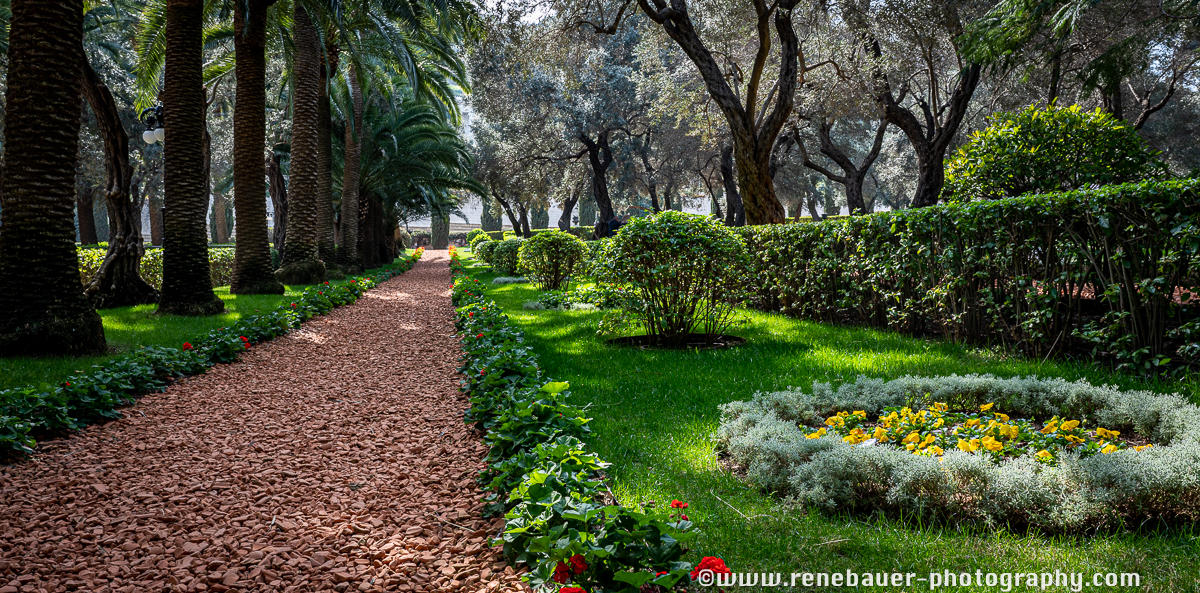
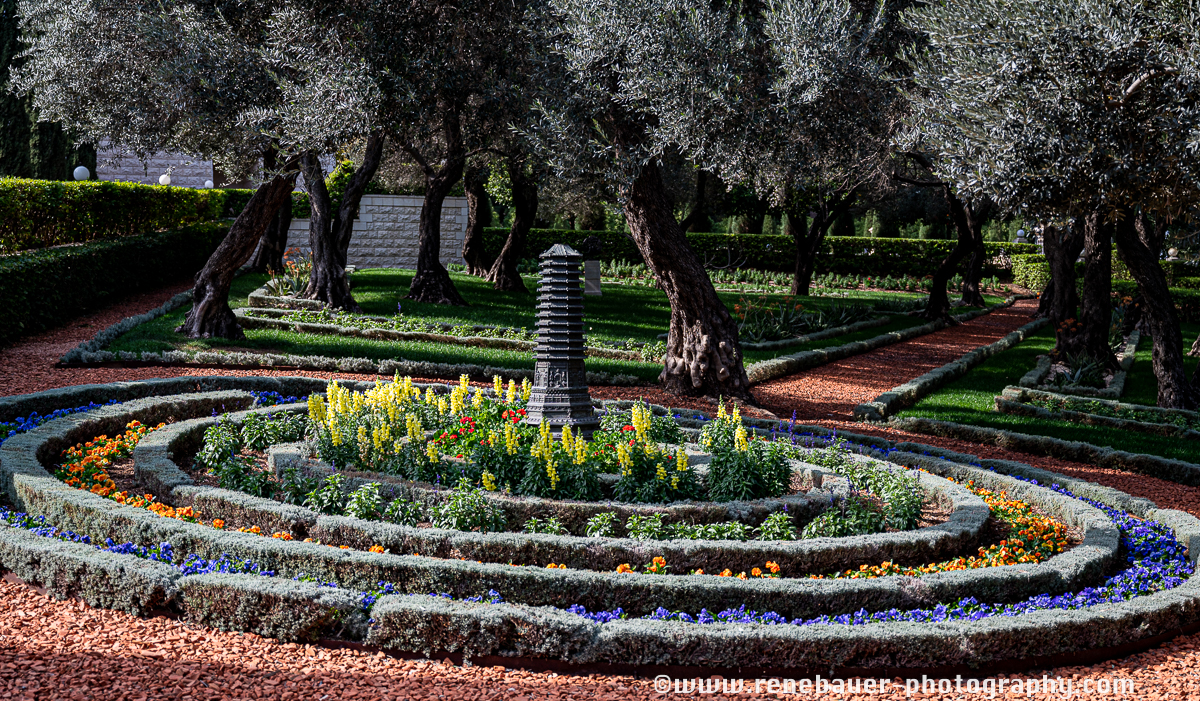
However, i could had a little stroll in quite, peaceful surroundings and took some picturres.

Kigali Genocide Memorial

At entrance gate every passenger has to get off the vehicles for security check. After the car is parked a friendly staff at reception welcomed me with a smile and explained me there is a photography fee of 20 US$ inside the museum building, but outside it’s free to take pictures. Due the low light in the exhibition rooms i decided to focus on the stories, and taking only few shots from outside.

Just behind the welcome hall a room with rows of chairs is prepared to show an introductory movie. A brief overview of the history and some heartbreaking stories of survivors of genocide brings the viewer goosebumps.

In the museum a path leads from display to another, shows photos and and explanations on big boards or short movies on screens. Another room displayed stained clothes, broken skulls and piles of bones from victims of this horrible time.

The head full of thoughts and impressions i took a short walk trough the area. There are mass graves on terraces just beneath the museum. Some dried roses laying on the concrete  lid of the graves and names of victims are carved in the stoney board next to it.

In the small, but pretty rose garden a few blossoms are left. And almost as sign for the future, the sun breaks finally trough the clouds and shines on the red flowers.

Ombili Project For San People

San people used to be hunters and gatherers. The movie „the gods must be crazy“ gave a strong impression about their life in the Kalahari bush. However, i got aware of the ‚Ombili Project‘ nearby, which was founded to help the San people, who suffer from losing they’re natural habits. On the way to this ‚cultural village‘ i explained my parents what i know about the life of this tribe. Contrary to my expectations and explanations after arrival we’ve seen neither their nomadic huts, nor hunters with poisoned arrows. Instead we got introduced in the huge garden behind solid brick buildings and explained about their success with cattle. The Ombili project turns out to be rather an agriculture school in purpose to give the upcoming generations of San people a new future. Nevertheless there is still a corner in the village to satisfy the visitors with their images of old traditional huts, fire making with a stick and a group who sings wonderful old, traditional songs.