Taiwan: Arriving In Tainan

It was late afternoon when i arrived Tainan, in southern Taiwan. But it’s never too late to go out for a stroll in the neighborhood.

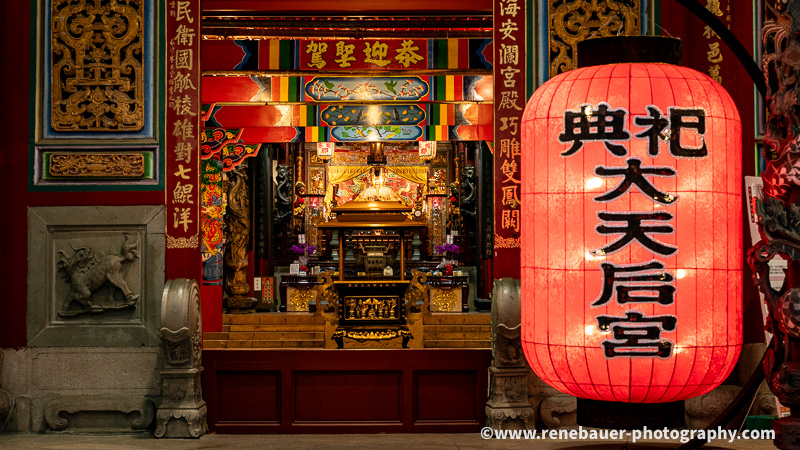
Much to see explore, as i found out soon. Around and inside the temples were still lots of lanterns, since the final festivities about Chinese New Year weren’t over yet. In one of the temple two nice, young ladies explaining me, how they interact with their gods and asking questions. It works with throwing two crescent-shaped wooden parts. Depending how the lie, the gods are willing to listen to their questions. Next step is to choose one of the providing sticks, which have numbers what leads to a certain box in a cupboard, where finally is a piece of paper with the answer to your initial question. Maybe.

They also told me about the various gods and goddesses in the different niches of the temple. There’s one who helps to find your soulmate, another one brings luck for women wants get pregnant, or students pray for their exams. On the wall were the proof of success, when it worked. Not so far from catholicism, where various Saints get these tasks done, i thought for myself.

Outside of the temple a sudden strong rain started. It makes the colorful lanterns reflect on the street, giving a new, friendly atmosphere. A small snack on my way home and some juicy strawberries for dessert. The first day in Tainan ended nicely.

Palestine – Bethlehem, Banksy and Jesus

There’s quite a controversy about the birthday of Jesus. While some historian beliefs it was actually in Nazaraeth, where he supposed to spend also his youth, other stays with the place written in the Gospels: Bethlehem.

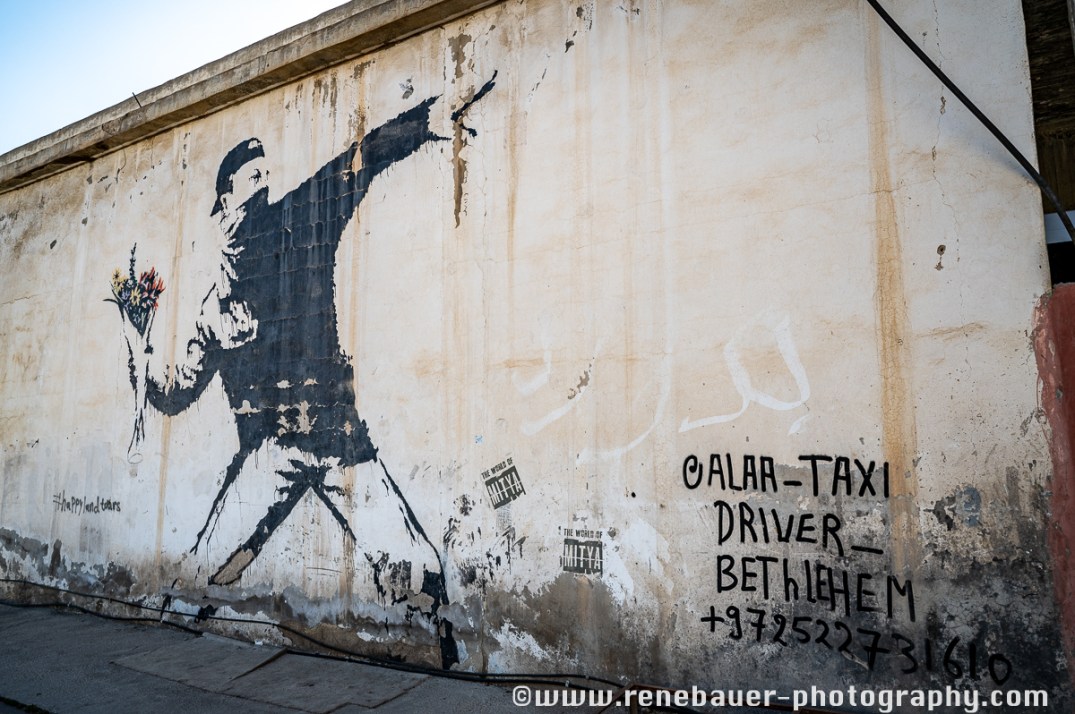
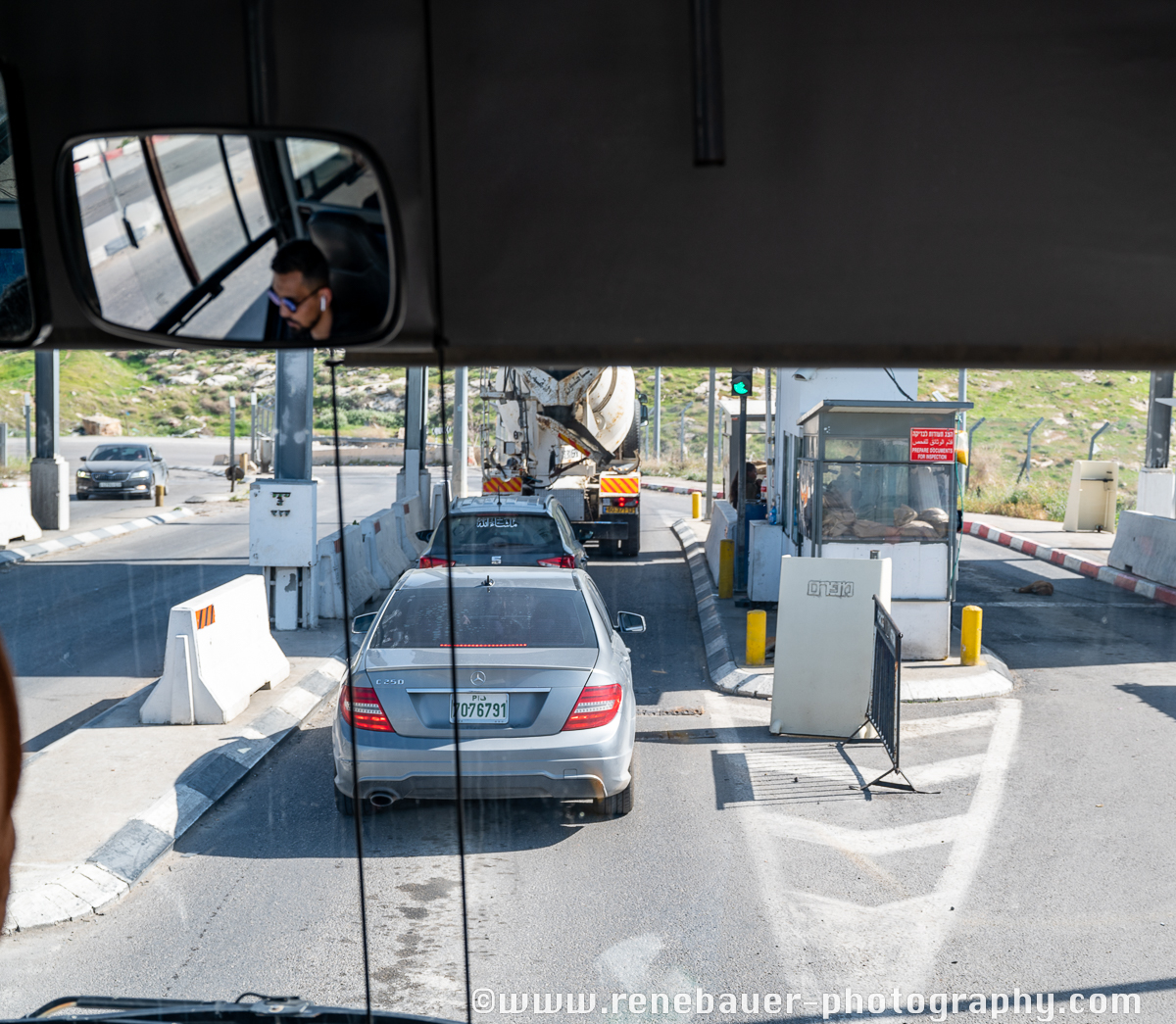
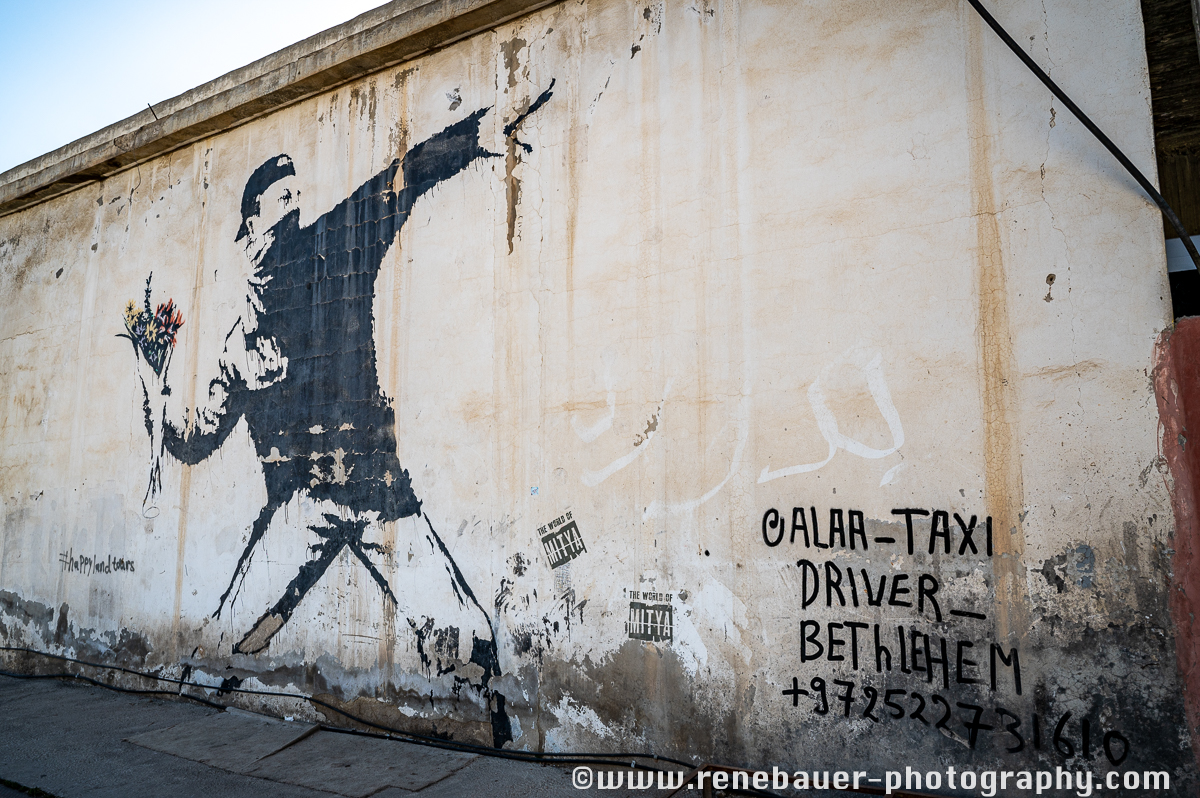
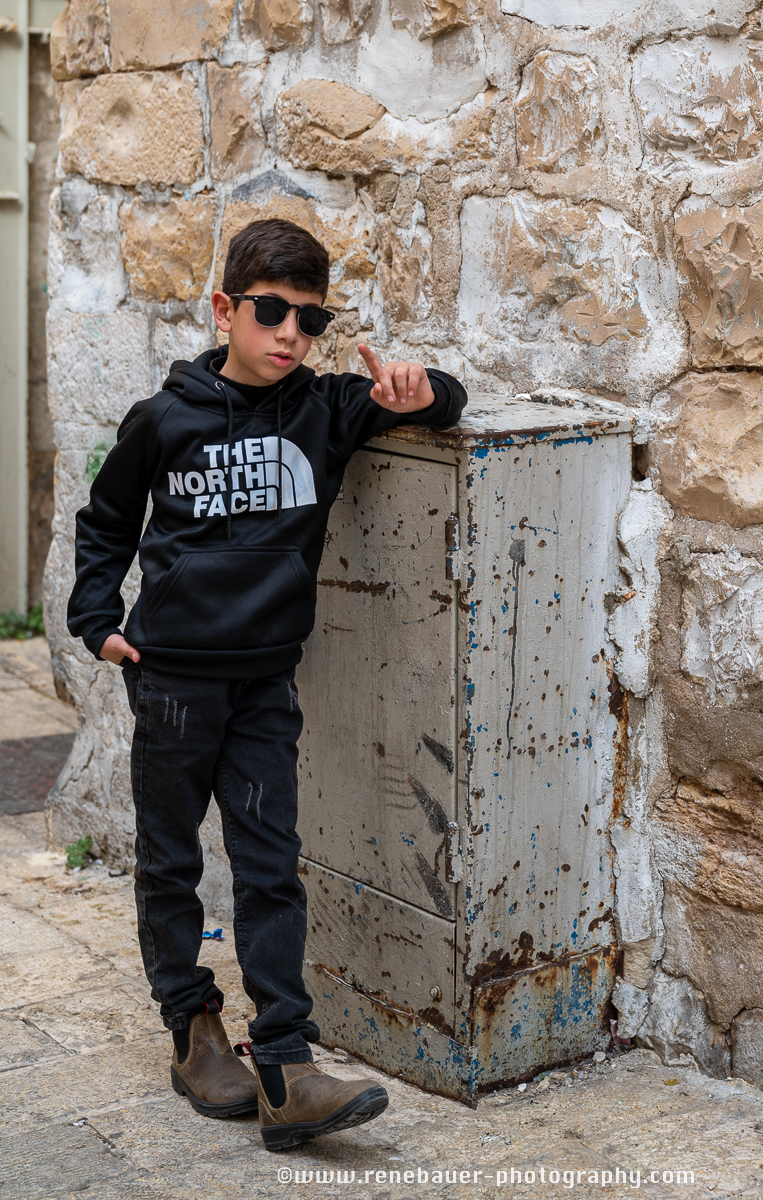
After entering the city trough heavy guarded check-points, we stopped at one of the best known graffiti by the anonymous artist Banksy.

‚The Flower Thrower‘

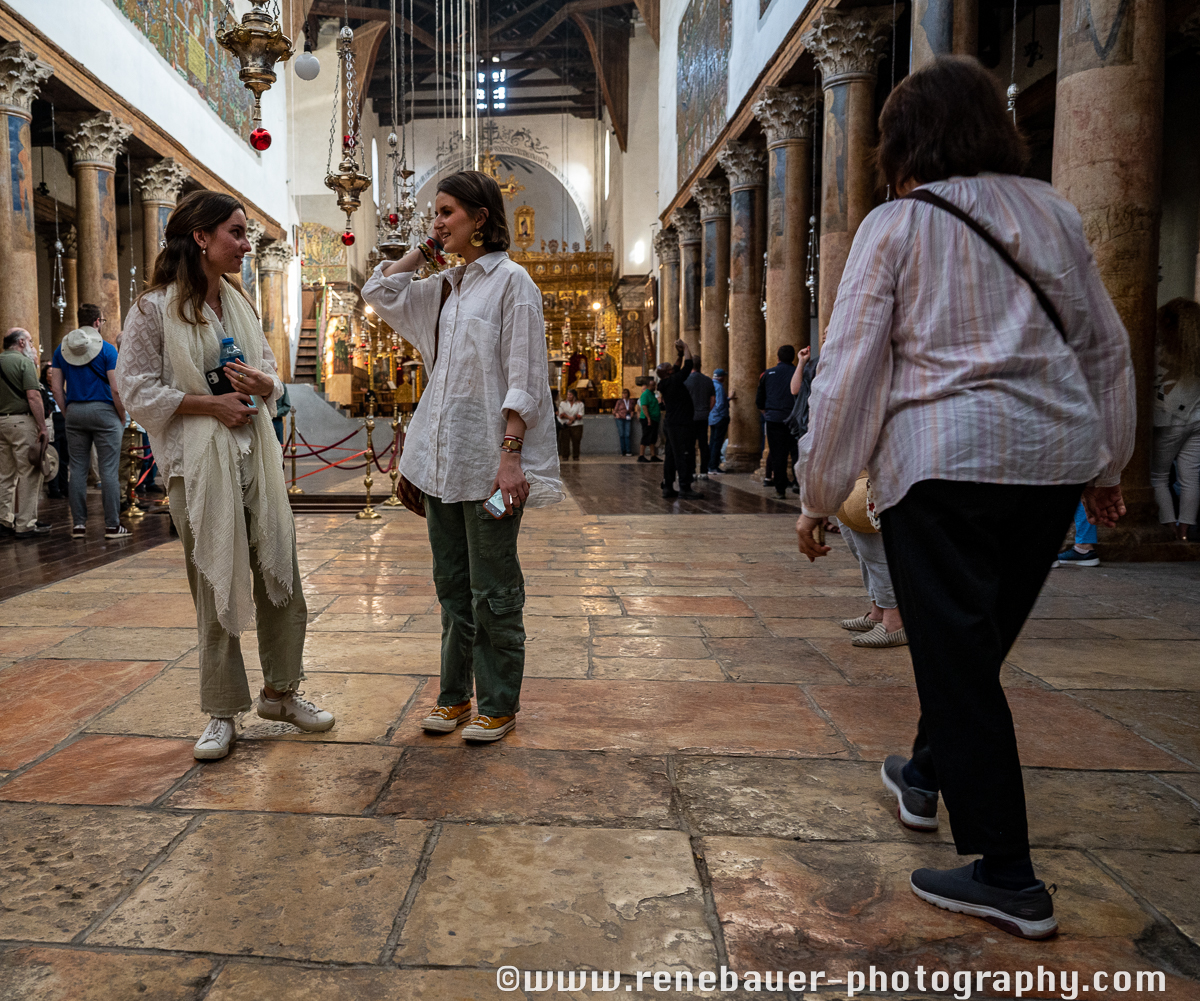
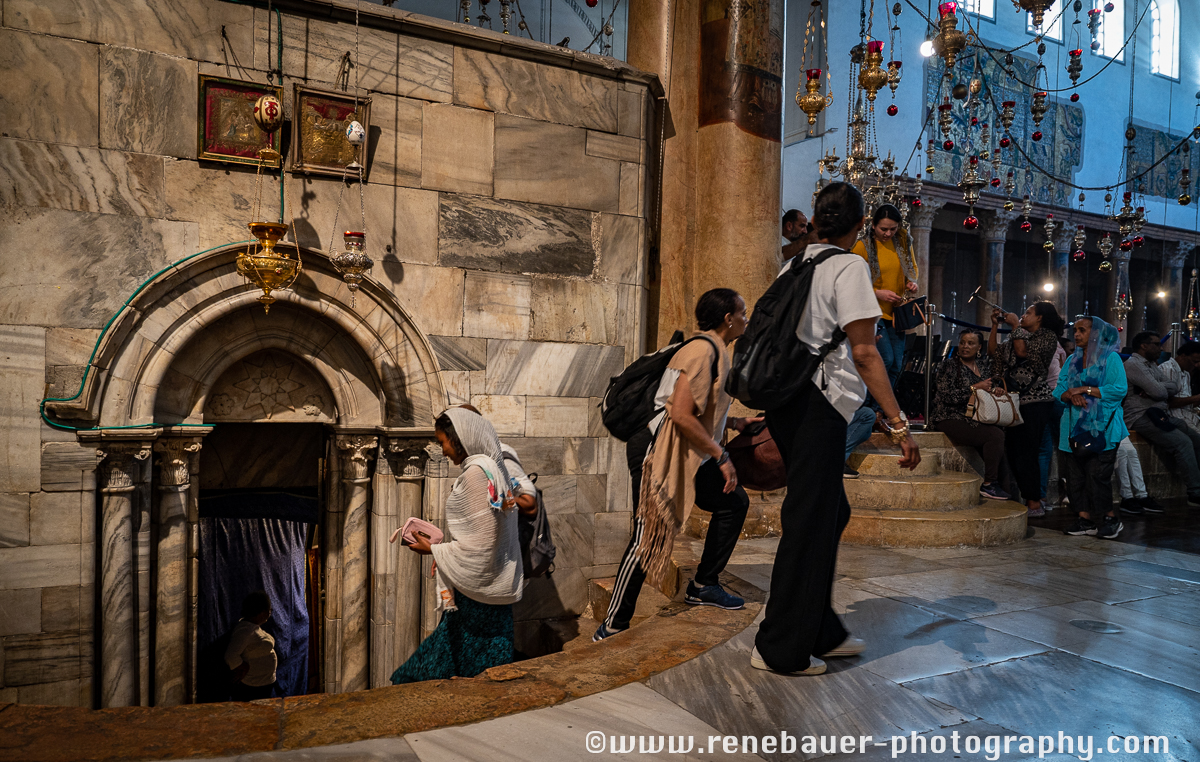
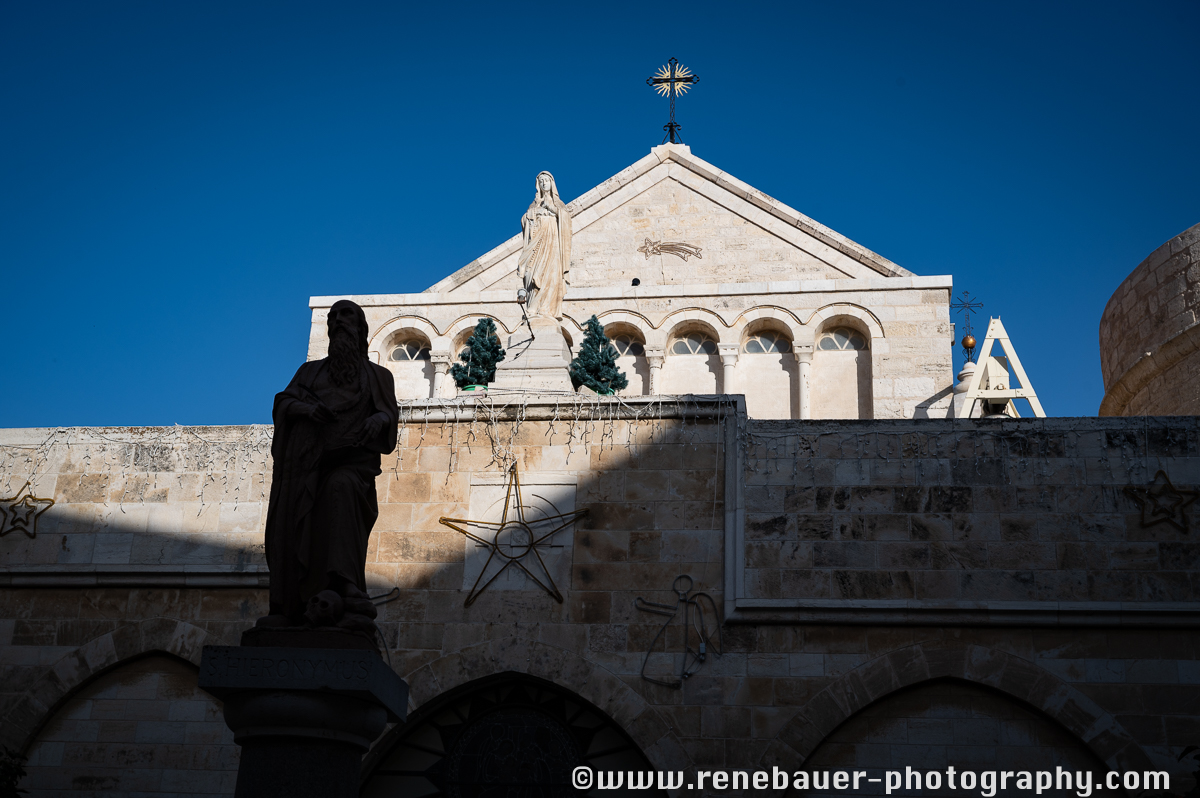
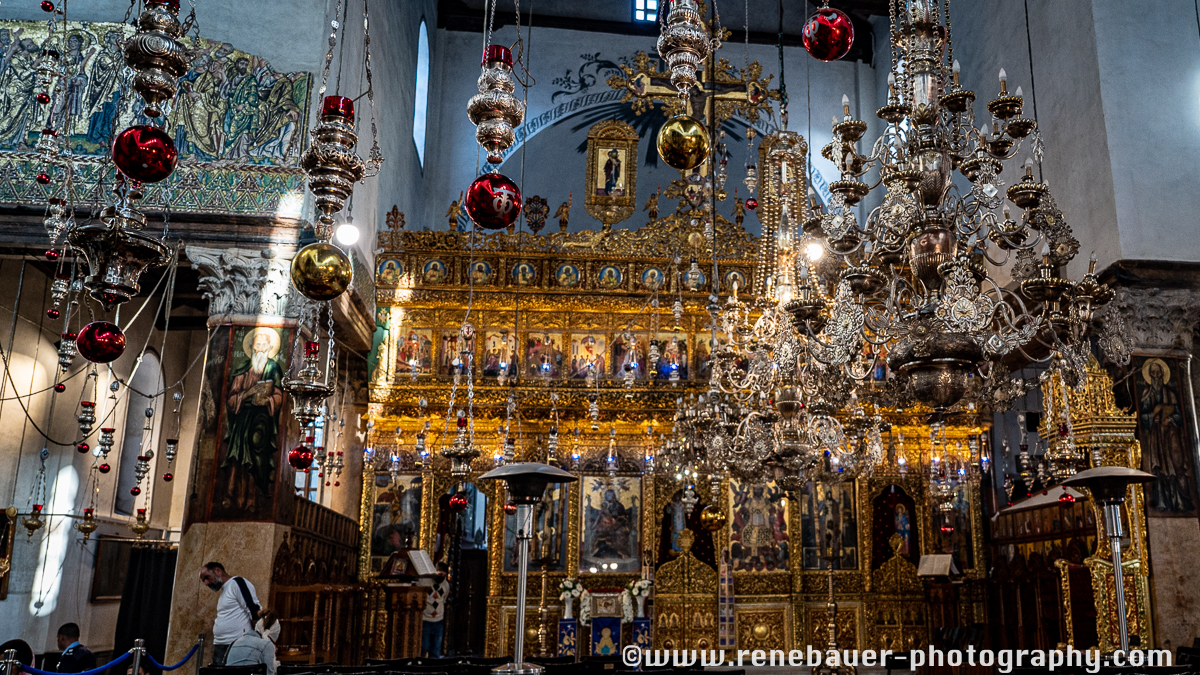
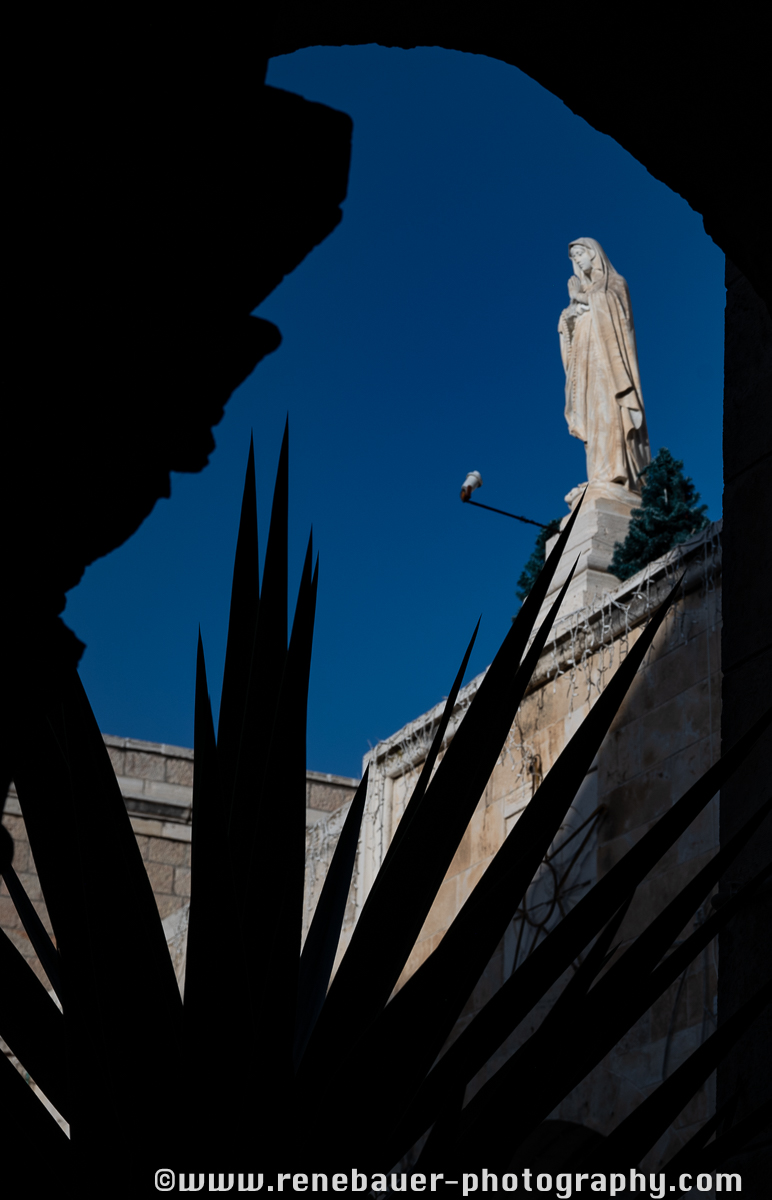
The main program lead to the spot where, according to the gospels and the belief of christians, Jesus was born in a little shack. Around this place a big church with several units and chapels were build.

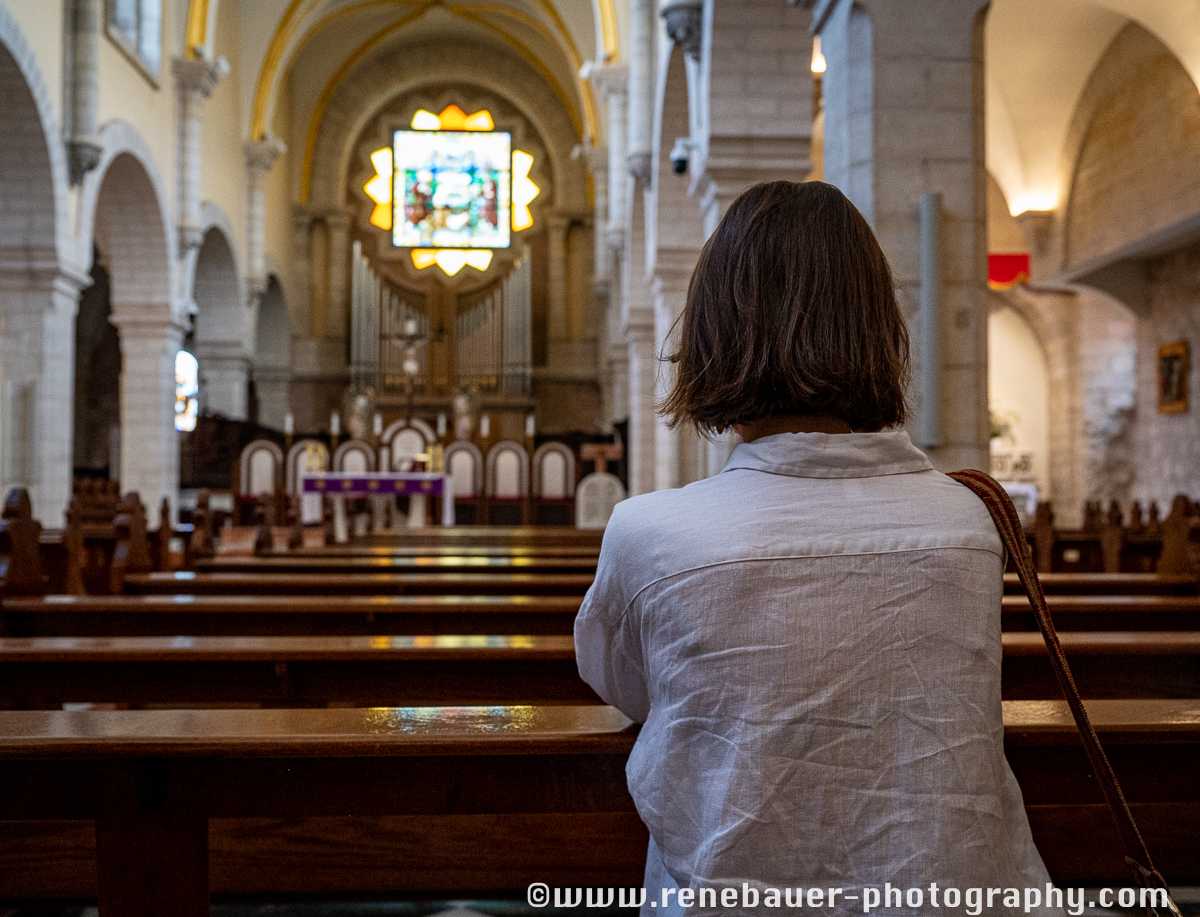
This Church Of The Nativity has different section according to different Christians churches, similar like the Church of the Holy Sepulchre in Old Jerusalem. And like there, here too they have this agreement of ‚Staus Quo‘.

Israel – Holy Places In Jerusalem (2/2)

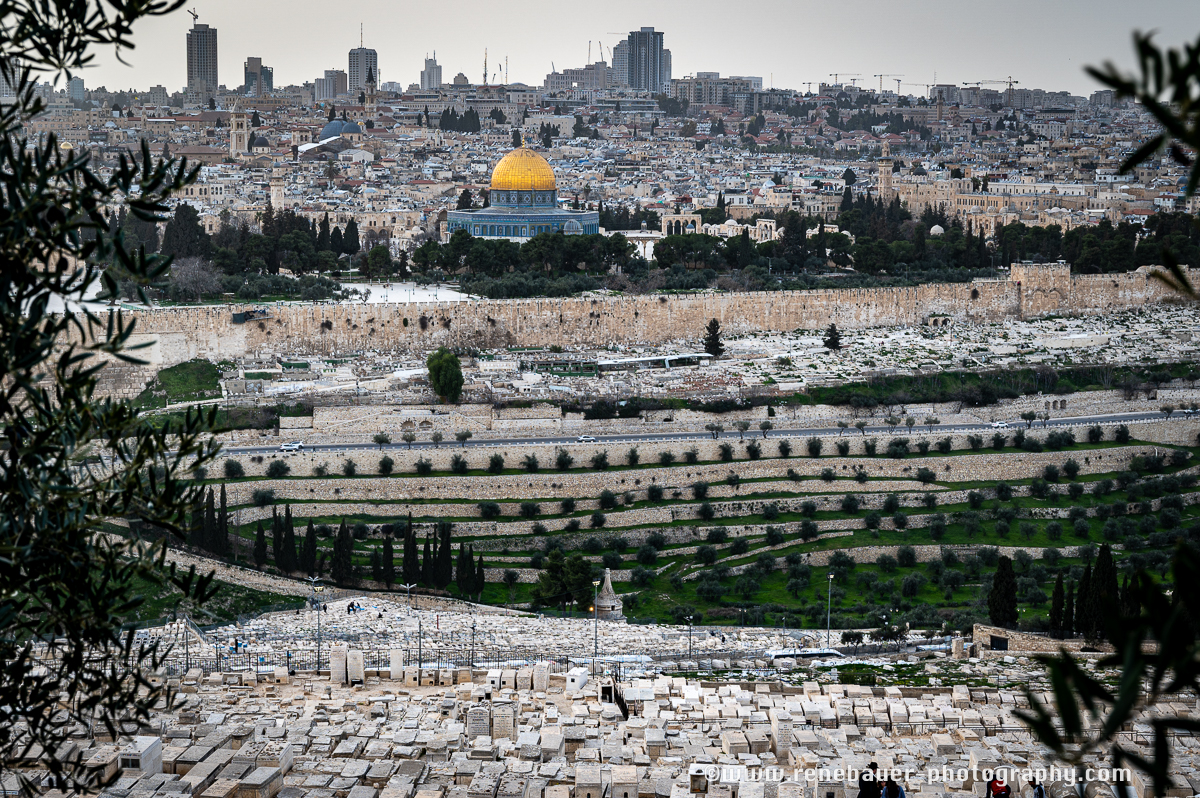
There was much more to see in this holy city. Most obvious the Dome of the Rock on top of the temple plateau.

The area is bigger than it seemed from below. Tina, the tour guide, lead us over a wooden ramp along the western wall to the plateau near Al-Aqsa mosque. From there the view opened to the famous Dome of the Rock.

Around the plateau are many trees and park like areas where family gathering for a picnic and kids playing happily. But in the middle of all stands raised in the middle the Dome of the Rock with shiny, golden Dome.

To my surprise a group of orthodox Jews appeared on the spot. Actually it’s not allowed to Jews to come near to the holy of holies before the „new temple“ is erected. Tina explains us, it’s allowed to walk along the top of the wall of the plateau, but not getting to close to the centre. These groups are always escorted from a bunch of Israeli police for protection, but also from muslim watchmen, who not allow them to get to close on their holy buildings.

The last stop was on the Church of the Holy Sepulchre. That place where Jesus supposed to be crucified, buried and resurrected from the tomb. Not less than six different Christian churches claiming the right to control that spot. The Roman Catholic, Greek Orthodox, Armenian Apostolic, Coptic, Syriac and Ethiopian Orthodox. Over the centuries they fight about the right to be holier than other ones, until it came to an agreement in 1757, so called Status Quo, which says, there can be changed or removed only with the agreement of all the other five churches.

This leads to very disturbing stories, as the so-called immovable ladder. A simple, wooden ladder at one of the windows on the Armenian sector, which is at same spot since 1728 and can’t be removed because of the Status Quo.

Once inside the Church of the Holy Sepulchre, there are many rooms, halls and passages between the different sections and churches inside. Tania, our guide, explained a lot of the history, legends and rituals of each sector. But i can’t stop wondering and observing the lot of pilgrims coming from all over the world, kneeling in front of a certain rock, touching a stone board in prayers or kissing an image of a saint.

Israel – Holy Places In Jerusalem (1/2)

Jerusalem isn’t that huge, but full of spots, which considered to be holy to religions as Jews, Christians and Moslems, and if you want so, also the many markets, which could be considered as places to worship the capitalism 😉

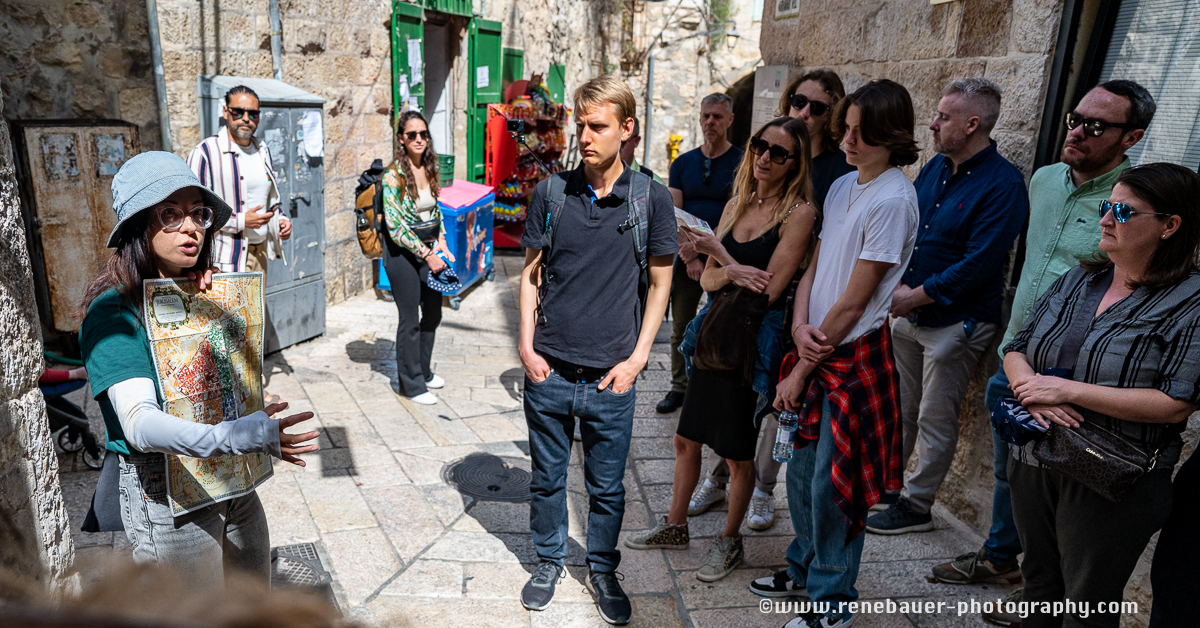
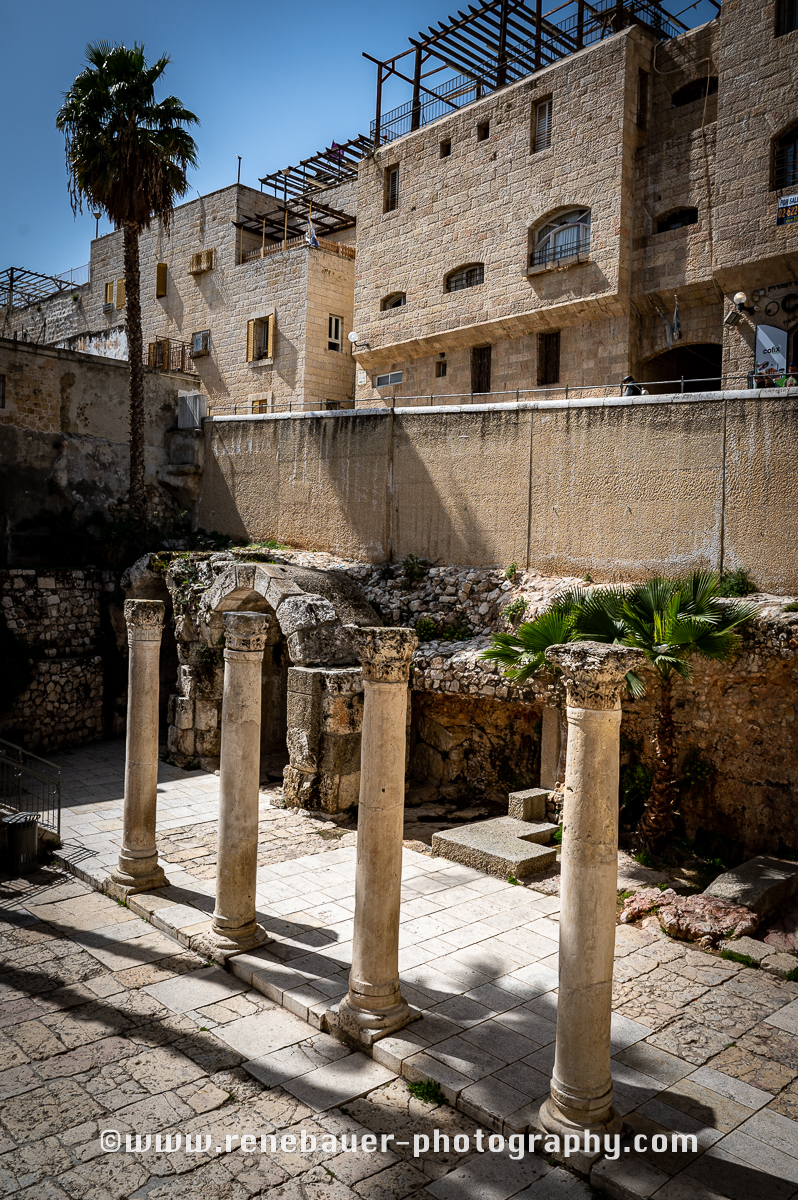
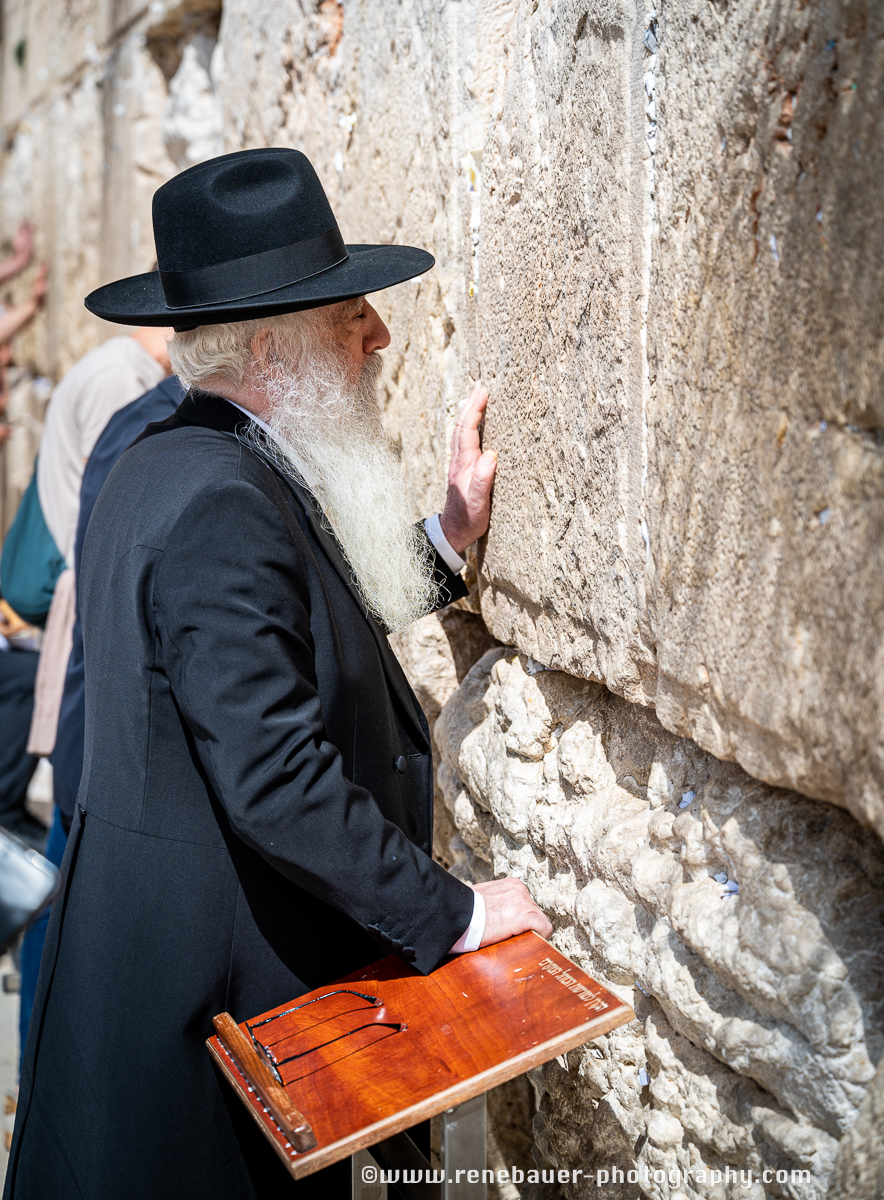
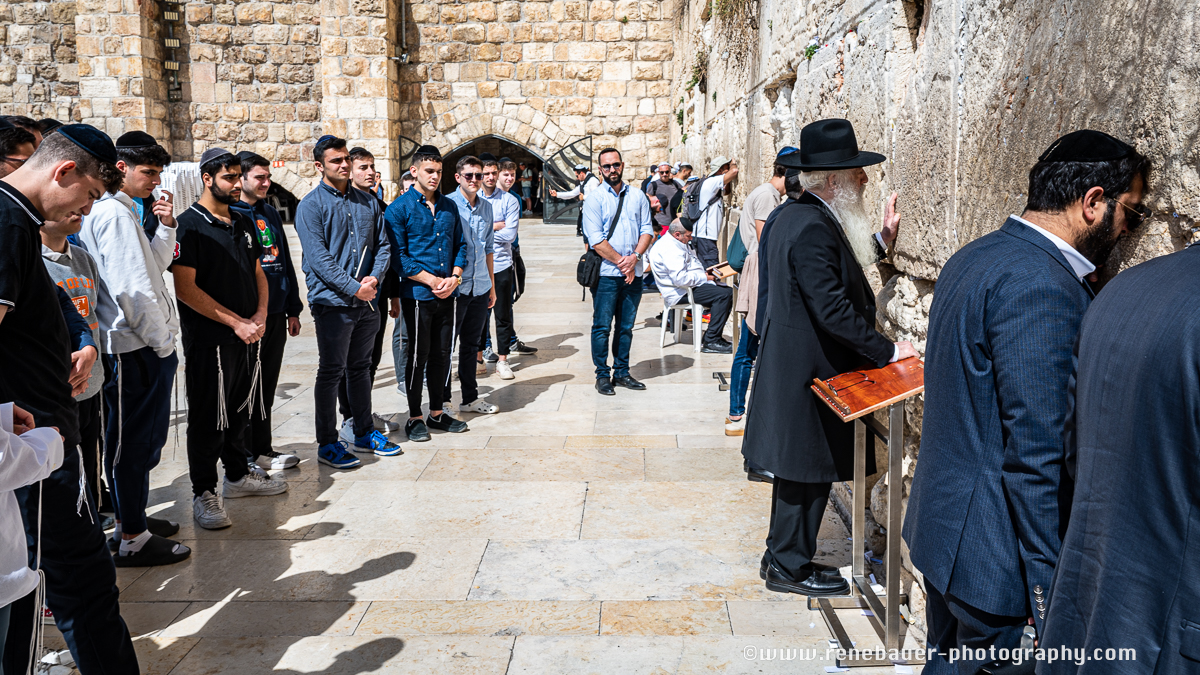
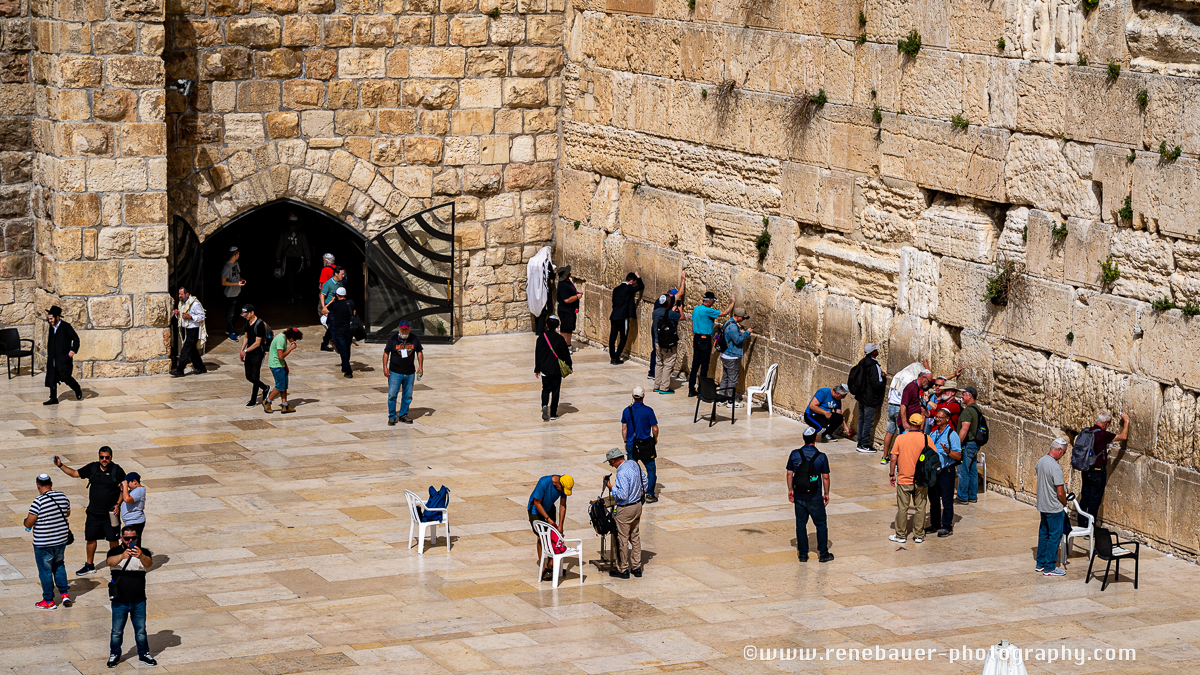
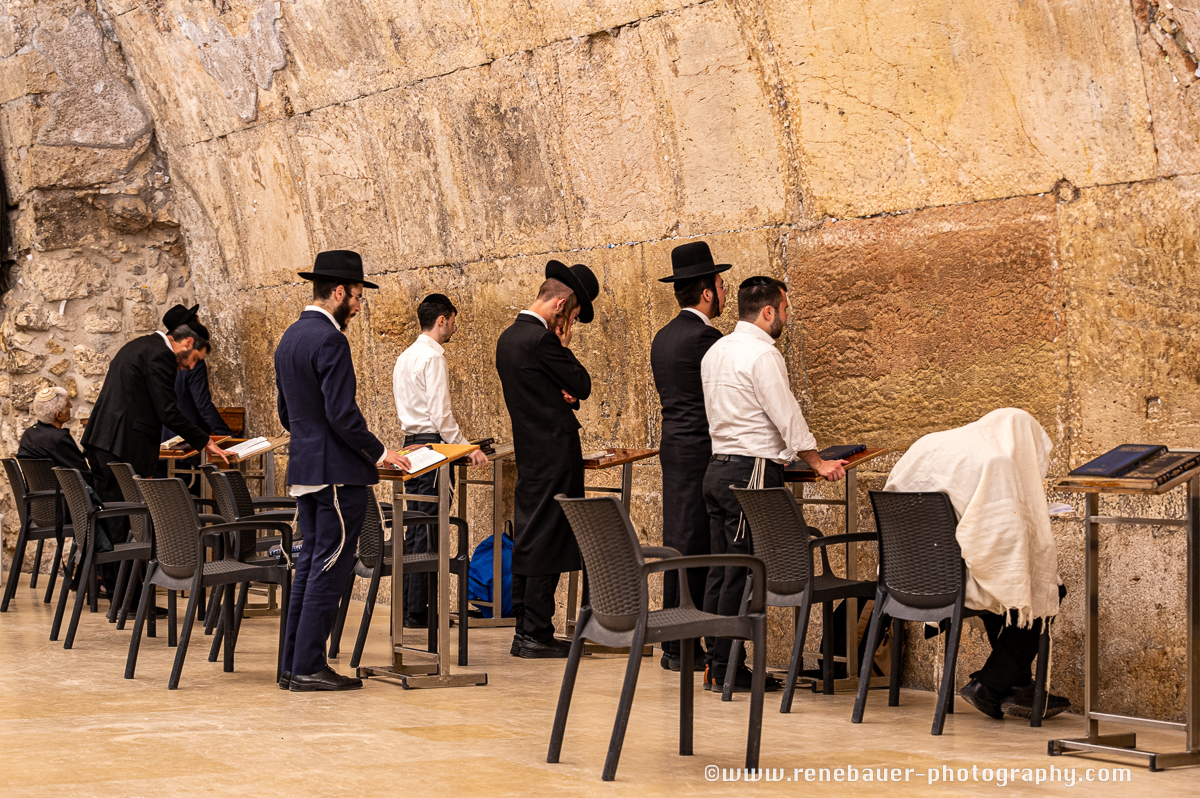
To visit most places and get more informations i joined a tour group for the day.. Tour guide Tania lead the group to the many interesting places. Starting in the Armenian quarter, stopping by at ancient Roman columns, we arrived one of the highlights on this tour. The Western Wall, also known as Wailing Wall!

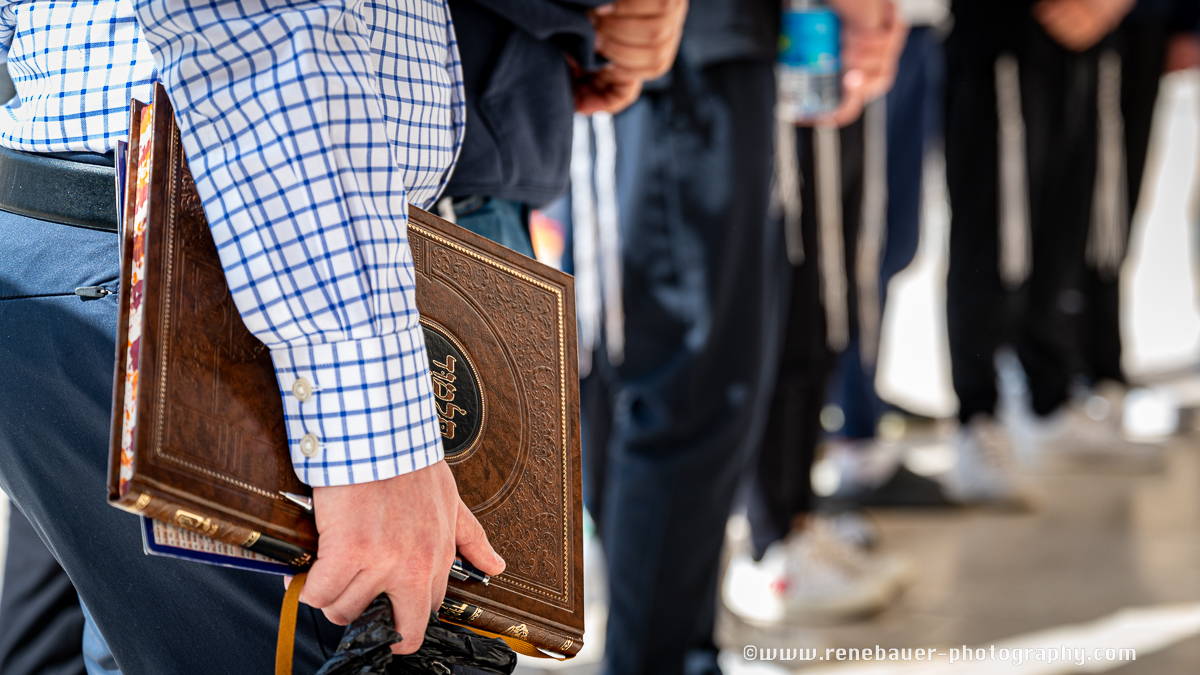
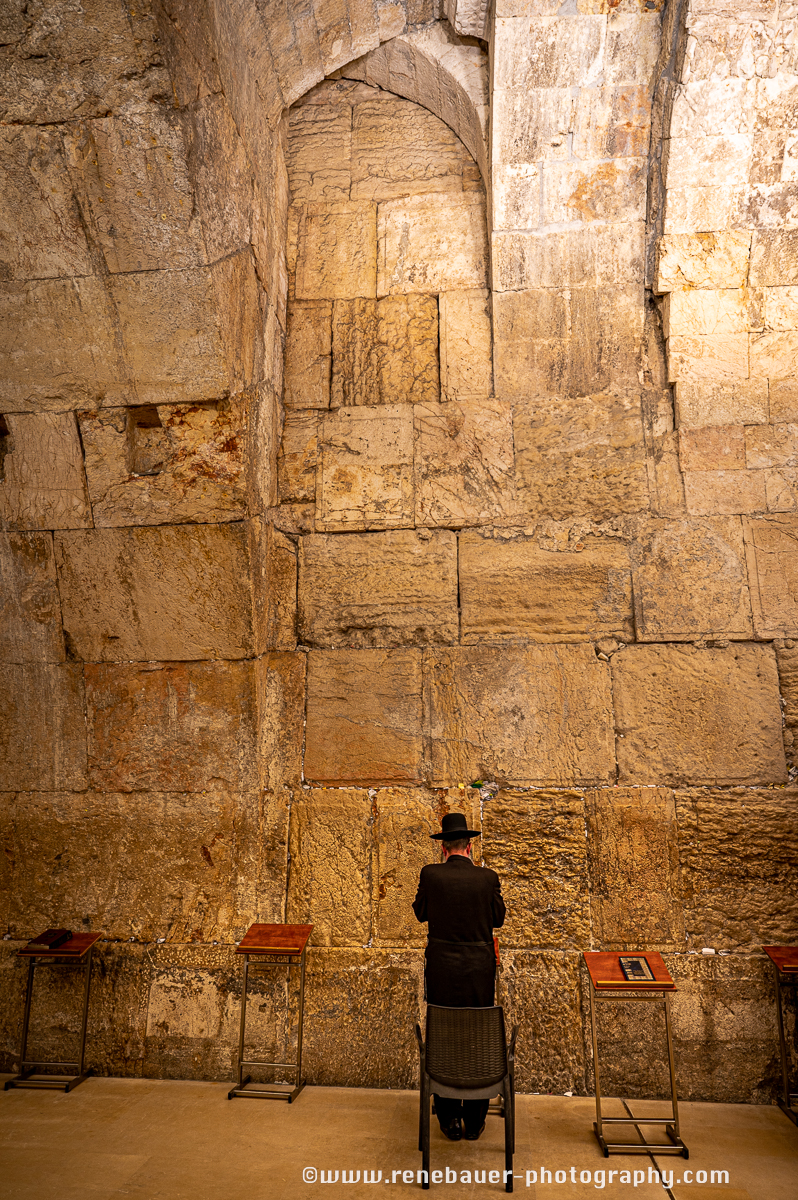
The Jews coming here to pray, because it’s the closest spot to the former most holy place within the ancient temple. It’s not only a place to pray, but also to study and teach. A rabbi appears with a big group of young believers. A film team is following them. Seemed to be quite a famous guy.

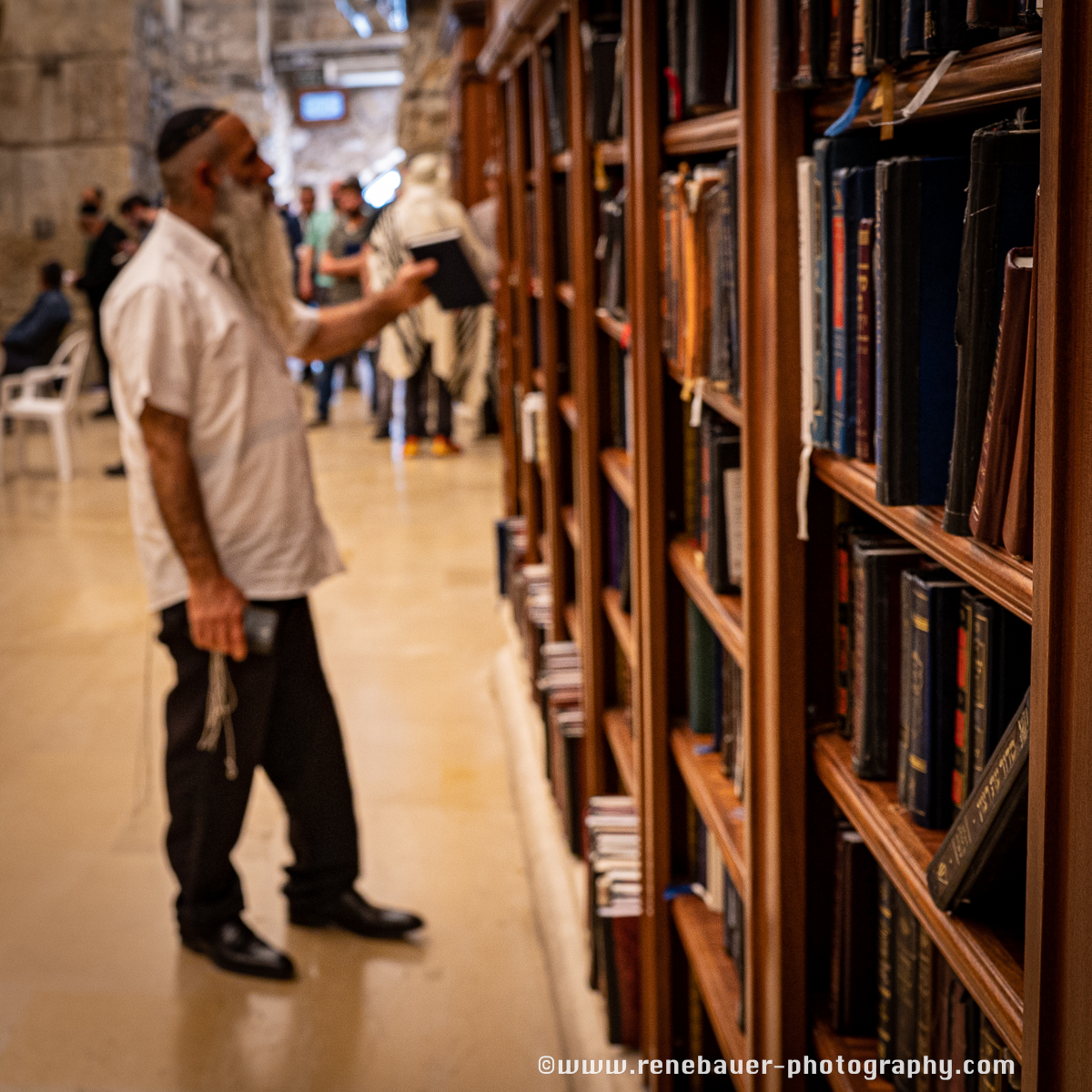
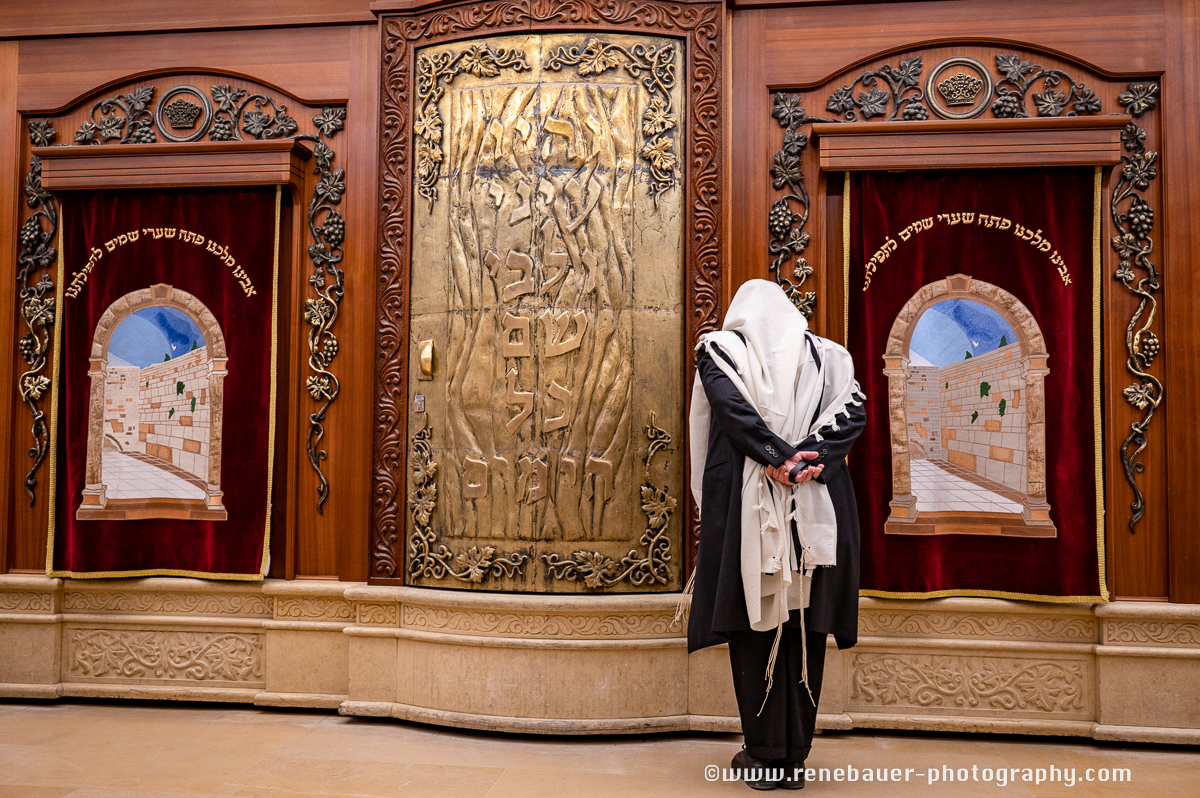
Left to the open square, the wall continued behind a big gate into great halls, or tunnels respectively. More prayers inside there. To my surprise, there’s also a big library with books and texts to study.

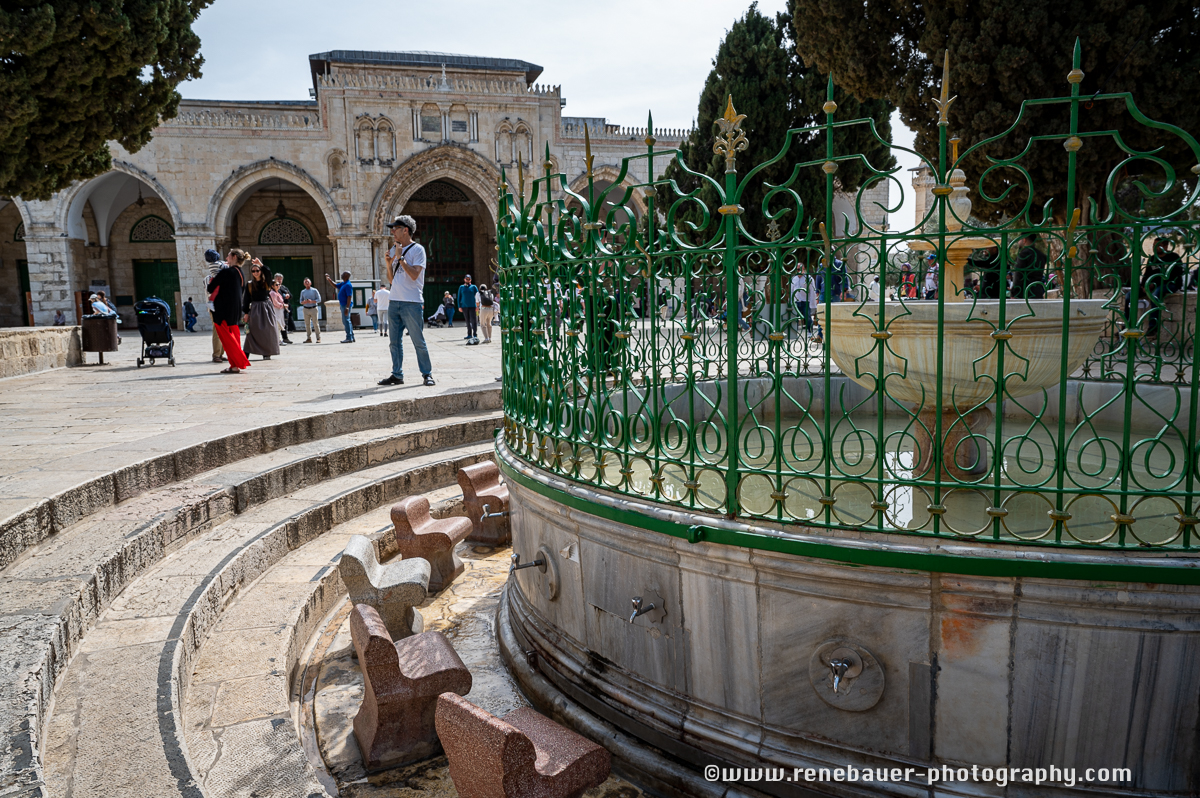
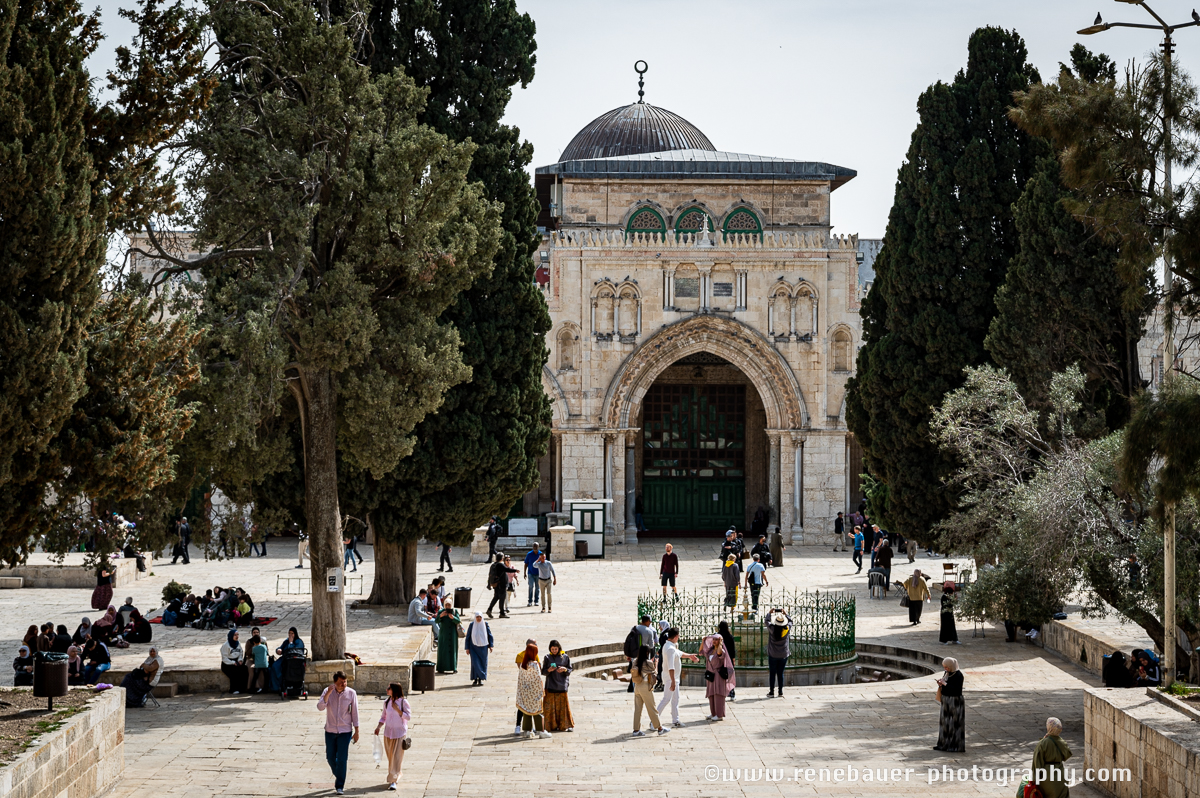
On the top of the temple plateau lies not only the famous Dome of the Rock, but als the third important mosque of the islam, the Al-Aqsa mosque. There’s no way to get in for non-believers, but at least i got look on it and the square in front of.

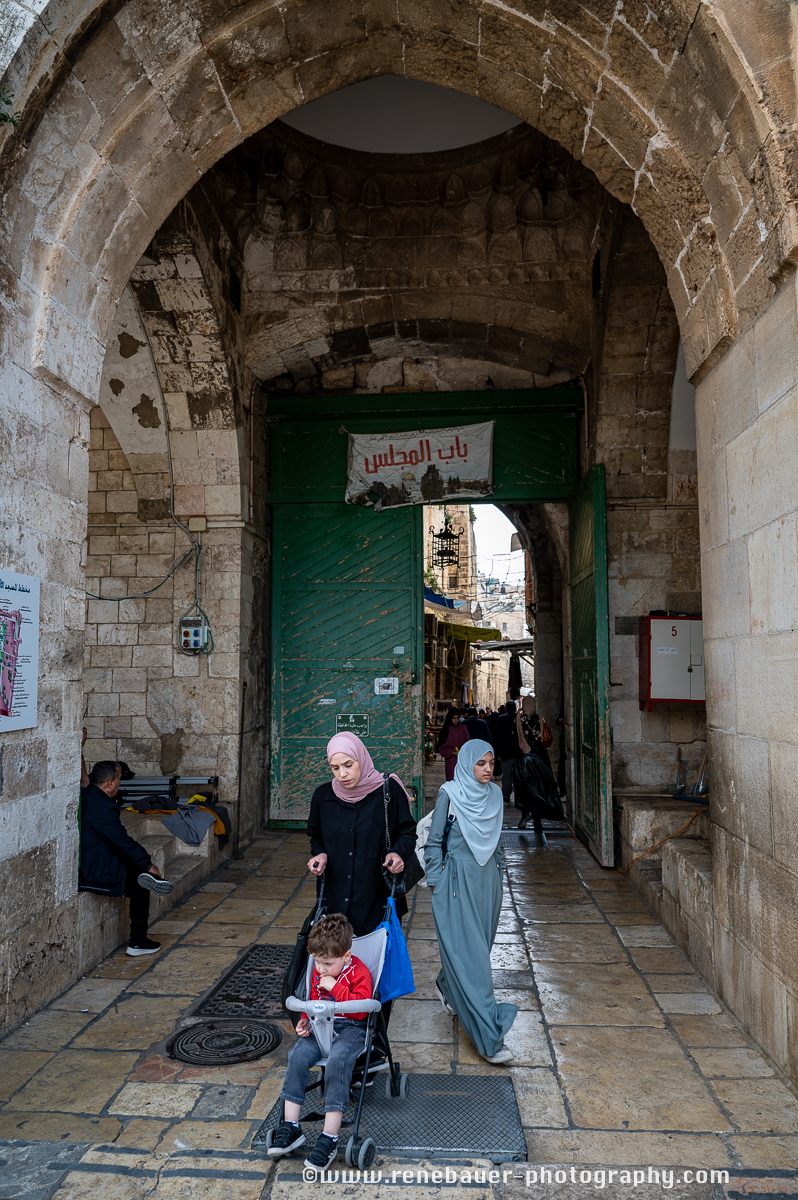
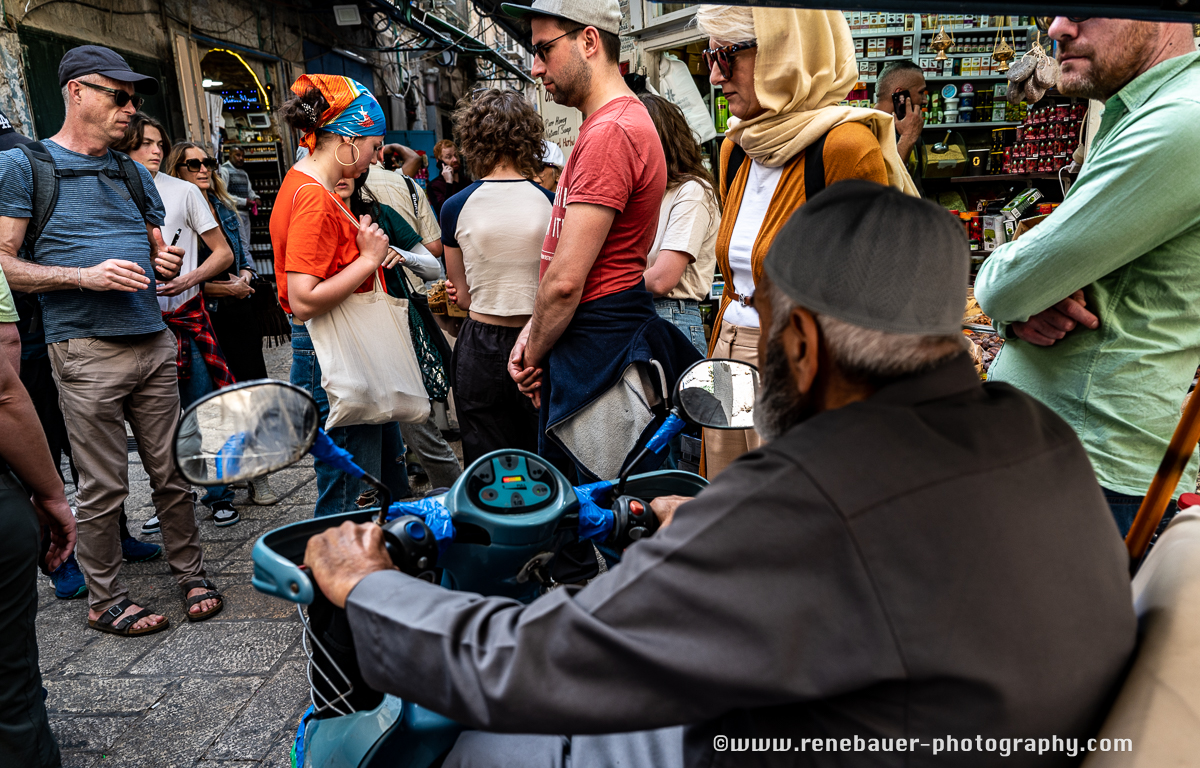
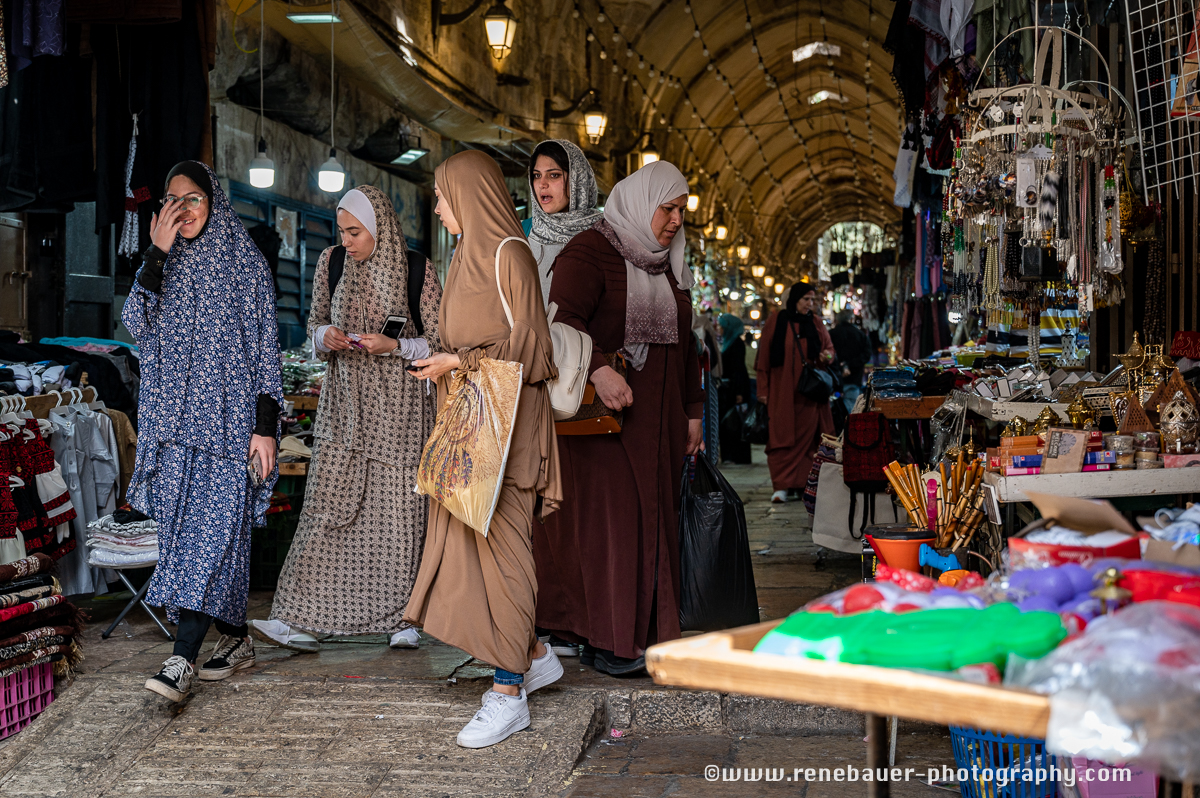
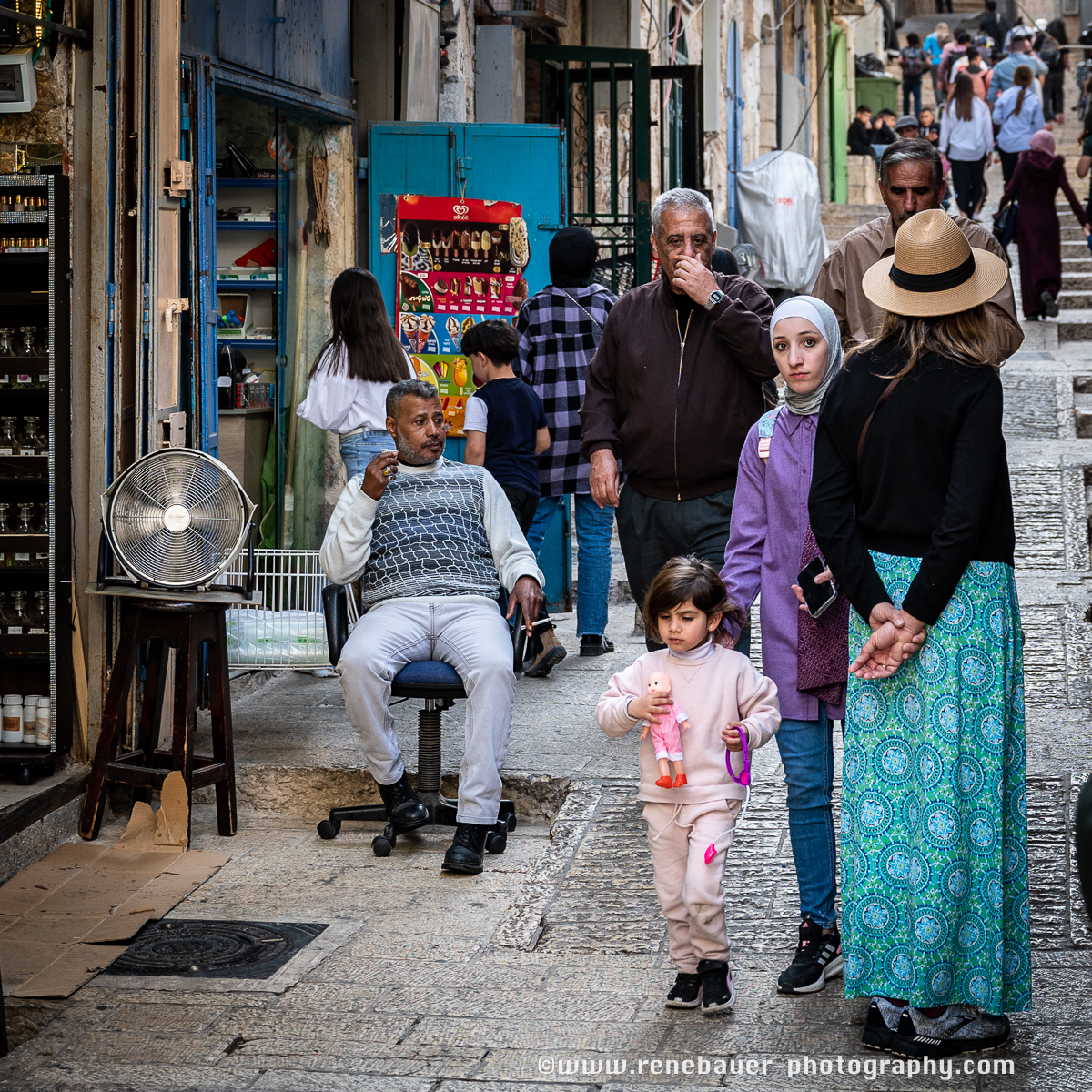
Around the temple plateau are narrow streets with markets. Between all the tourists and local shoppers a procession of pilgrims carry a wooden cross along the Via Dolorosa.

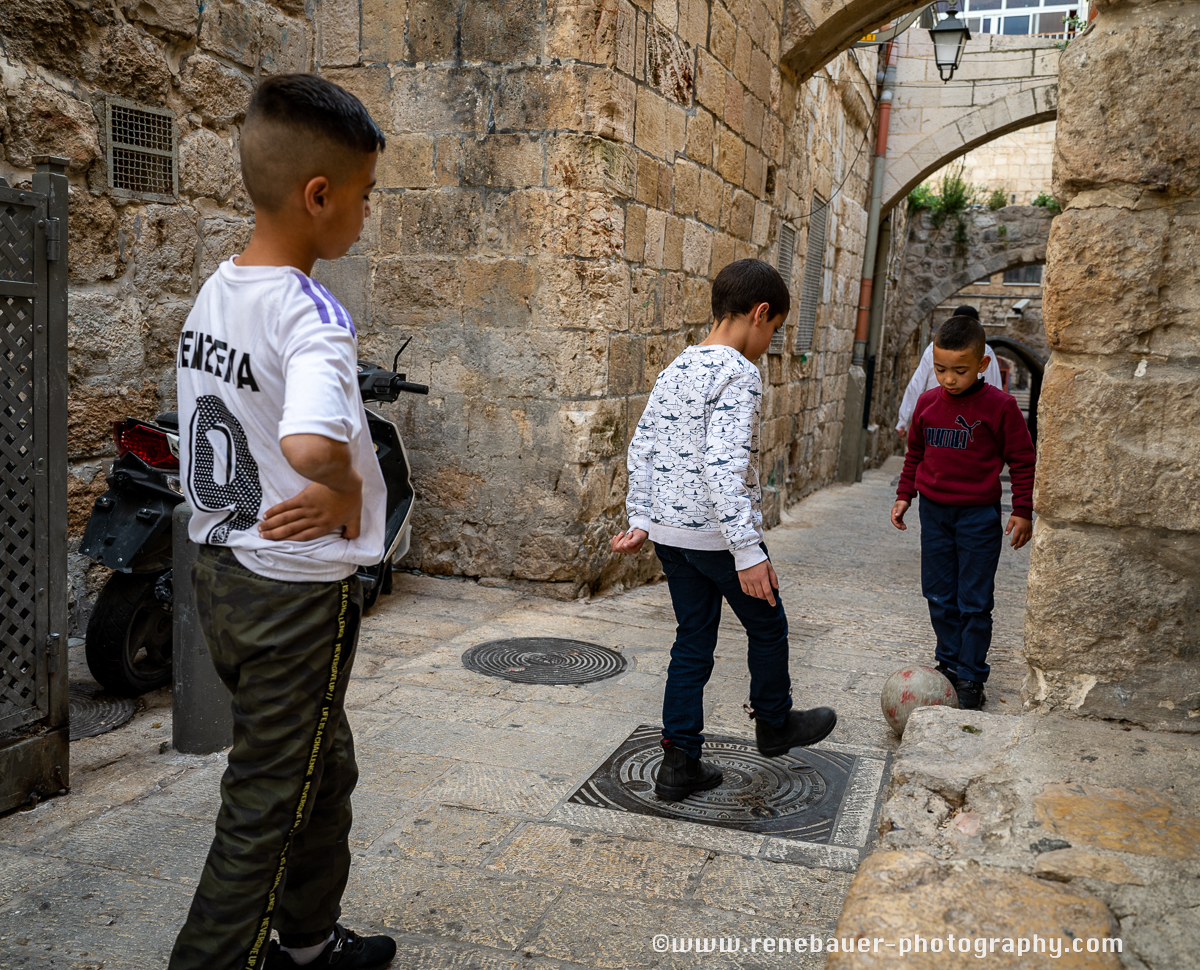
I come trough one of the city gates past playing children. Outside are big cemeteries, jewish and muslim ones. Between them lies the Garden of Gethsename with its old olive trees. Just behind it the ascent of Mount of Olives starts. From the top is a stunning view back to the old city, the city wall and the temple plateau with the Dome of the Rock. But more about it tomorrow.

Incwala – Die Königszeremonie in Eswatini

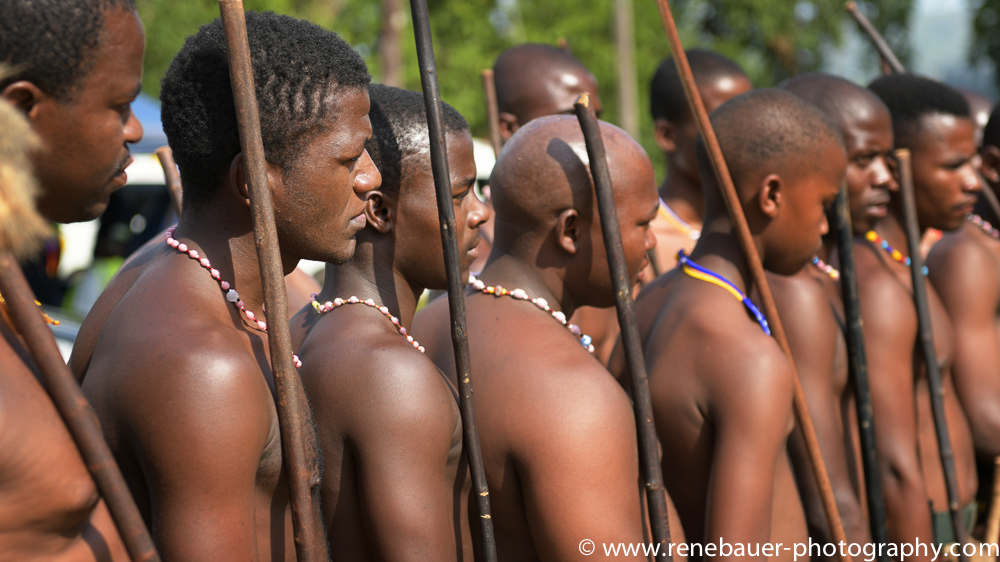
Ein Schritt nach links, ein Schritt nach rechts, und jeder vierte wird gestampft, begleitet mit „shh-shh“-Geräusche. Die meisten Krieger gucken ernst nach vorne, doch als ich zögernd in ihre Reihe trete, machen sie bereitwillig Platz und erklären mir den simplen Ablauf der Schritte. Der junge Swazi rechts von mir will wisssen woher ich komme. Aus der Schweiz, antworte ich. „Ahh, Xhakaaa…„, grinst er mich an. Erstaunt nehme ich war, dass er deutlich mehr über diesen Schweizer Fussballer weiss, denn ich selber. Ein älterer Herr in der vorderen Reihe guckt ernst zurück und wir konzentrieren uns wieder auf die monotonen Tanzschritte.

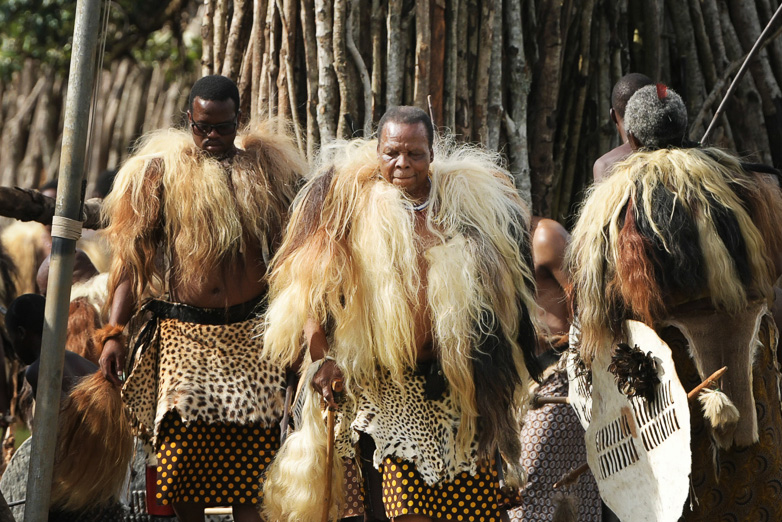
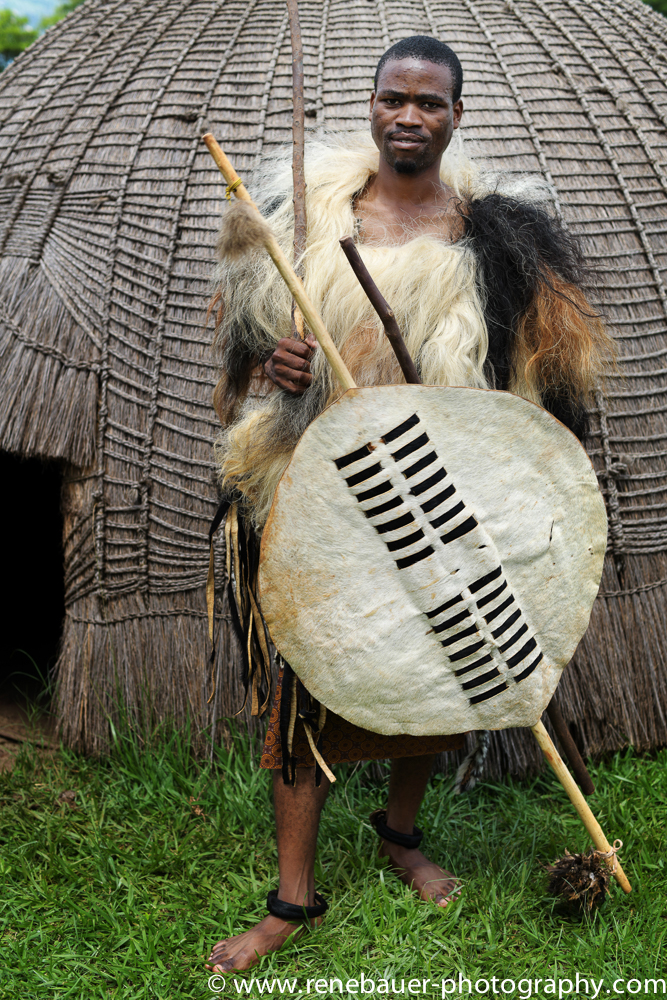
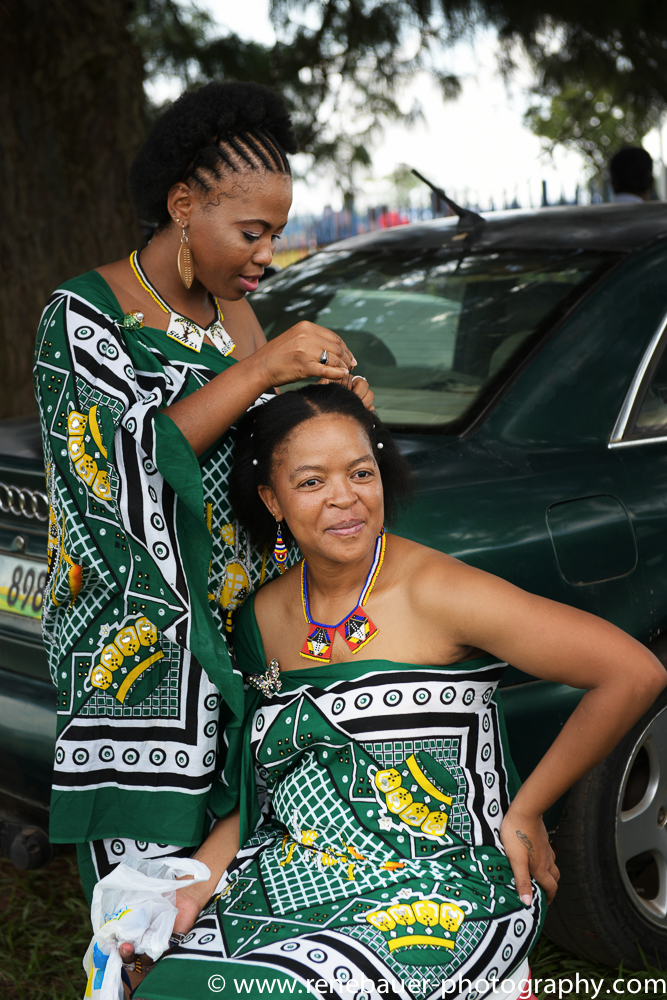
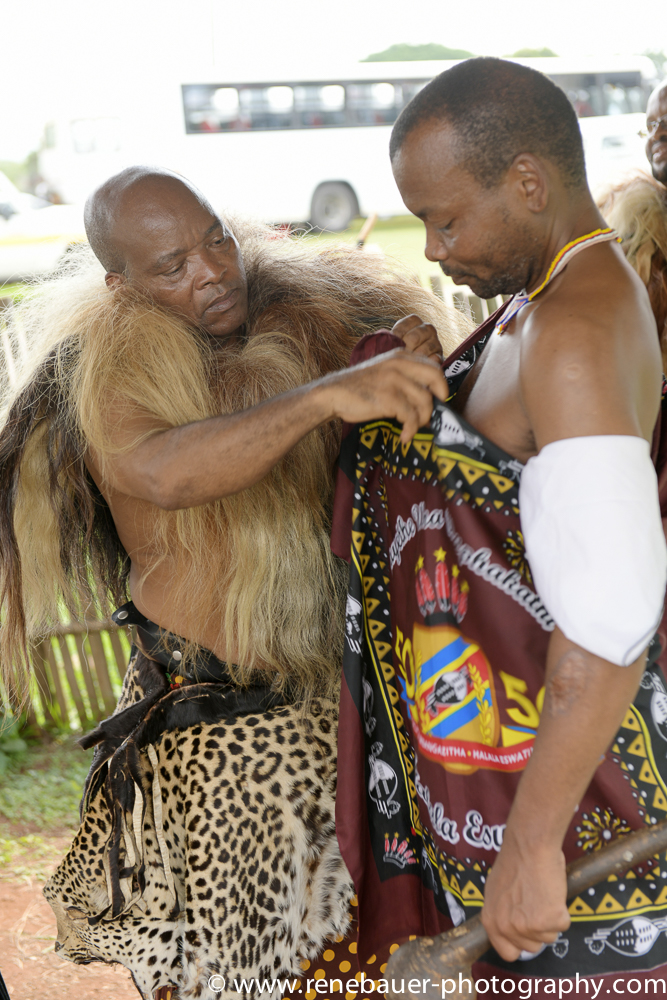
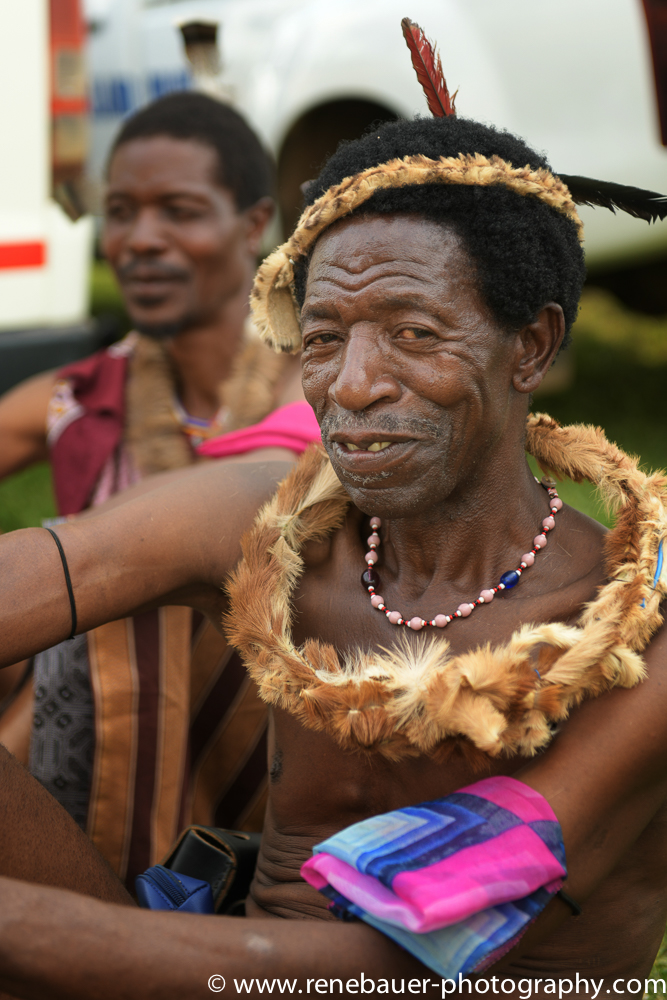
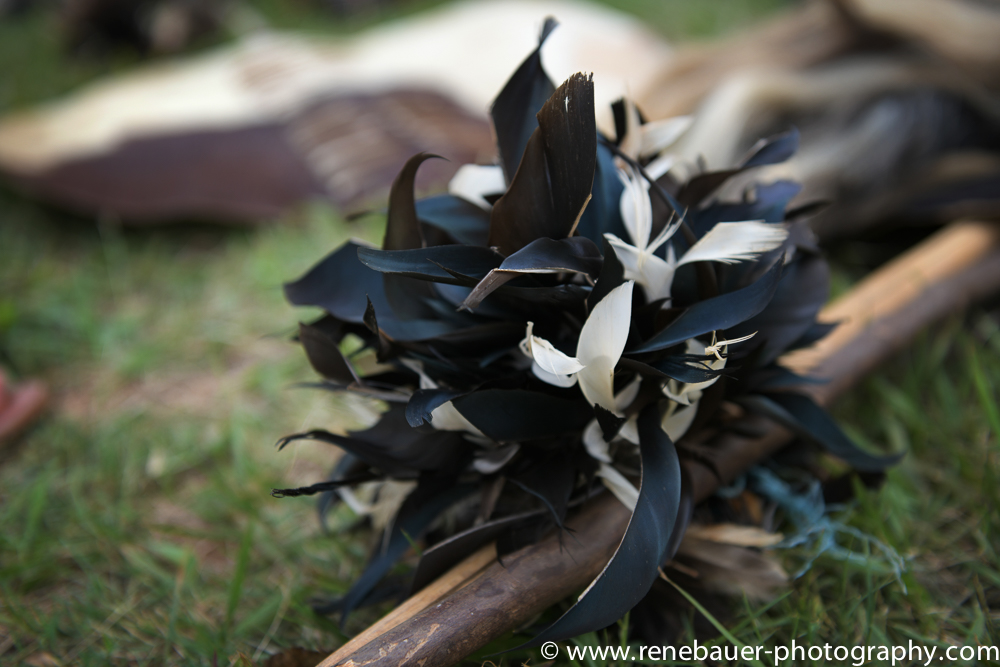
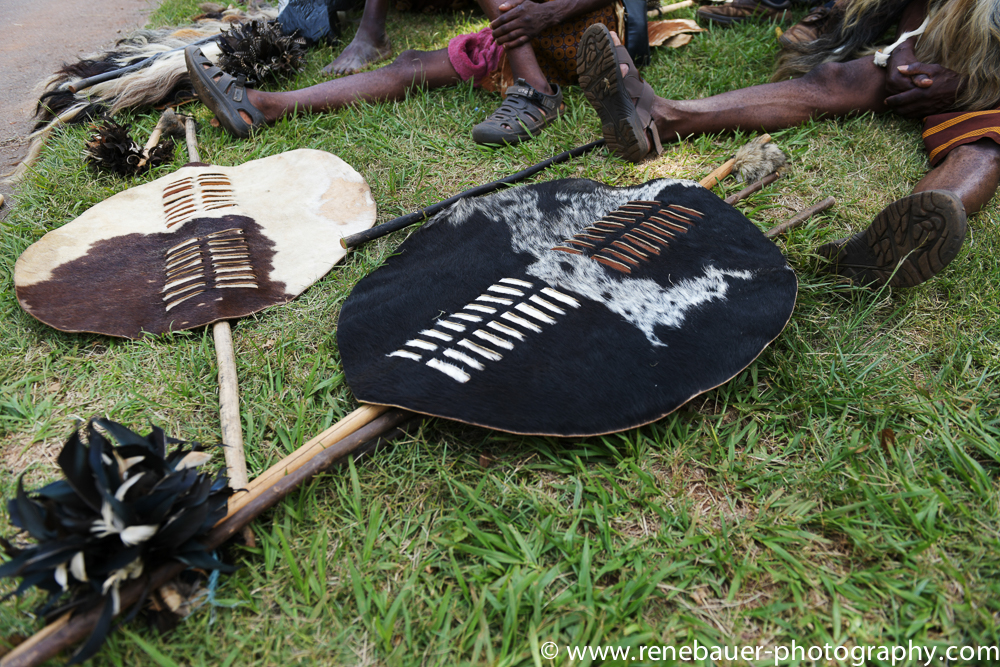
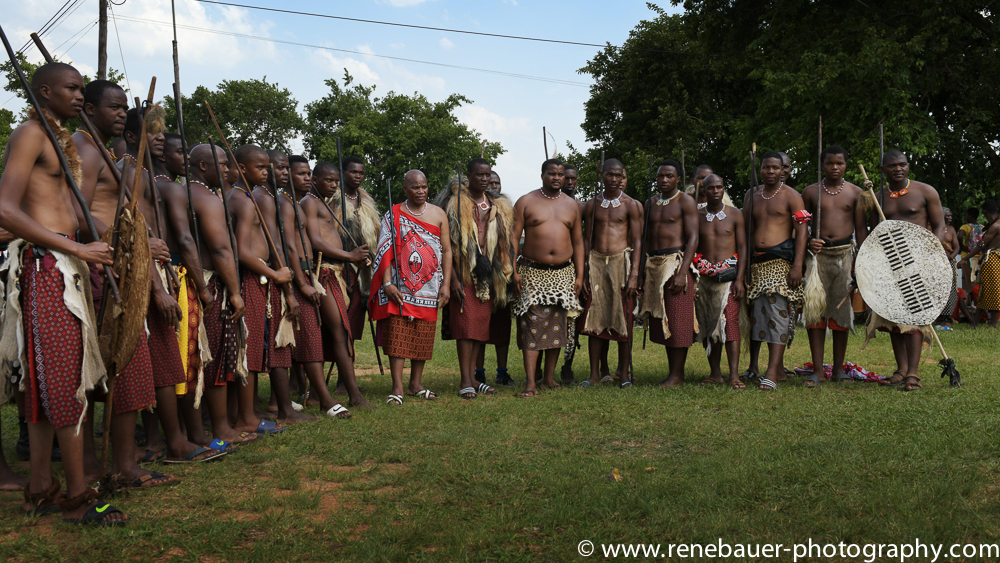
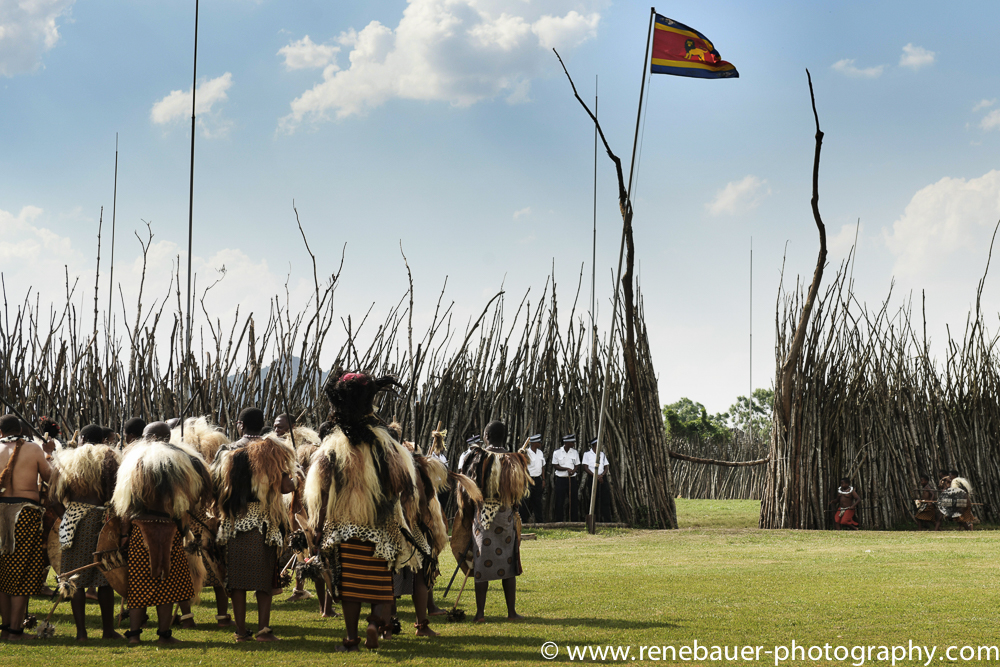
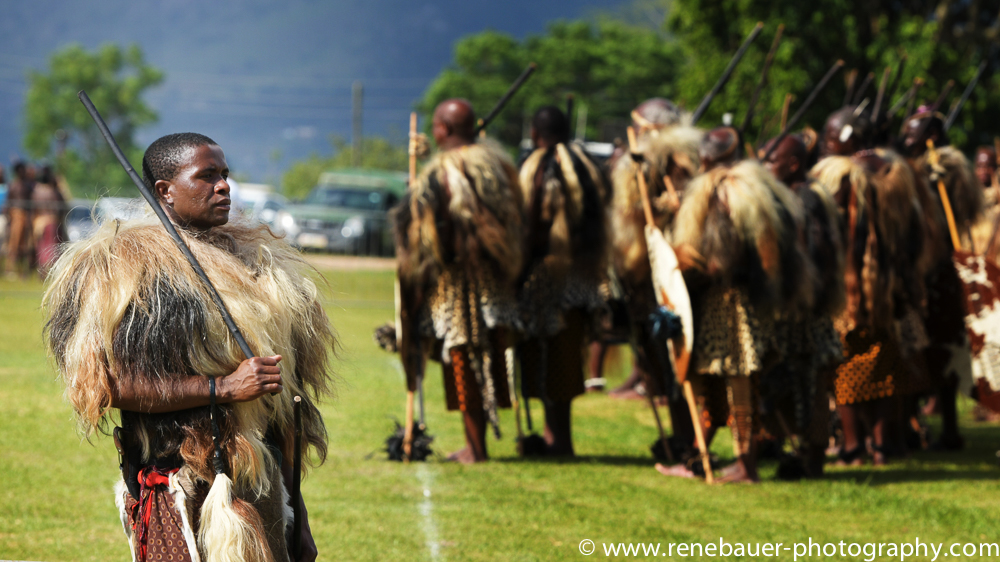
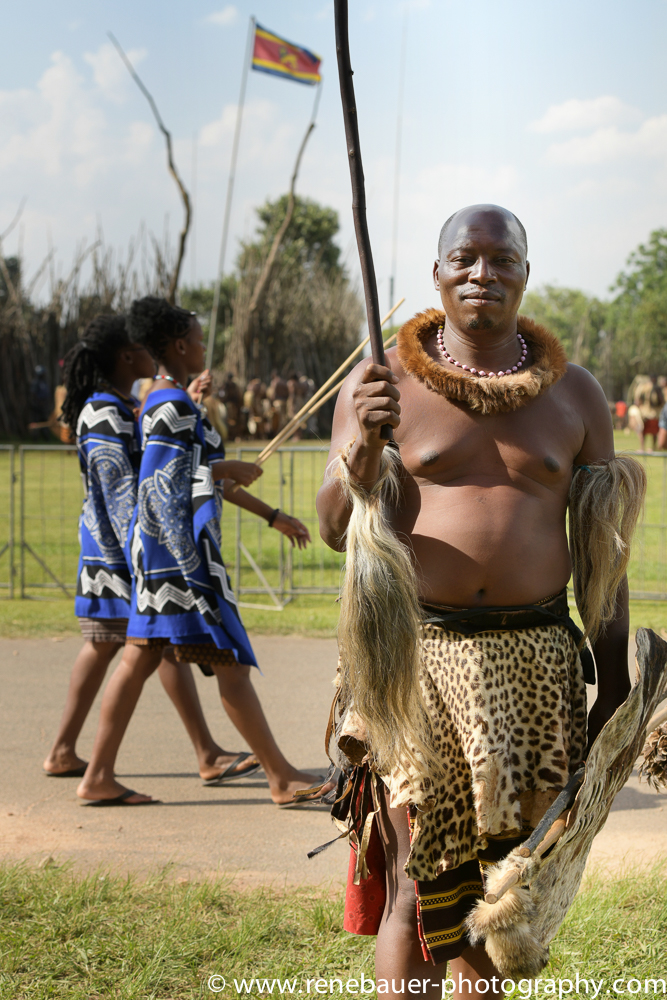
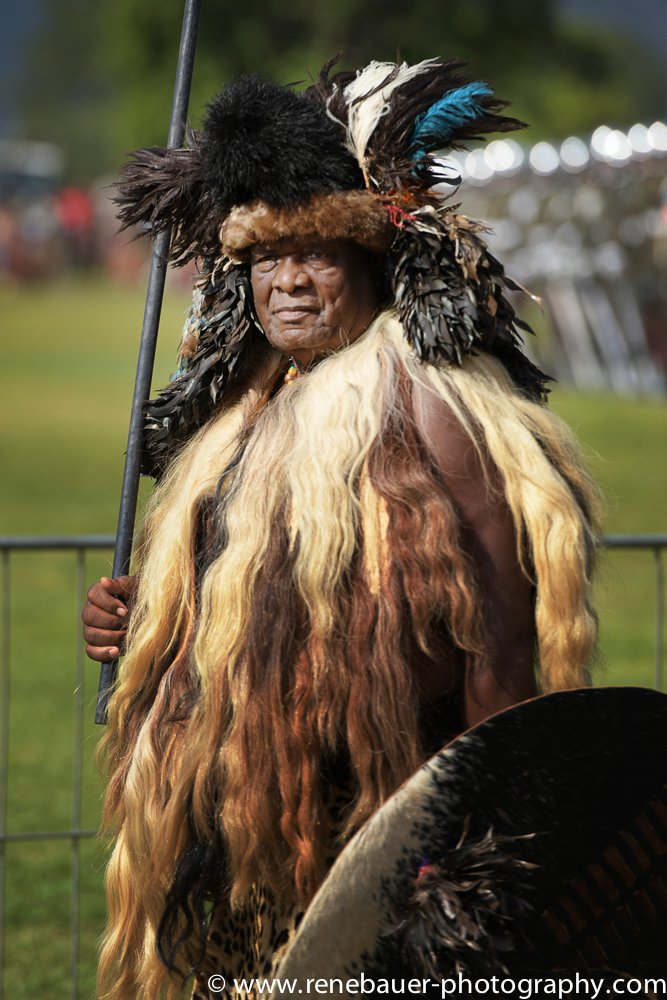
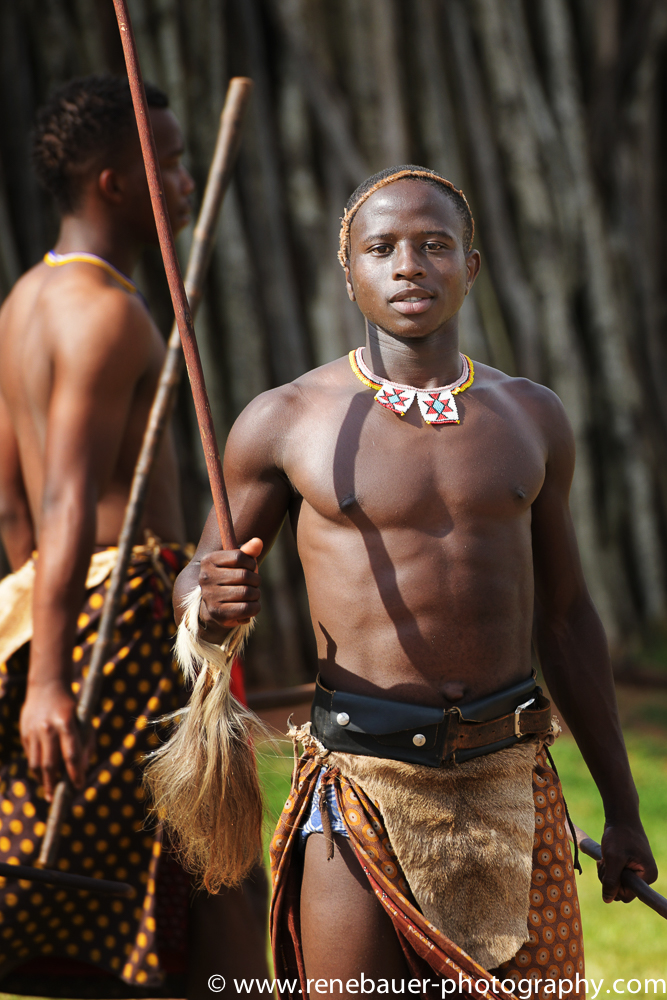
Ich befinde mitten in der Incwala, einer der heiligsten und grössten Zeremonie des Königreich Eswatini. Der Höhepunkt des mehrtägigen Festes findet im Innern eines grossen Kraals mit bestimmt 100 Meter Durchmesser und drei Meter hoher Zaun aus dicken Holzästen und Stämme statt. Auf der einen Seite reihen sich die Swazi Krieger in ihren traditionellen Kleider auf. Dazu gehört das mit Stolz um die Hüfte getragene Leopardenfell, aus Kuhschwänze fabrizierten Umhang, ein Schild aus Kuhleder, ein Kopfschmuck mit kostbaren, bunten Federn und dunkle Stöcke, die übern Kopf geschwungen werden.

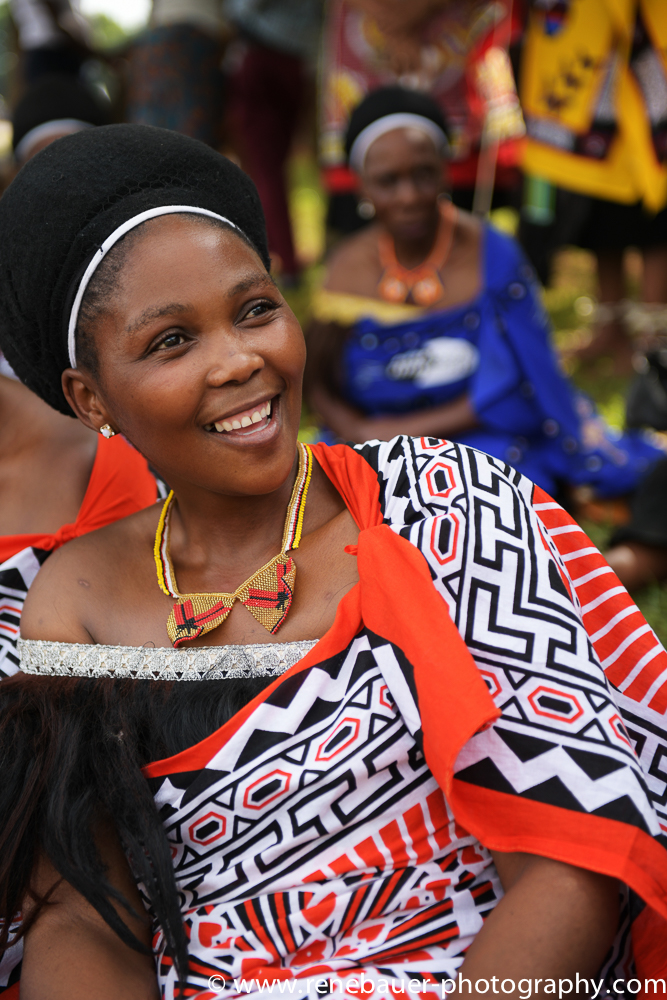
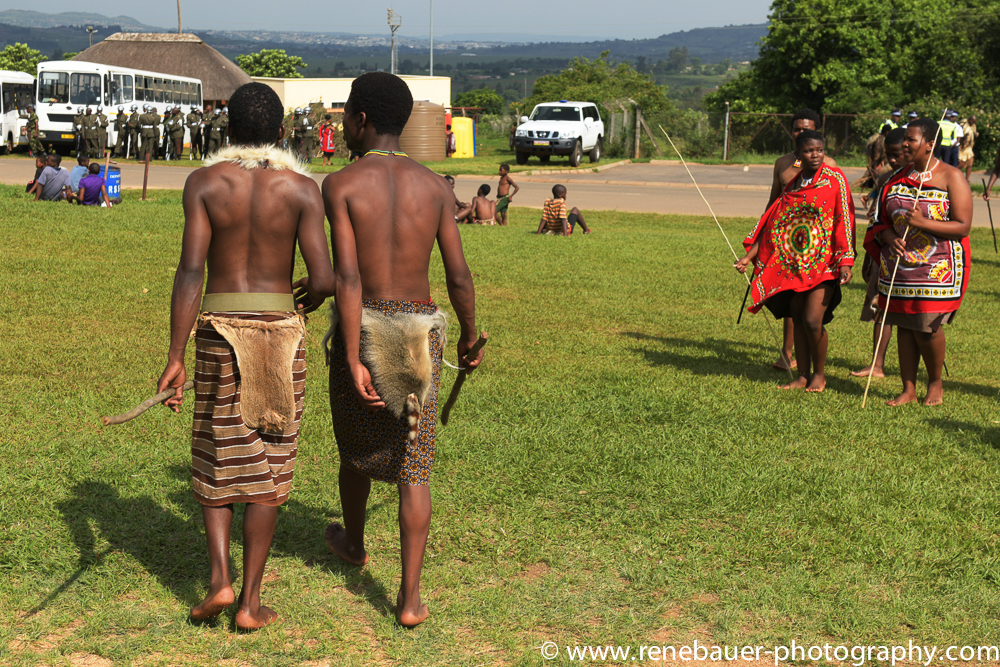
Auf der gegenüber liegenden Seite des Kraal stehen bunt gekleidete Frauen in Gruppen, ebenfalls tanzend und singend. Statt eines Stockes balancieren sie einen hellen Zweig in der Luft. Nach und nach betreten auch barbusige Frauen und Mädchen den Kraal, nur mit einem sehr kurzen Rock bekleidet, und tanzen auf die Männer zu und zurück.

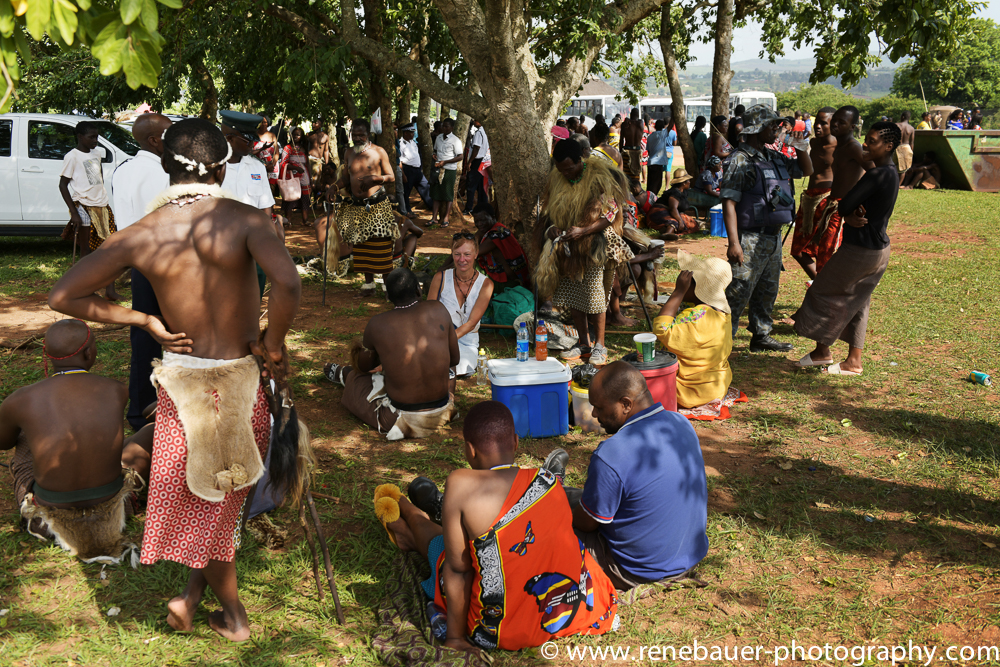
Eigentlich ist es Ausländer nicht gestattet sich innerhalb diesen Kraals aufzuhalten. Und eigentlich wusste ich noch vor einigen Tage nicht mal über die Existenz dieser Zeremonie. Doch dann brachte mich Ellen, eine Reisefreundin, hier her und machte mich auch noch mit einigen Leuten bekannt. Neben dem Tourismus-Minister und einigen Presseleute, begegnen wir auch einem Piloten der königlichen Familie und dem königlichen Hoffotografen. Schnell lernen wir, dass es nicht nur im heiligen Innern des Kraals ein Fotoverbot herrscht, sondern auch nur diskret direkt vor dem Kraal Aufnahmen gemacht werden dürfen. Was wiederum kein Problem darstellte ist das Fotografieren auf dem Platz rundum, wo sich Frauen und Männer auf die Zeremonie vorbereiten oder auf ihren Einsatz warten.

Trotz generellem Verbot werden einige Ausländer in den Kraal zugelassen. Das geht aber nur mit einer Bewilligung. Auch einige akkreditierte Fotografen dürfen sich für eine kurze Zeit darin bewegen und Fotos machen. Der Hoffotograf bemühte sich für Ellen und mich um eine solche Bewilligung, was aber zeitlich zu kurzfristig war. Immerhin erreichte er, dass Ellen, auf der Frauenseite, und ich bei den Krieger, in den Kraal gelassen werden.

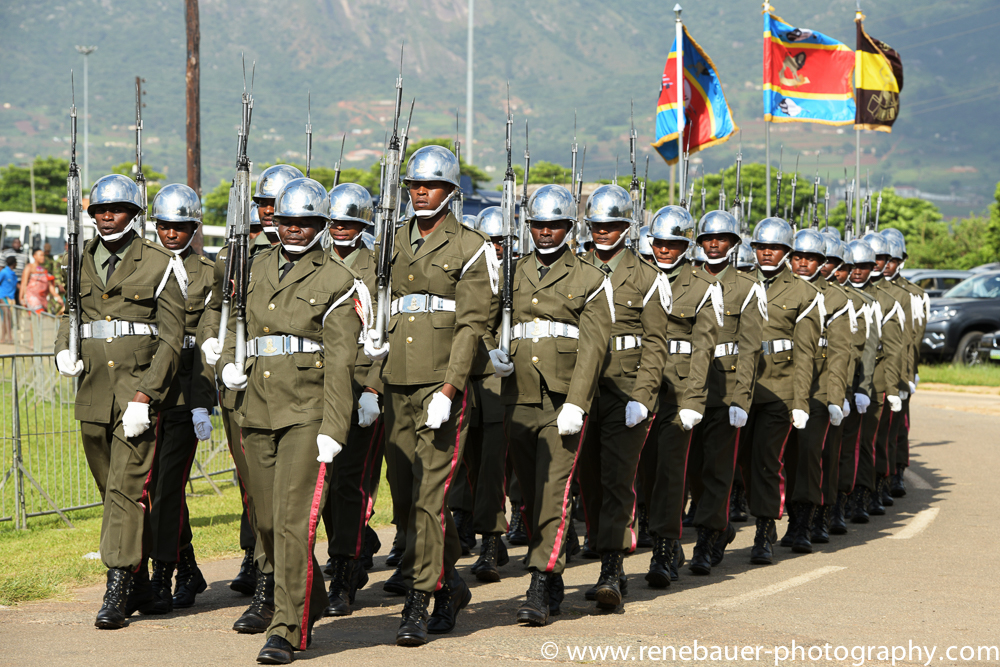
Es wird Zeit für den König von Eswantini, Mswati III, der in seiner ganzen Pracht und mit riesigem Schmuck die Szenerie betritt. Im Schlepptau seiner persönlichen Leibgarde, ebenfalls in traditionellem Kriegsgewand, schreitet er den Kraal ab, reiht, nur etwa 20 Meter von mir entfernt, sich bei seinen Krieger ein und stampft mit. Das geht über mehrere Stunden weiter, ohne dass sich wirklich grosse Variationen oder gar Aktionen erkennen liess. Dann, als sich die Kriegerschar in das Zentrum gestampft hatte, wurde ich höflich, aber bestimmt, gebeten, wie alle anderen Ausländer auch, den Kraal zu verlassen. Draussen fand ich Ellen, die ebenfalls aus ihrer Frauentanzgruppe ausgeschlossen wurde. Zusammen verlassen wir den königlich-heiligen Platz und nehmen eine reiche Erfahrung mehr mit. Und auch einige fotografische Impressionen…