Israel – Jerusalem, the Armenian Museum

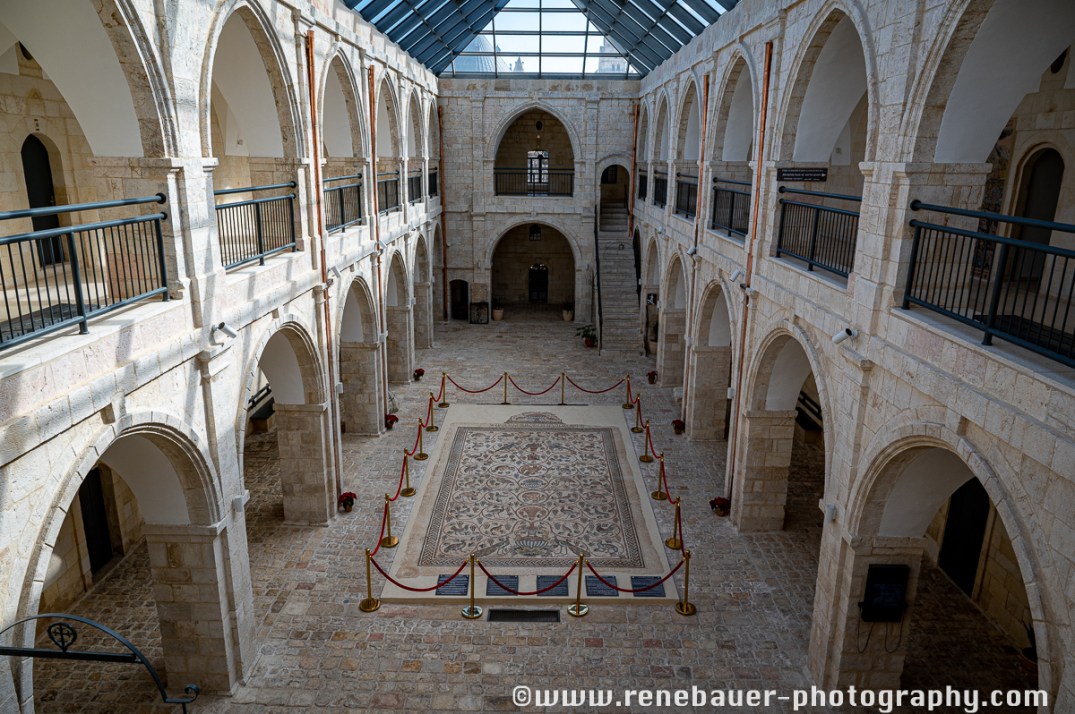
In the Armenian Quarter of Jerusalem stands a big building which host now the Armenian museum.

These rooms was build originally in the 1850’s as a pilgrim guesthouse, became later a monastery, a seminary and also an orphanage of survivors of the genocide from 1915.

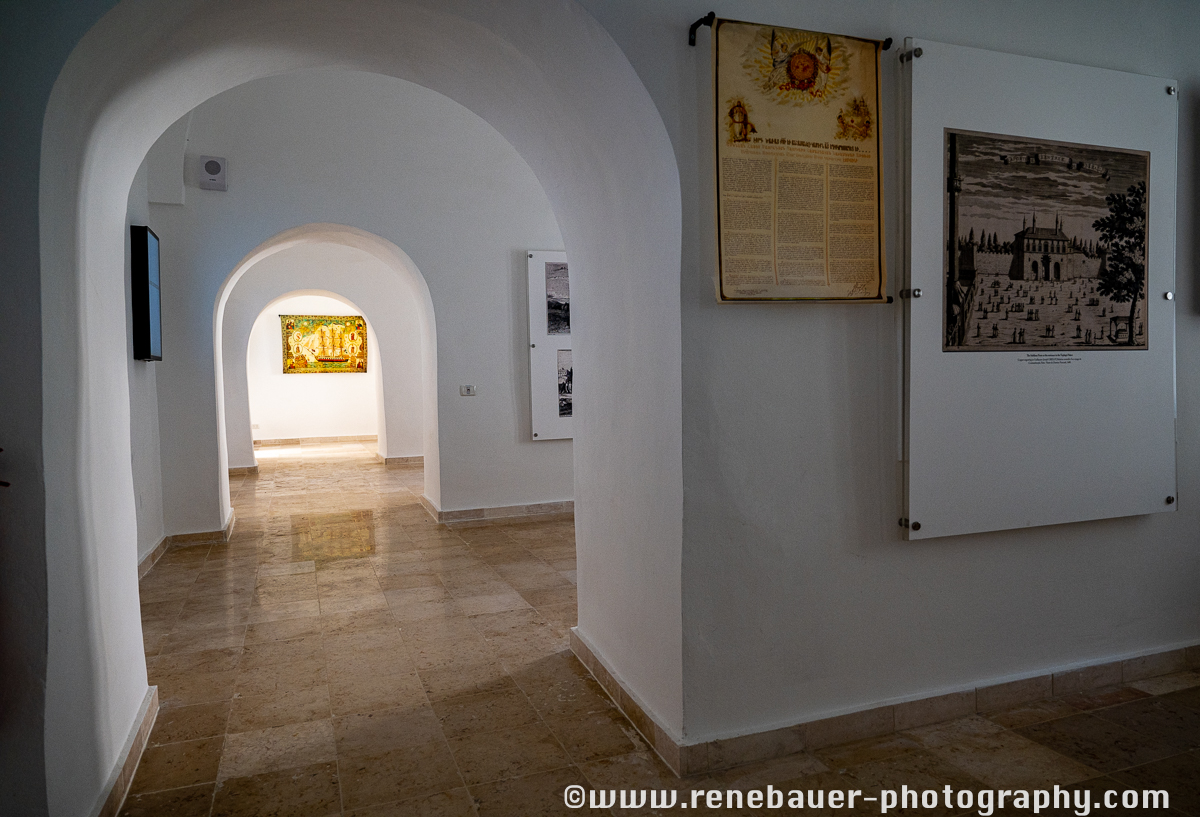
After a five year renovation it just reopened recently as a museum and memorial of the Armenian Genocide in 1915.

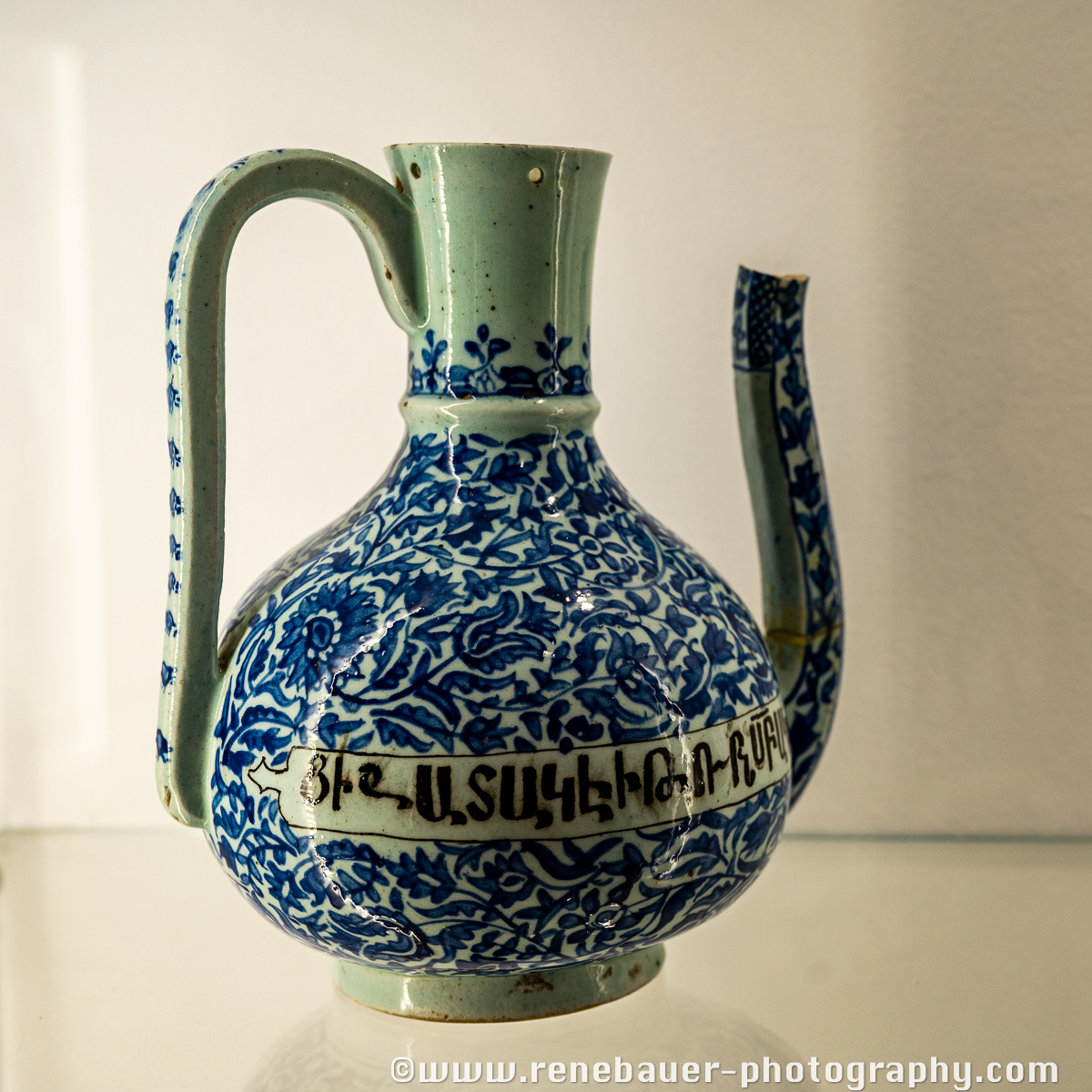
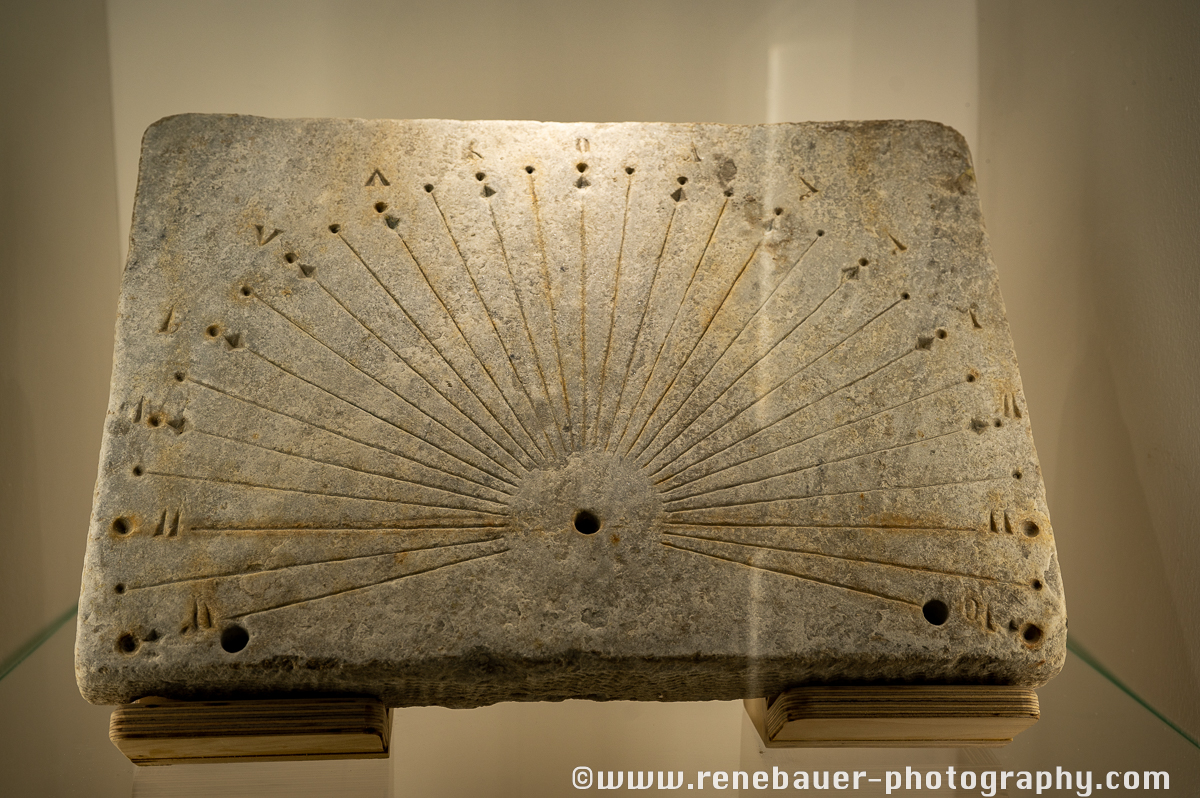
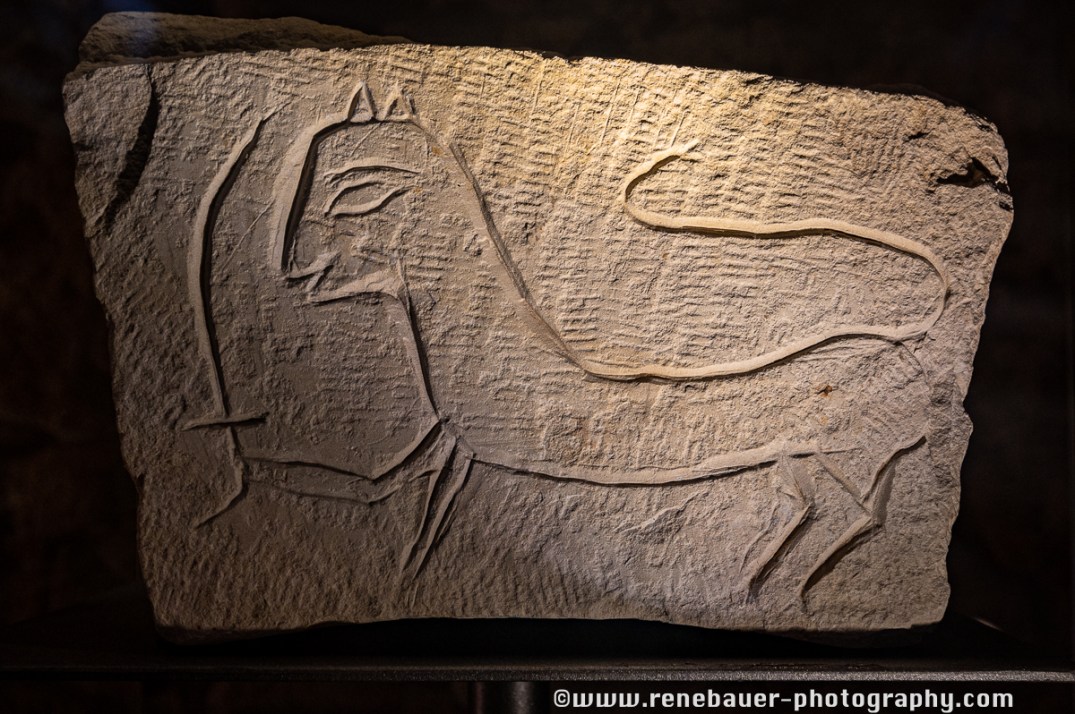
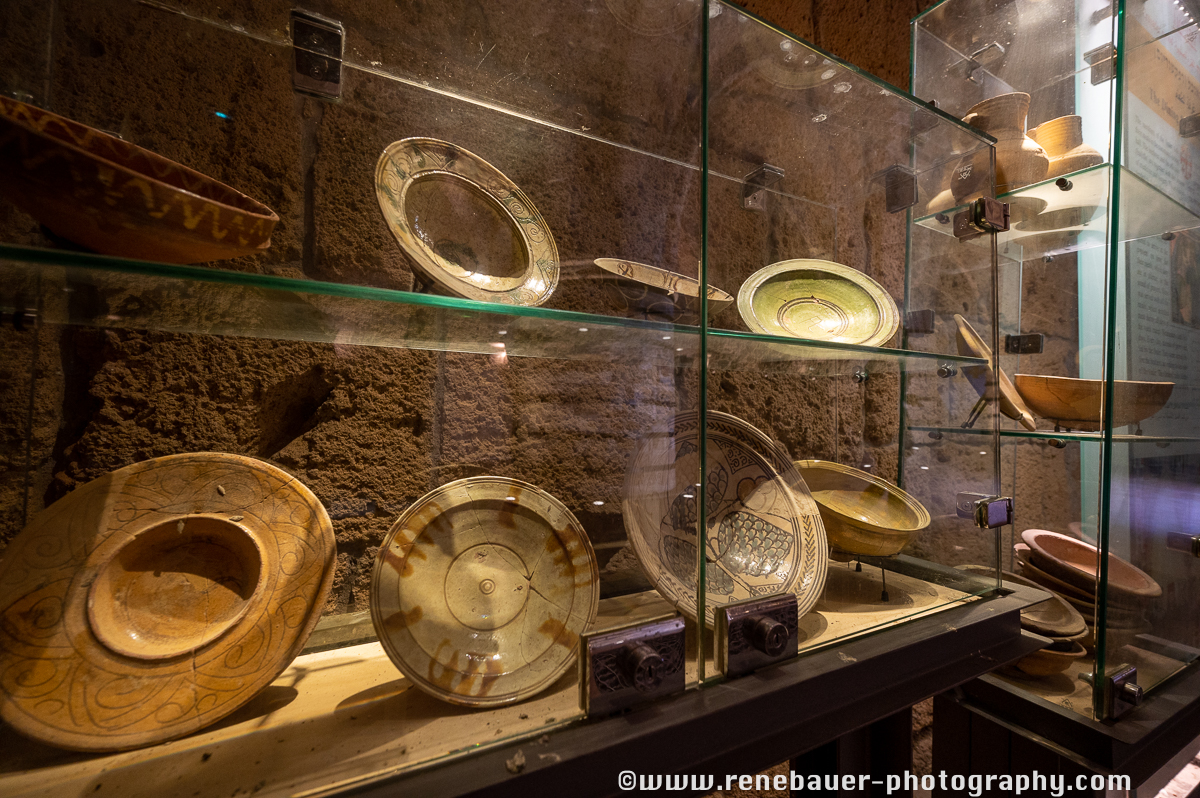
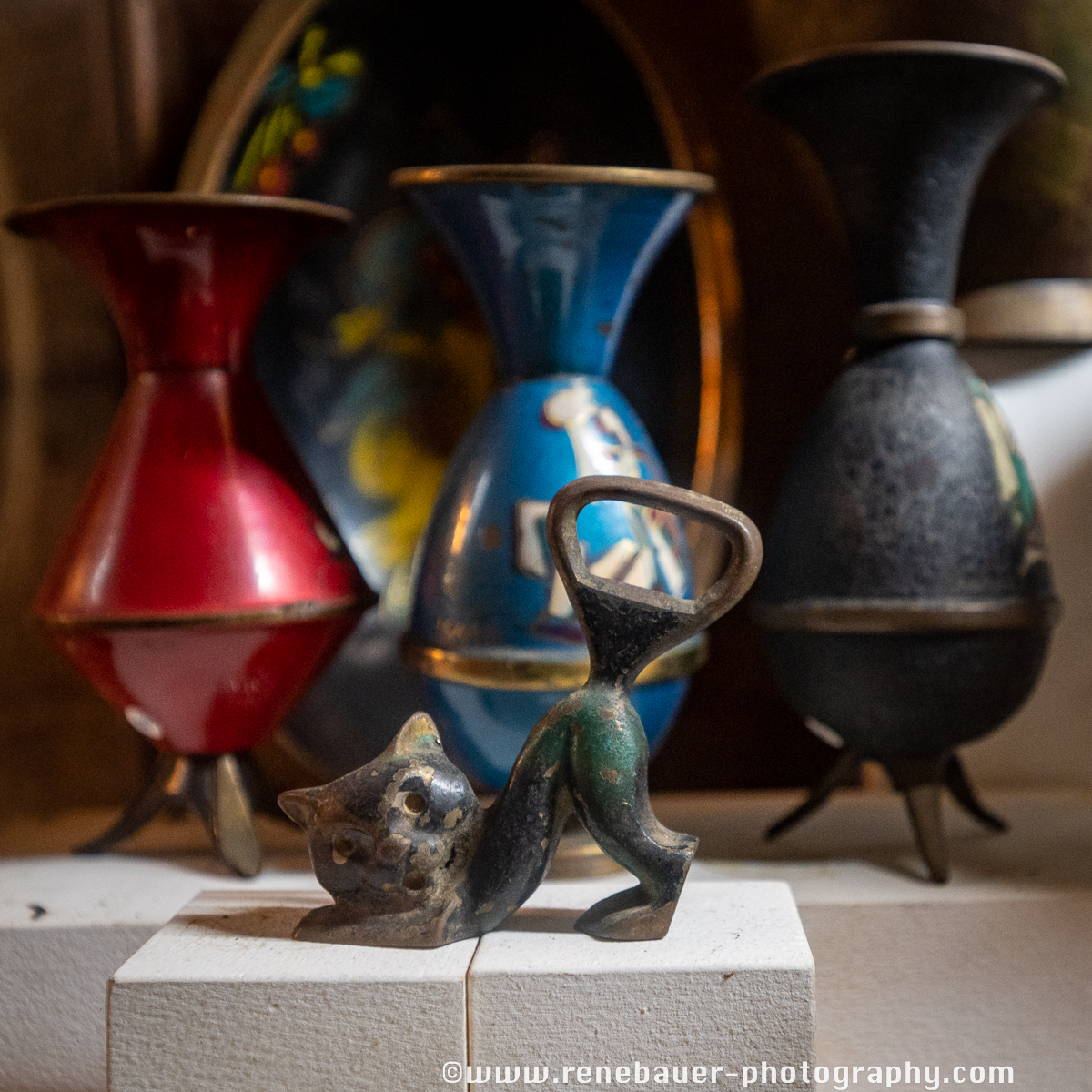
Beside many handicrafts and artifacts of the Armenian culture, especially also the famous ceramics and ornaments, it tells the story of the tragic incidents and deaths from the 24. April 1915, which is still denied by the Turkish government.

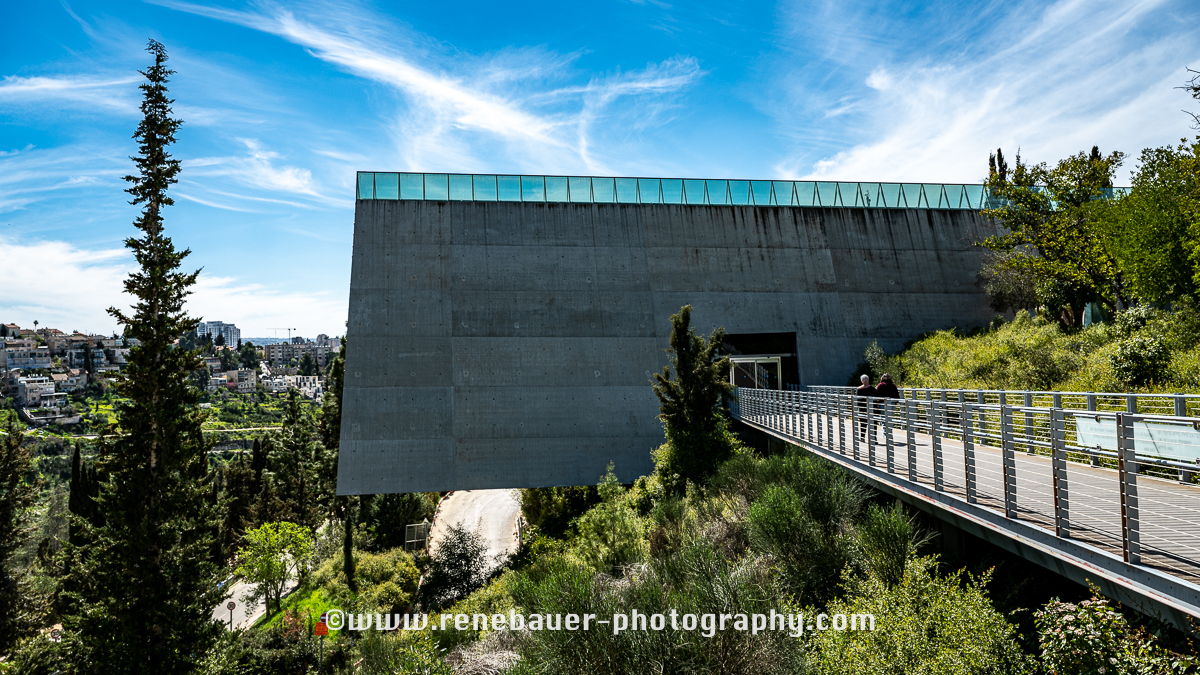
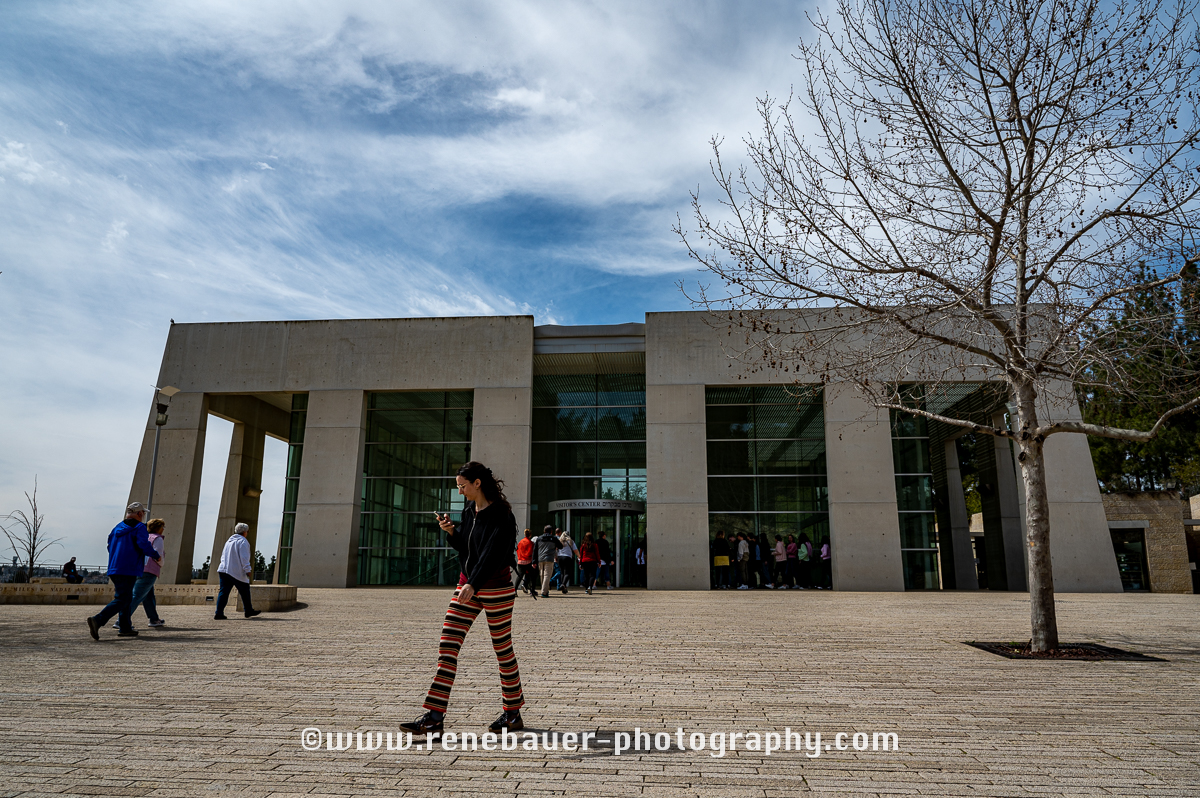
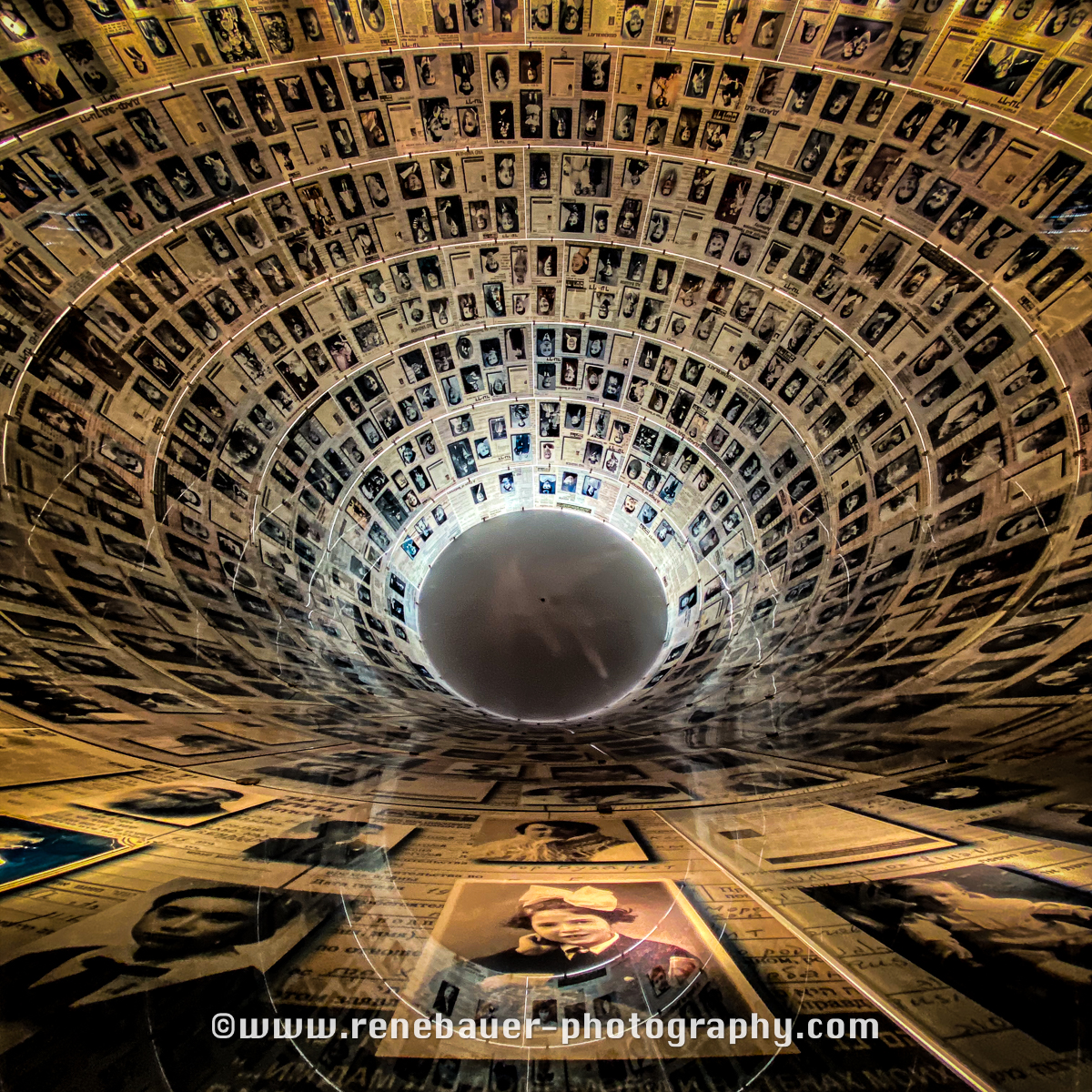
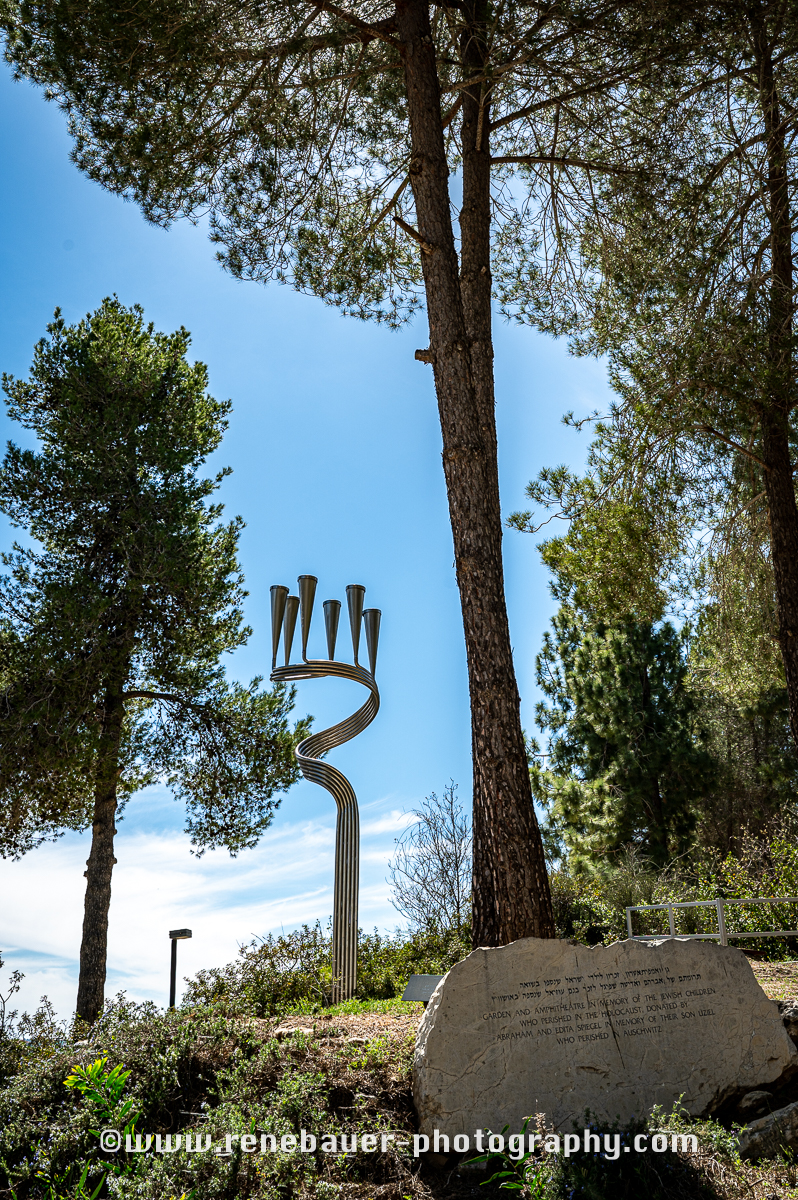
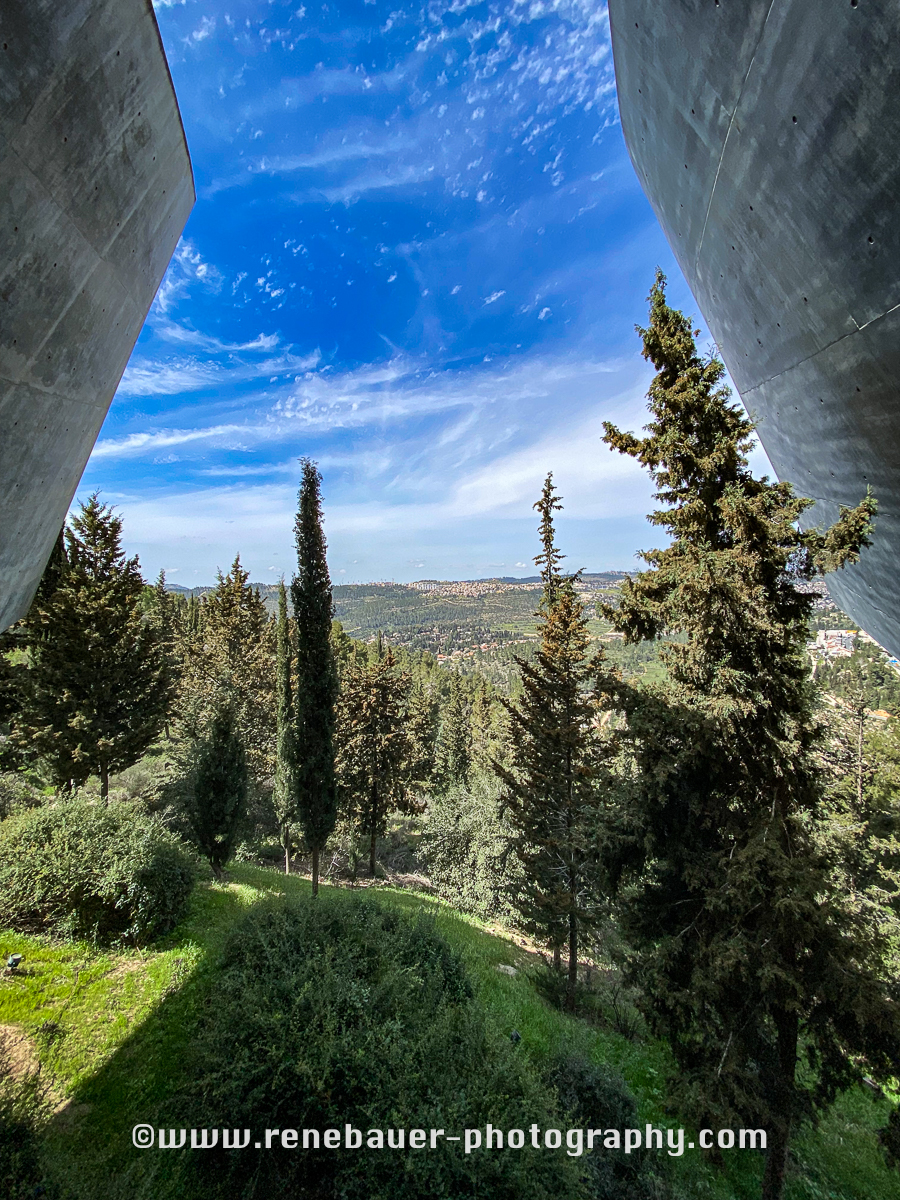
Israel – Jerusalem Yad Vashem (Holocaust Museum)

To understand Israel, one have to understand the history of its people.

The traumatic peak of the Jewish diaspora was the so-called holocaust in the 1930’s in Europe. The official website of Yad Vashem explains:

„The Holocaust was unprecedented genocide, total and systematic, perpetrated by Nazi Germany and its collaborators, with the aim of annihilating the Jewish people. The primary motivation was the Nazis‘ anti-Semitic racist ideology. Between 1933 and 1941 Nazi Germany pursued a policy that dispossessed the Jews of their rights and their property, followed by the branding and the concentration of the Jewish population. This policy gained broad support in Germany and much of occupied Europe. In 1941, following the invasion of the Soviet Union, the Nazis and their collaborators launched the systematic mass murder of the Jews. By 1945 nearly six million Jews had been murdered. „

Walking through the rooms of museum/memorial, the visitor learn about how the hate against the Jewish people raised. It displays many individual fates and the suffer of an entire folk. Not to forget all the heroes, who fought and helped these people to escape.

It’s a place to remember the loss and keep in mind to fight for a peaceful future. At least i’d like to understand it that way. Unfortunately, i was informed at this very day, that Israel army attacked and destroyed the airport of Aleppo, which is crucial for the help of victims of the recent earthquake in that region. This incident wasn’t confirmed, nor denied, from the Israel officials. But it let me a bitter taste when thinking of the future of this region.

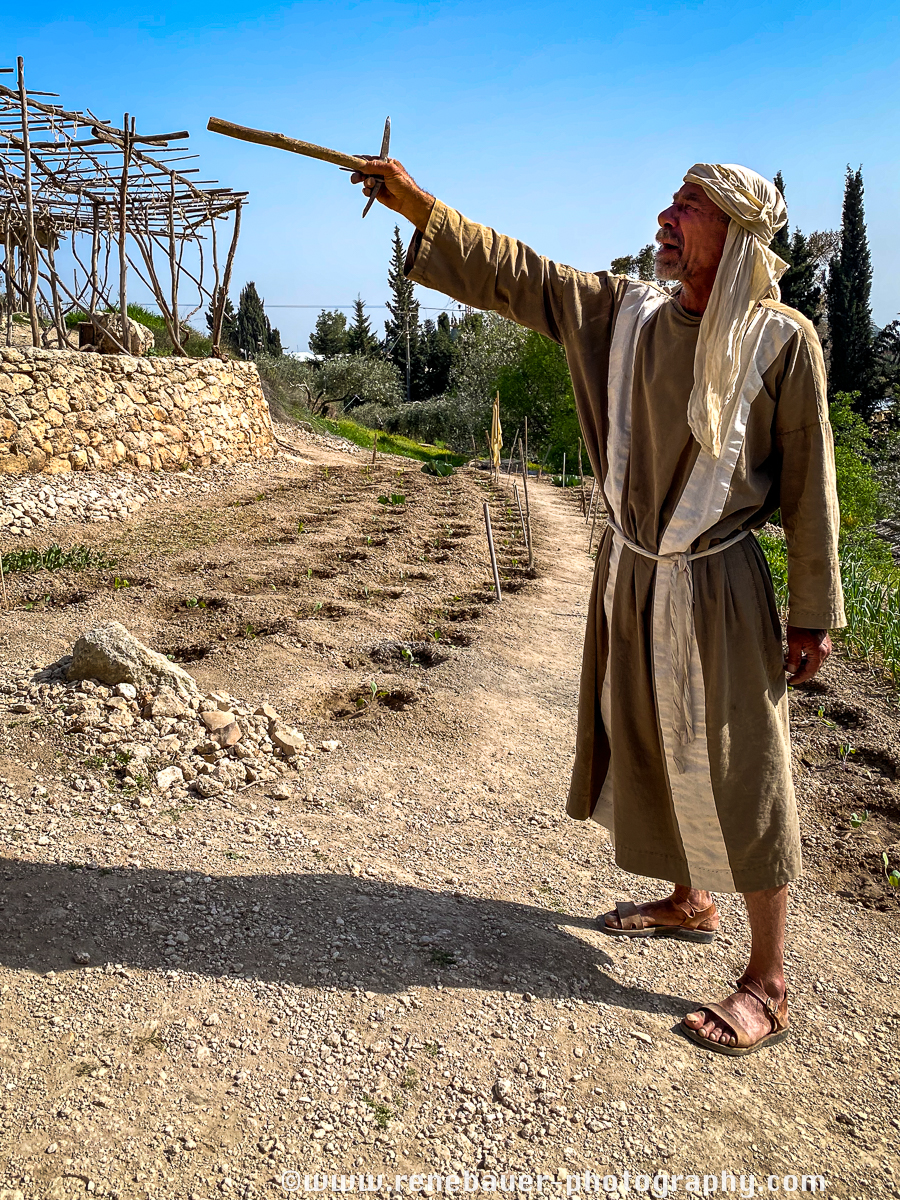
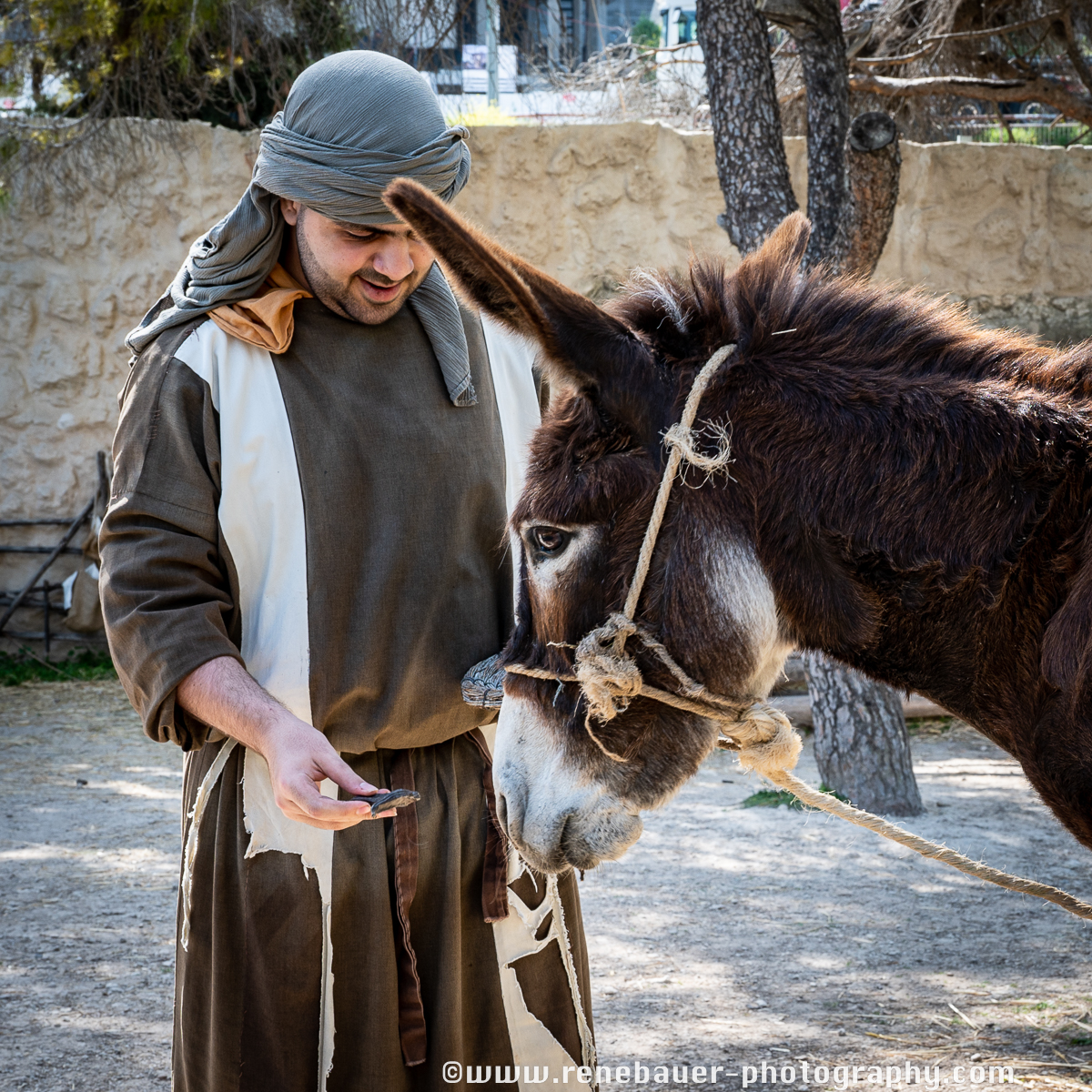
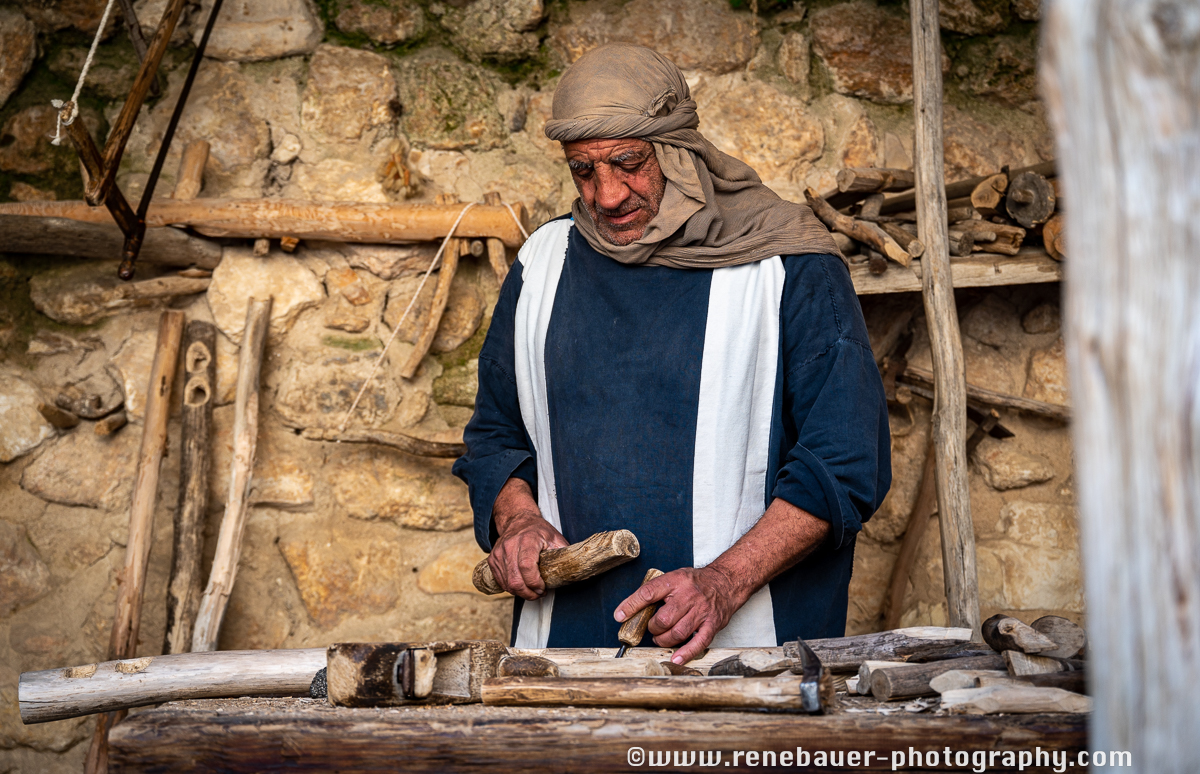
Israel – The Nazareth Village

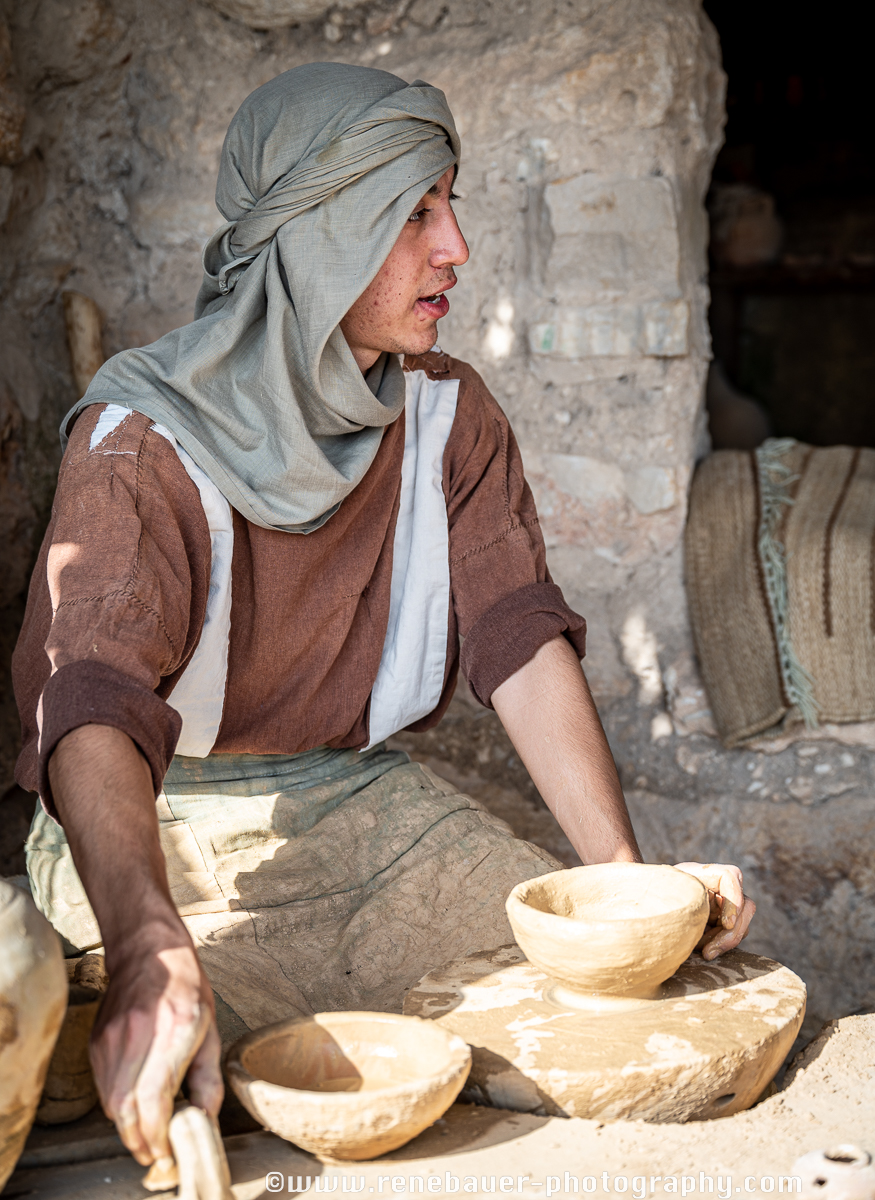
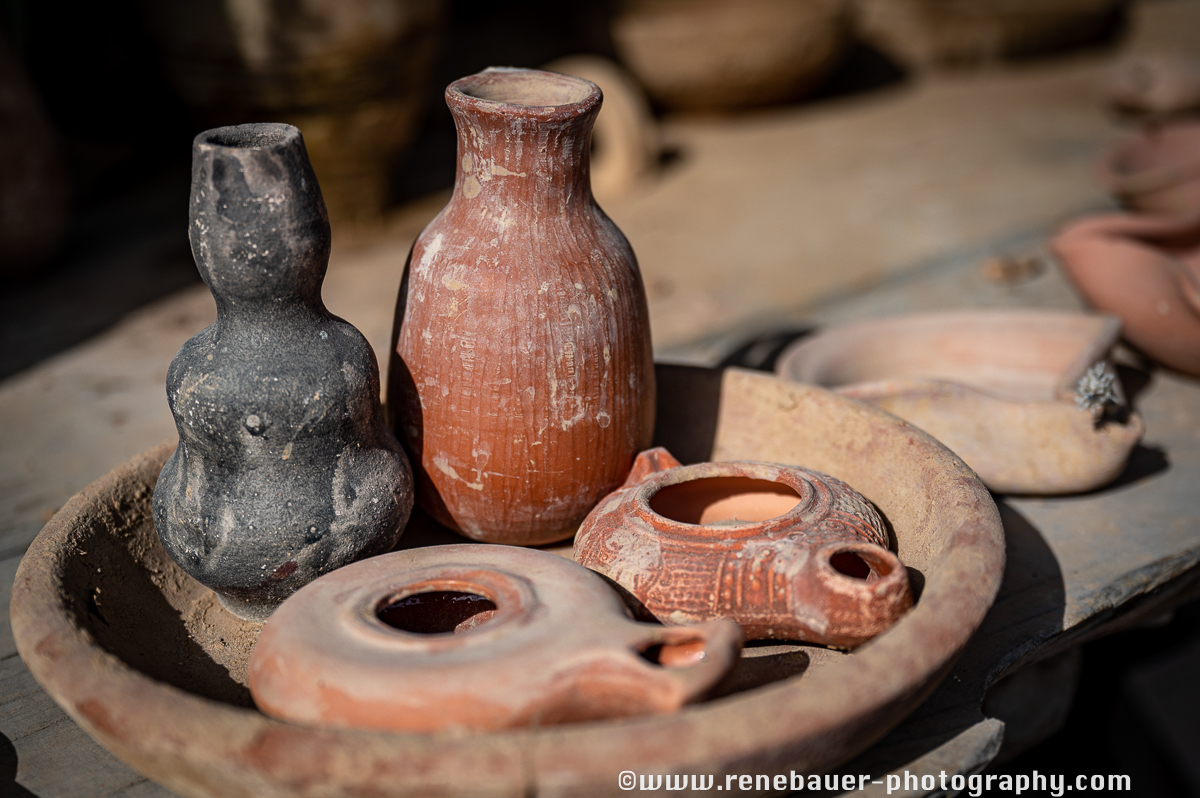
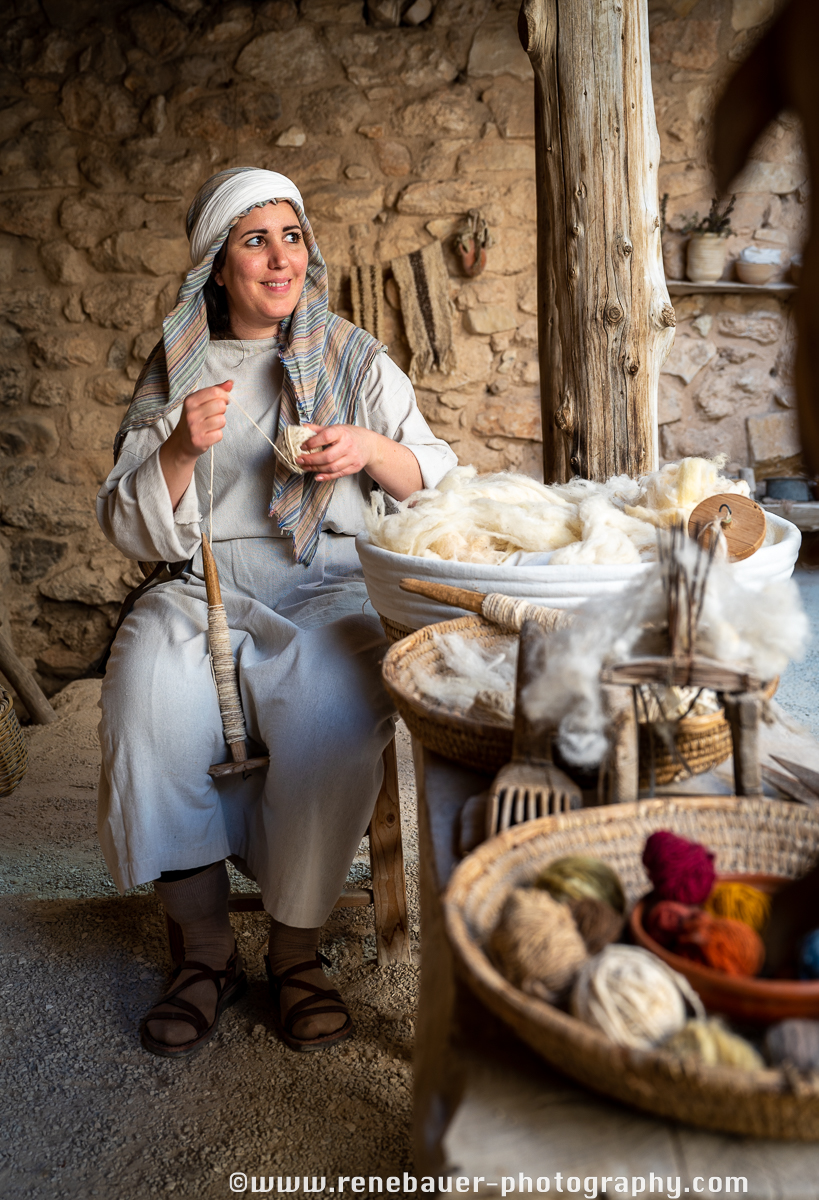
An open-air museum shows the life at time of Jesus.

Old Akko – A Stroll Trough History

The next morning I returned to the old city centre of Akko/Acre.

Some remains in the old town are still witnesses from the past centuries. A combined ticket for the most interesting, historical sites brought me across the city.

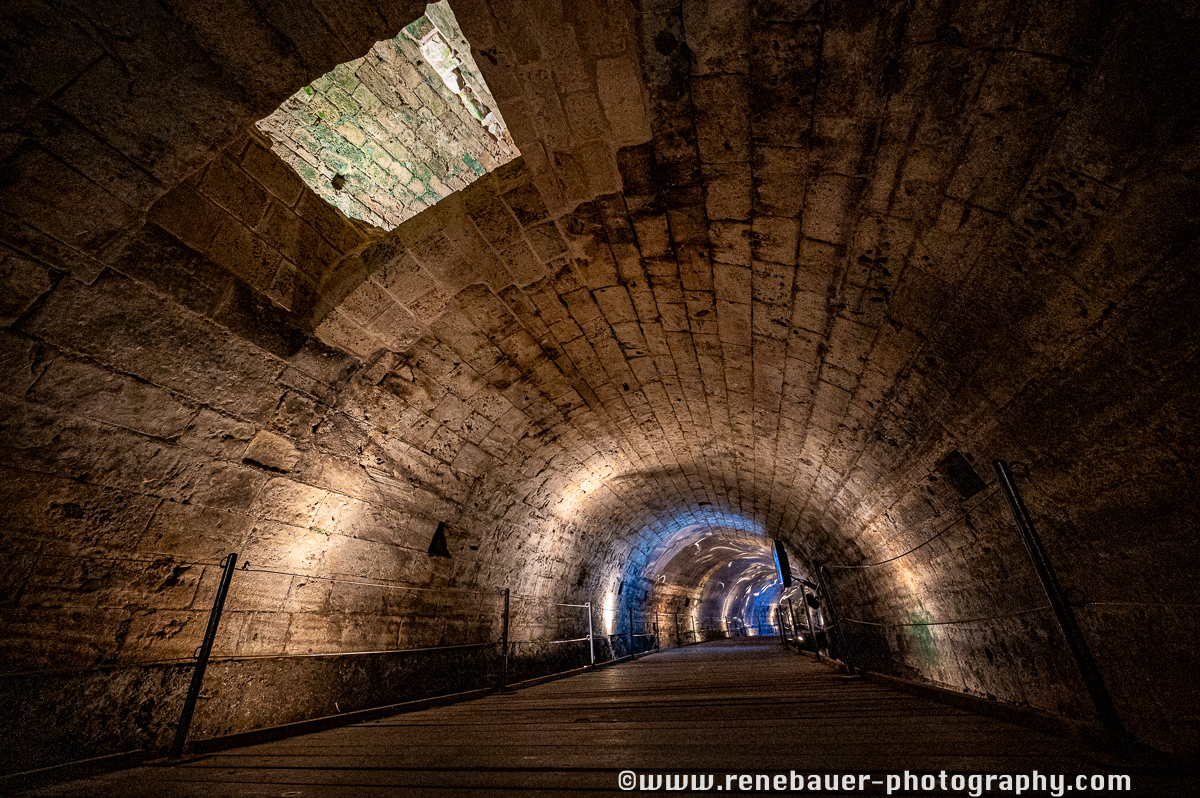
Most fascinating for me was the Templar Tunnel, which leads 150 meter long under the old city and was used from the crusaders. It was only recovered in the 1990′ by coincidence.

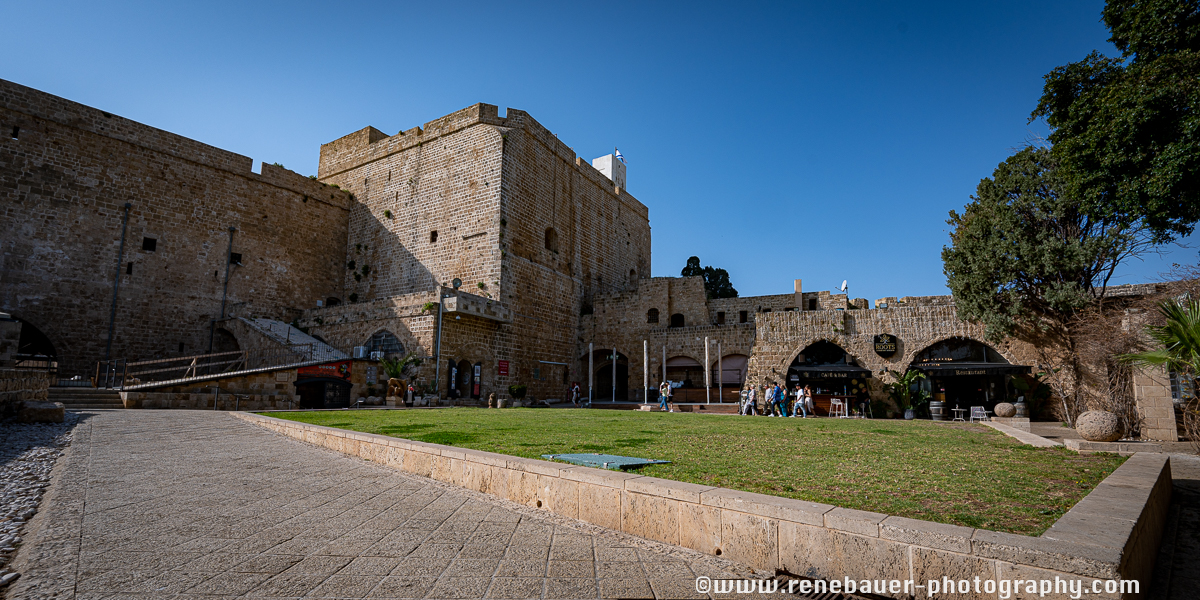
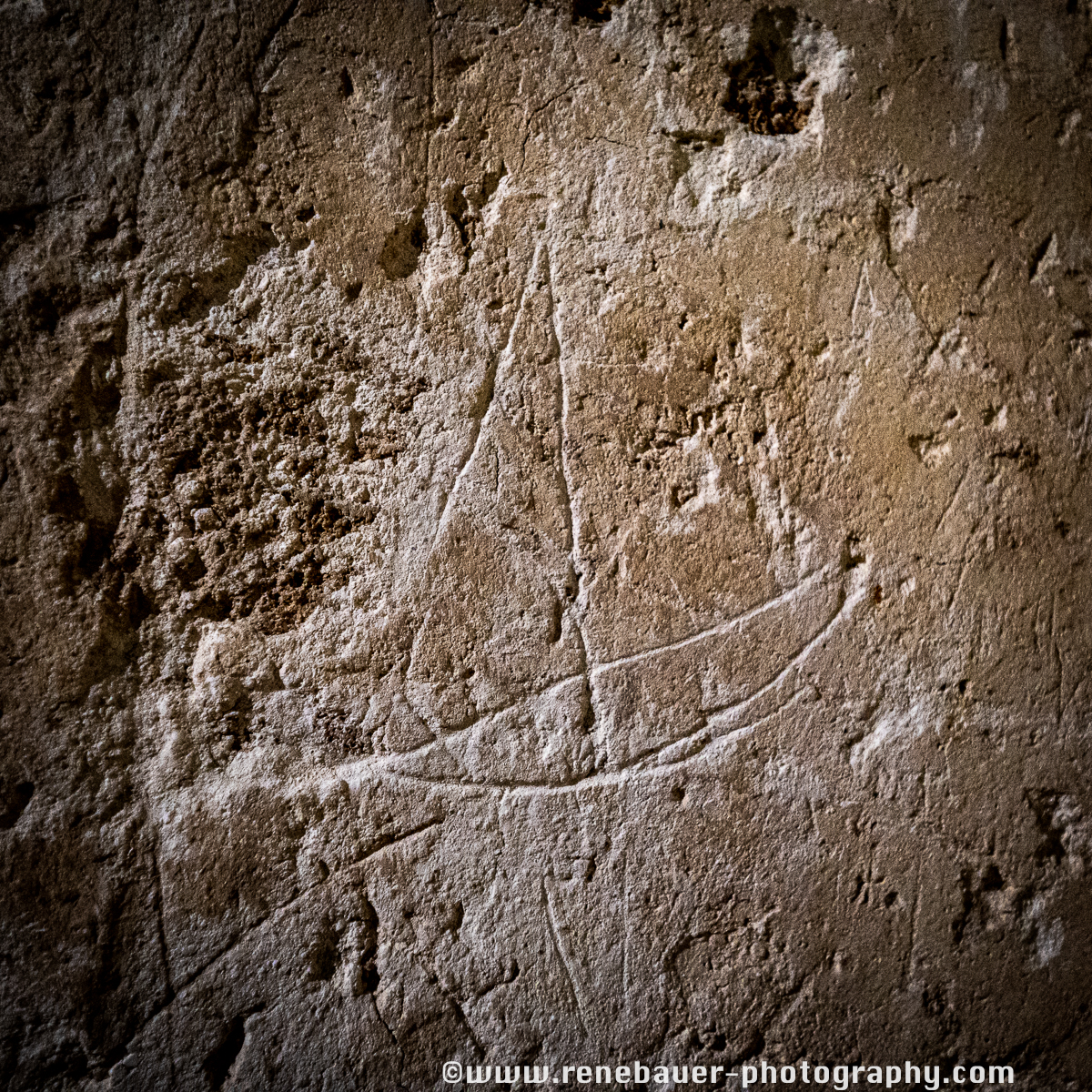
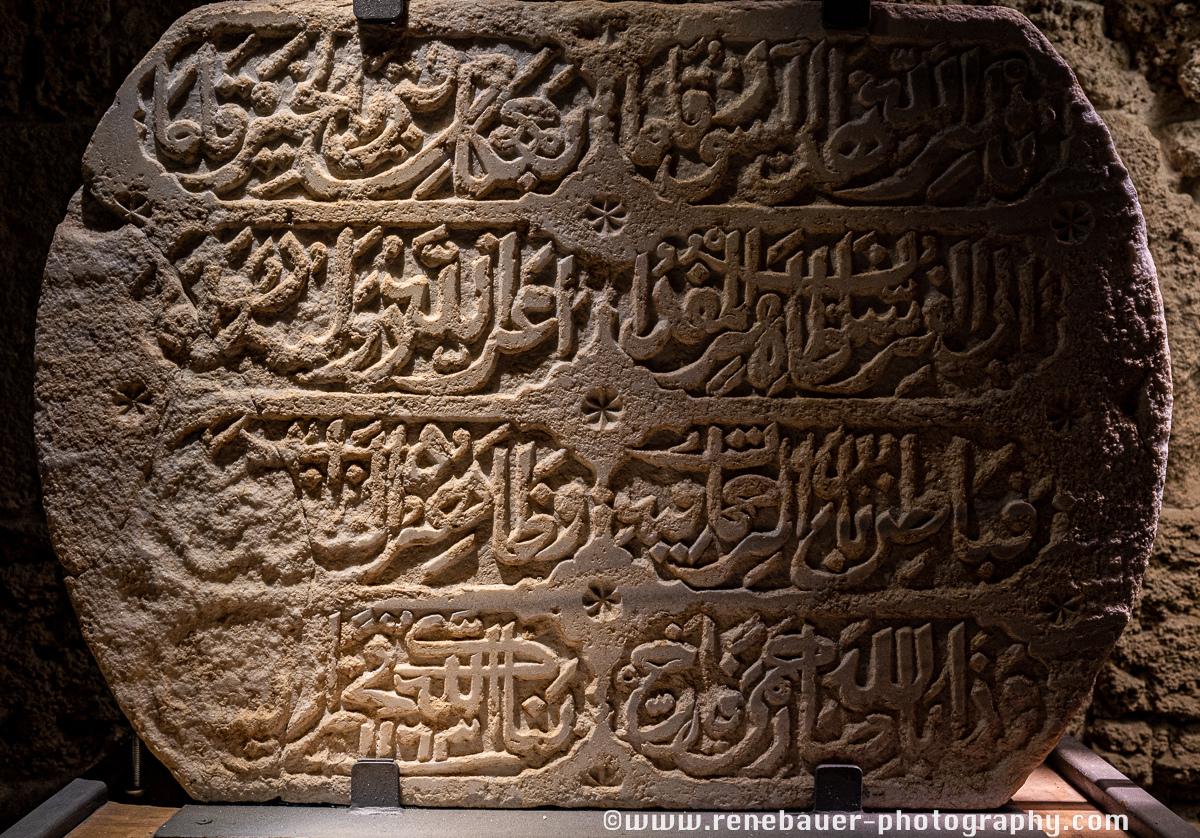
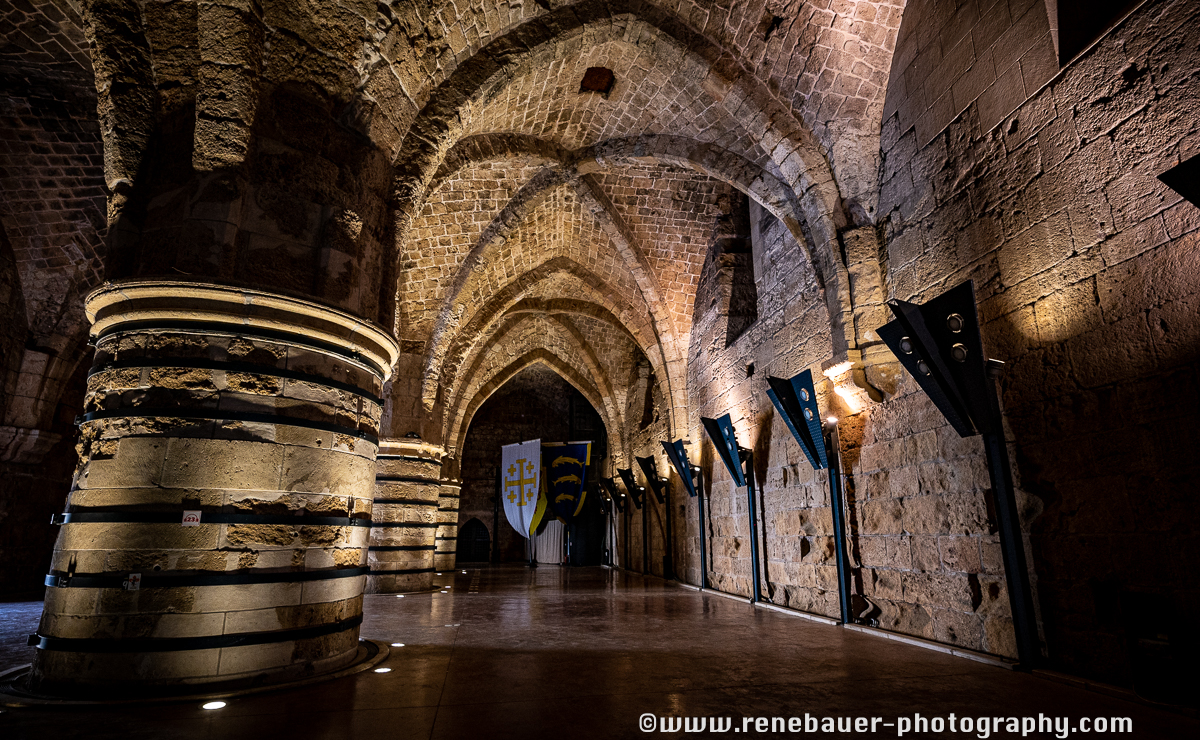
But most surprising was the citadel of the crusaders, with its knights halls, hospice and many more buildings. The remains are nowadays under the later build city. So, a self guided tour brought under the streets and opened up ancient streets, walls, churches and so on.

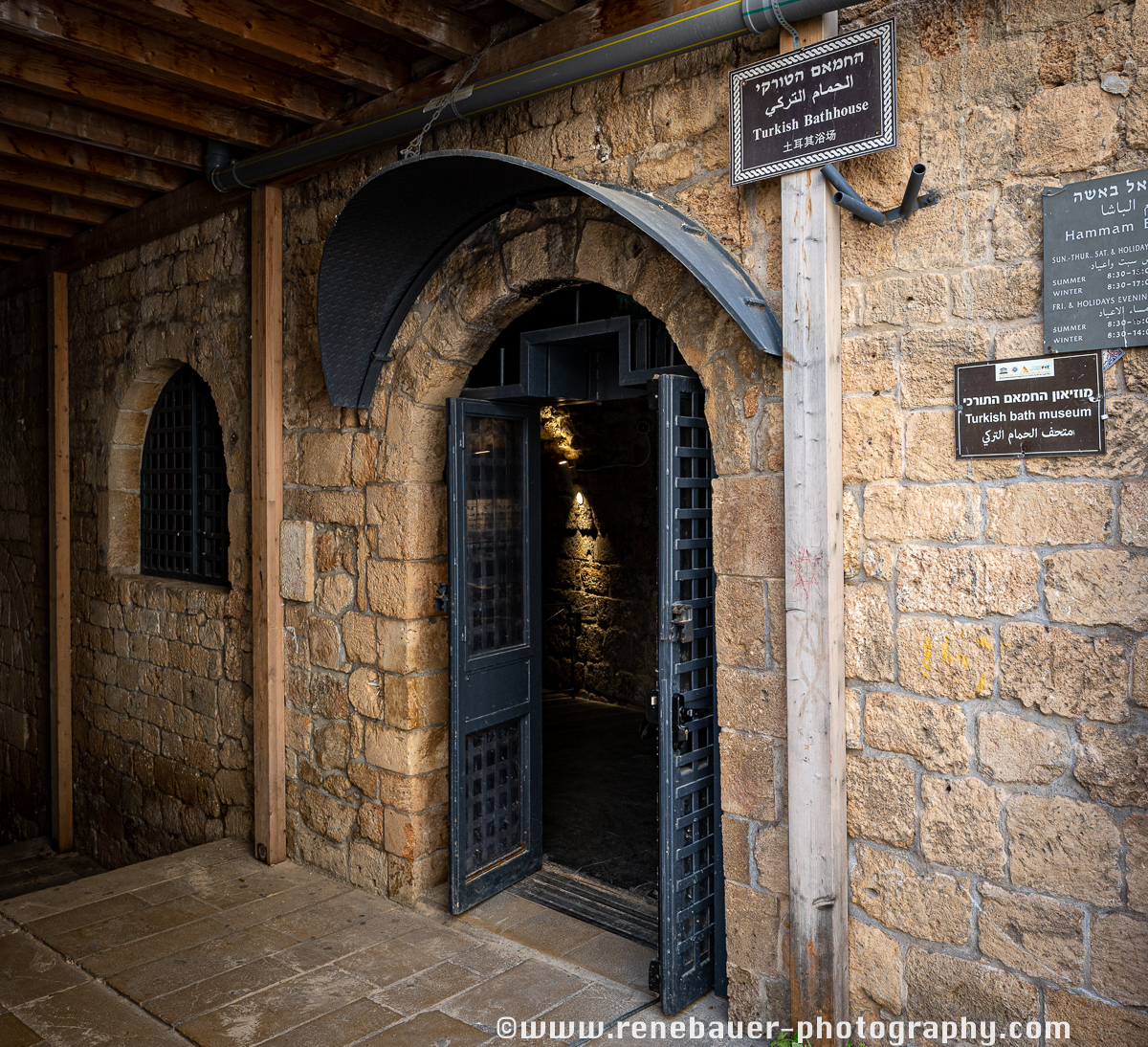
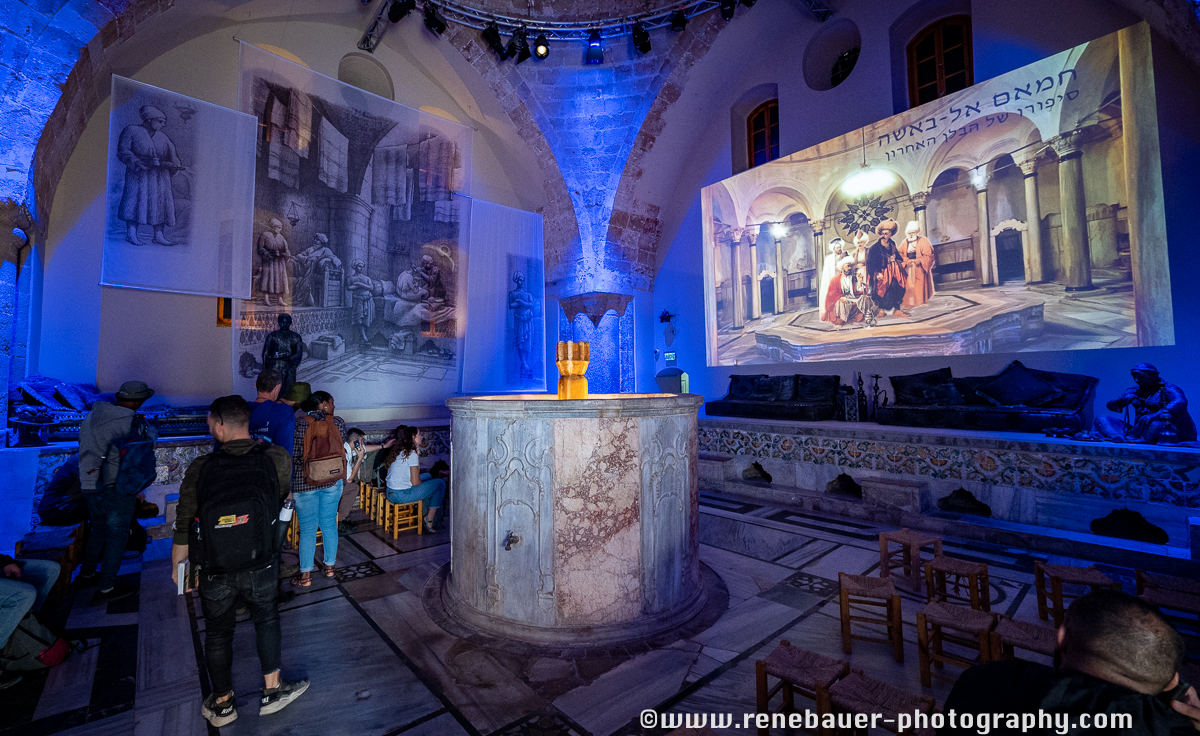
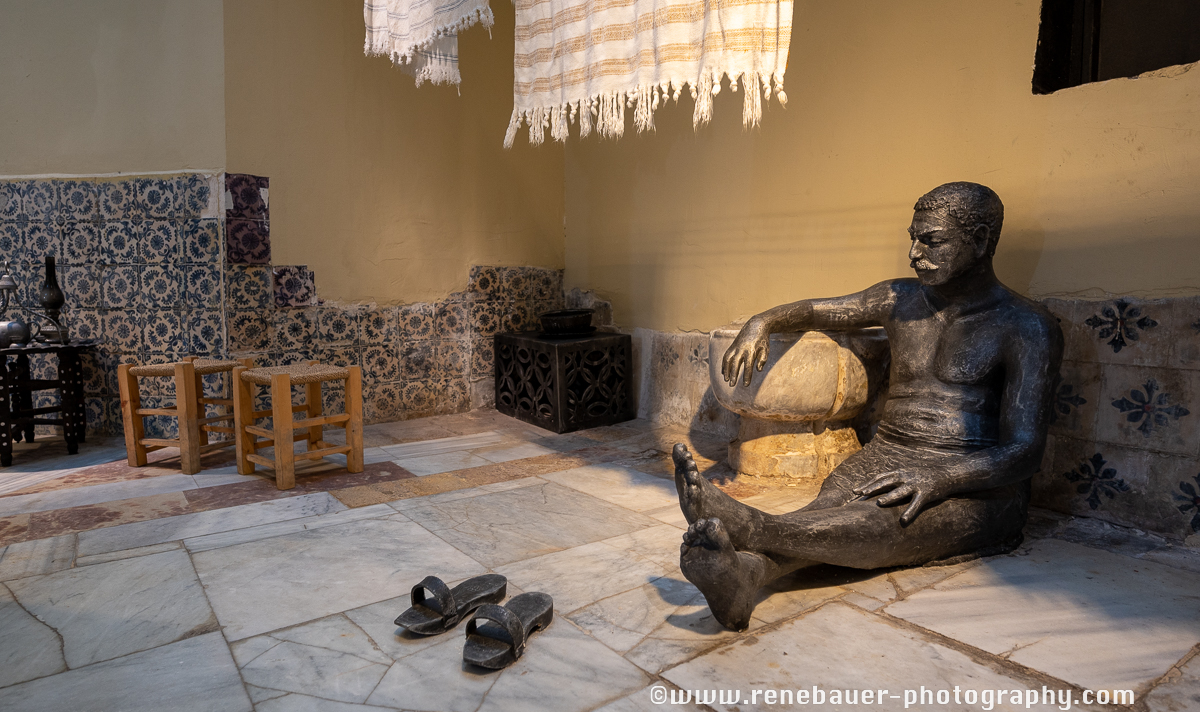
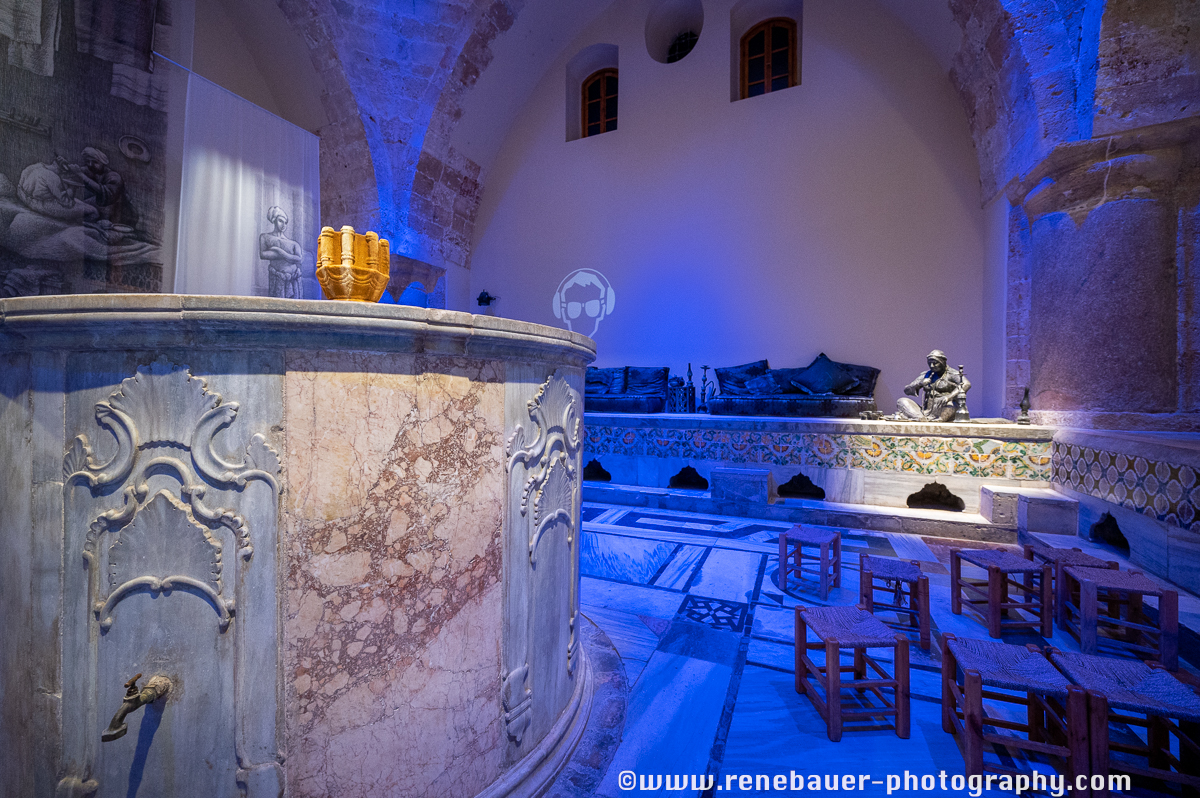
There was also a museum about a Turkish bath, known as hammam. In the different room are statues and video explanations to show the history of this particular hammam and how these bathrooms works in general.

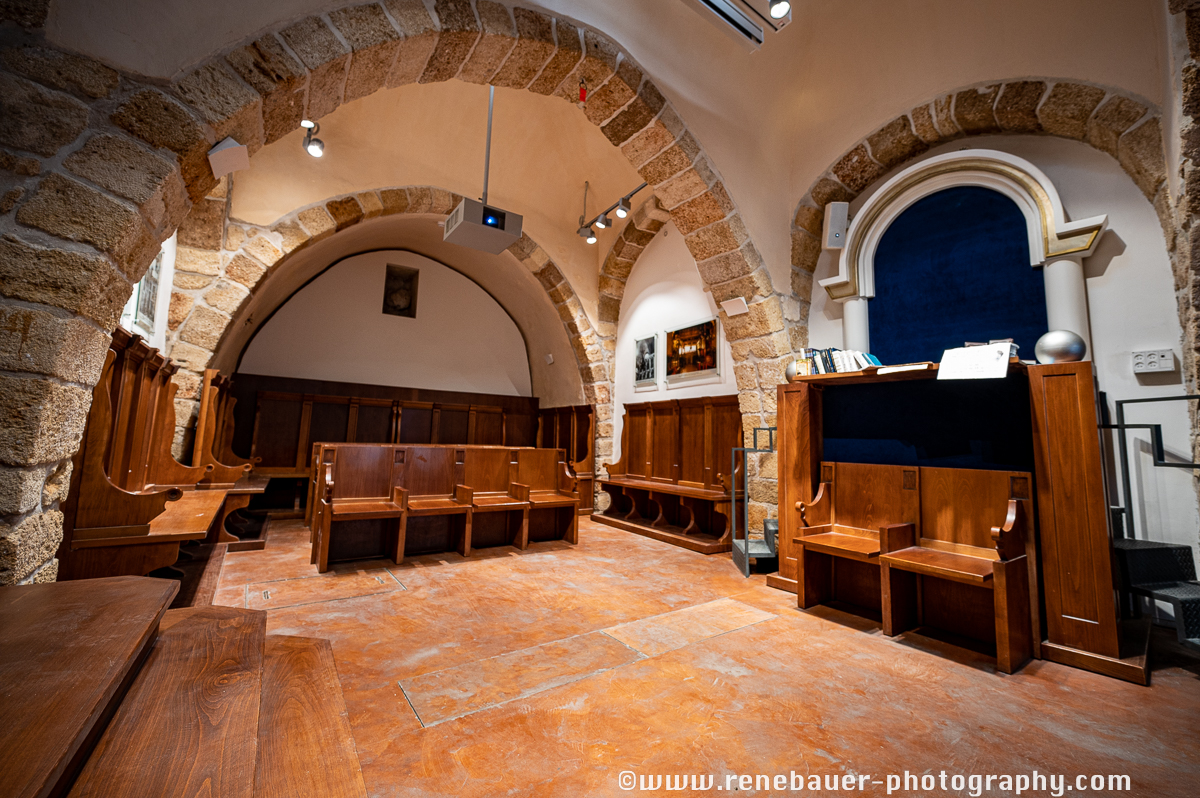
The Ramhal synagoge is famous for its earlier Rabbi Moshe Chaim Lozato, who’s a very important religious leader and academic.

In the city wall is one more museum. It exhibits a collection of everyday objects, tools, but also clothes and jewelry from the begin of modern Israel.

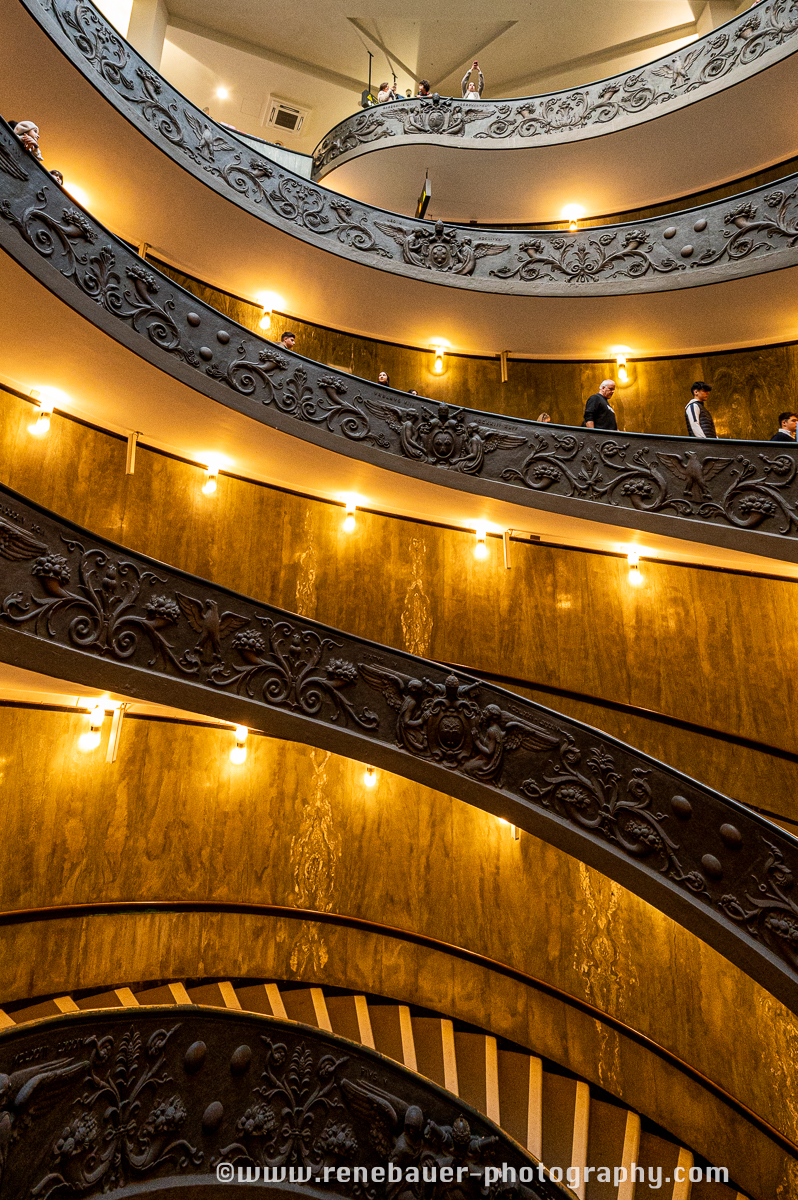
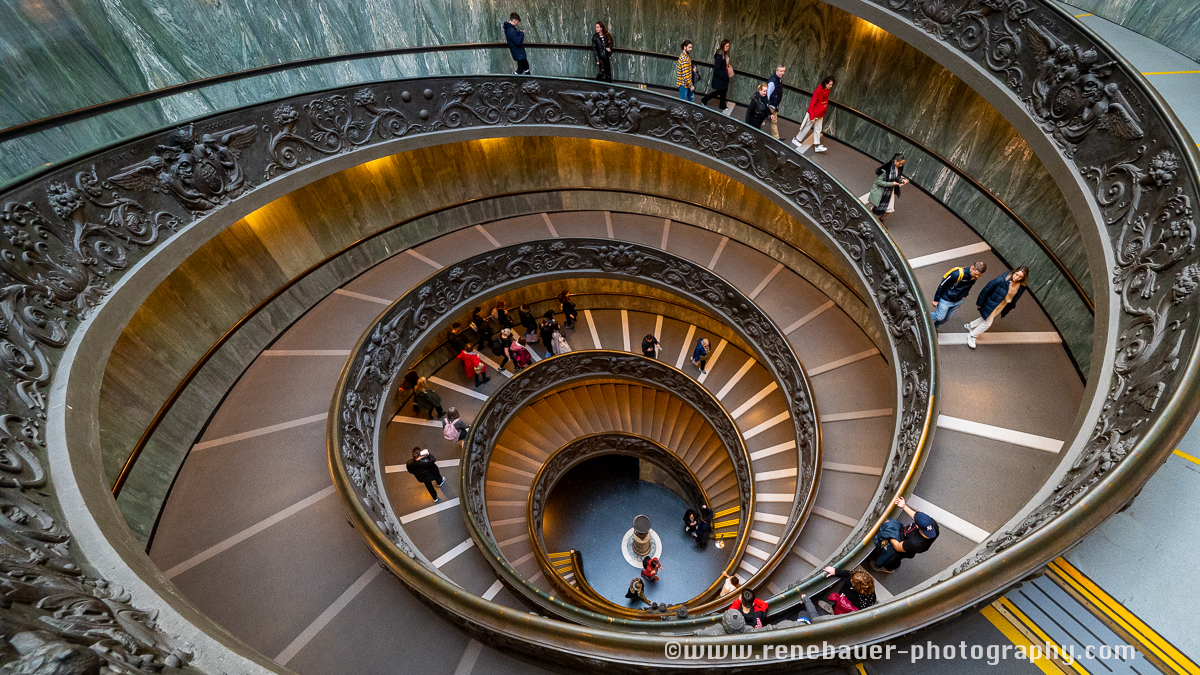
The Vatican Museum

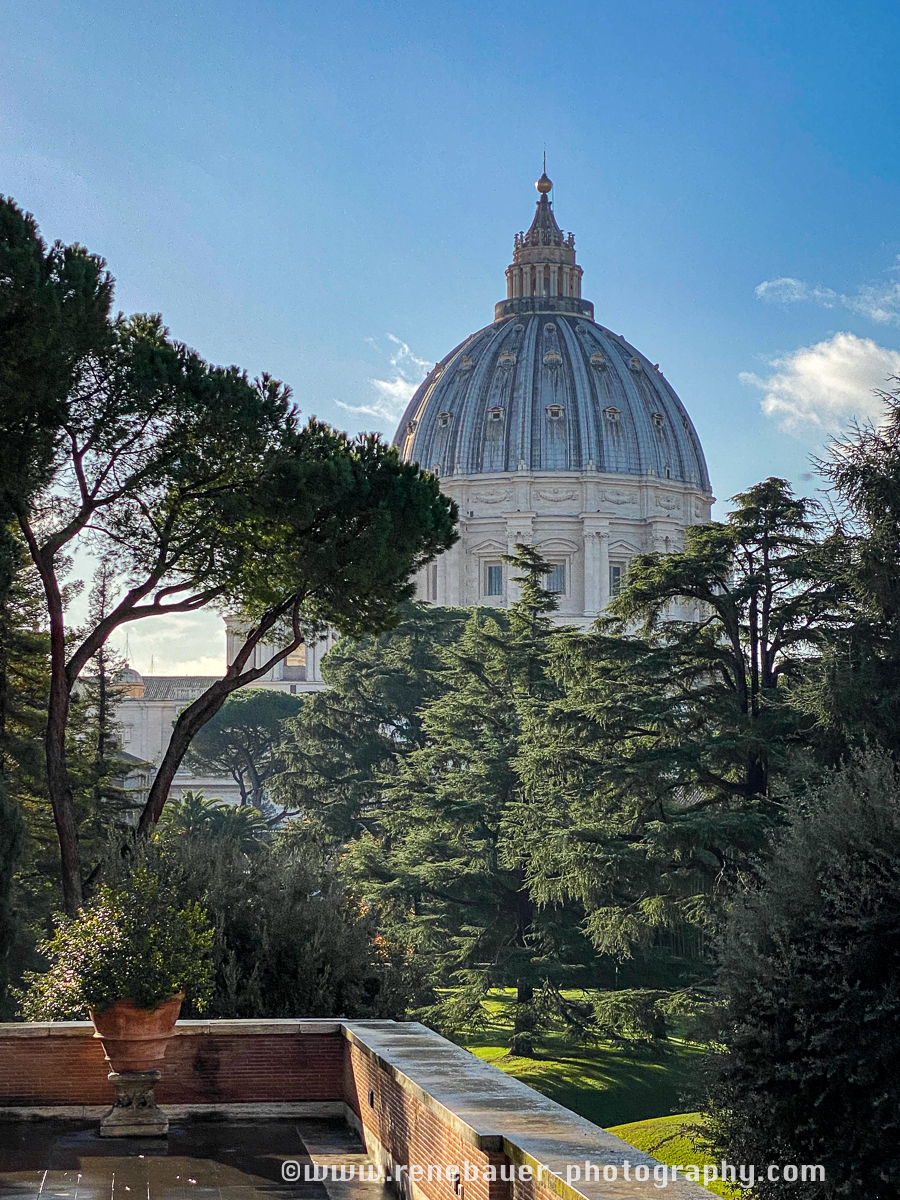
If in Vatican, or Rome respectively, you must go to the Vatican Museum, they said.

But be prepared for very long queue in front of the entrance, they warned me too.

Well, when i arrived there on this cold, but beautiful winter morning, there was only a few people wanting into the museum. I just could walk trough the entrance, literally.

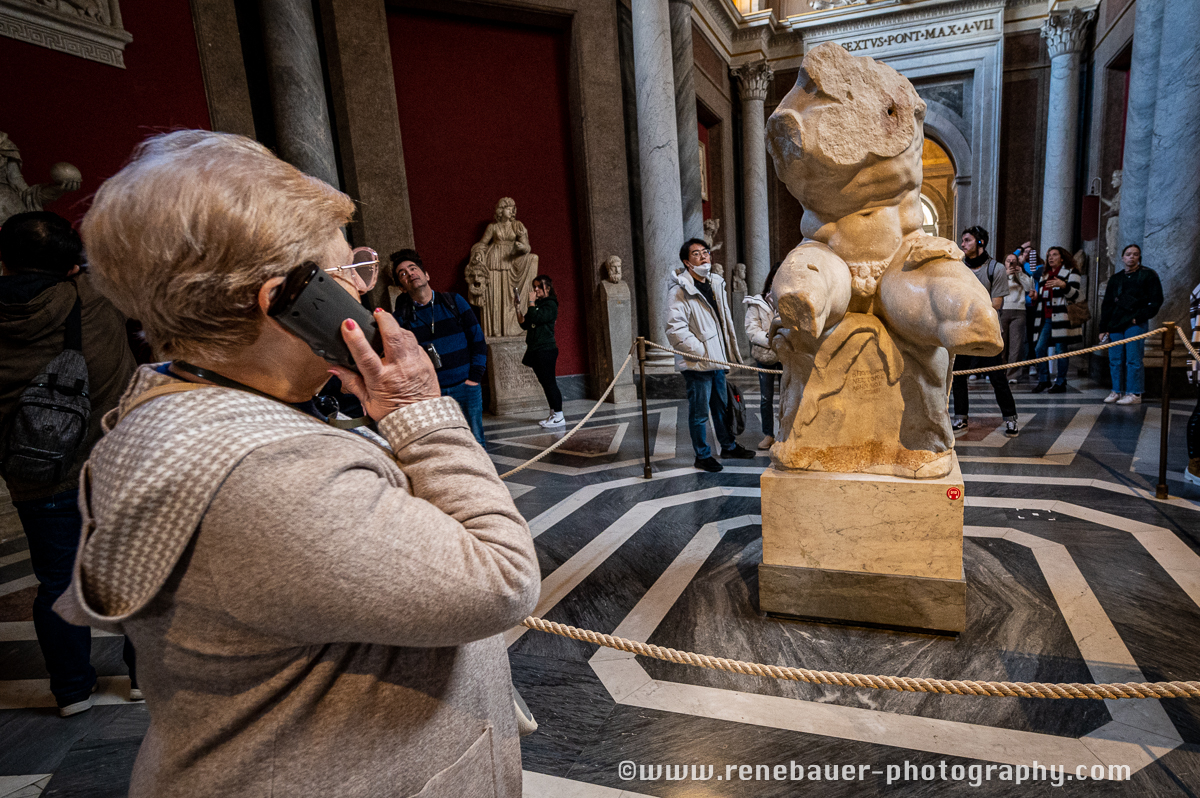
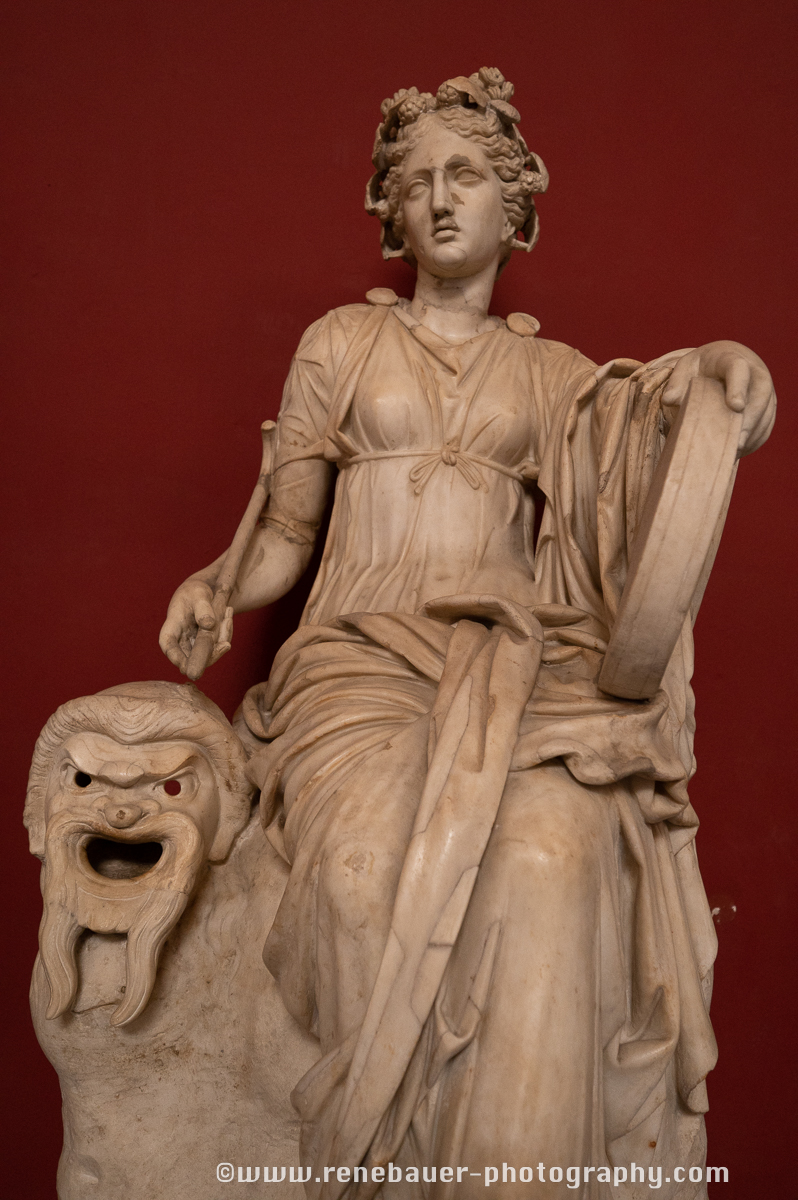
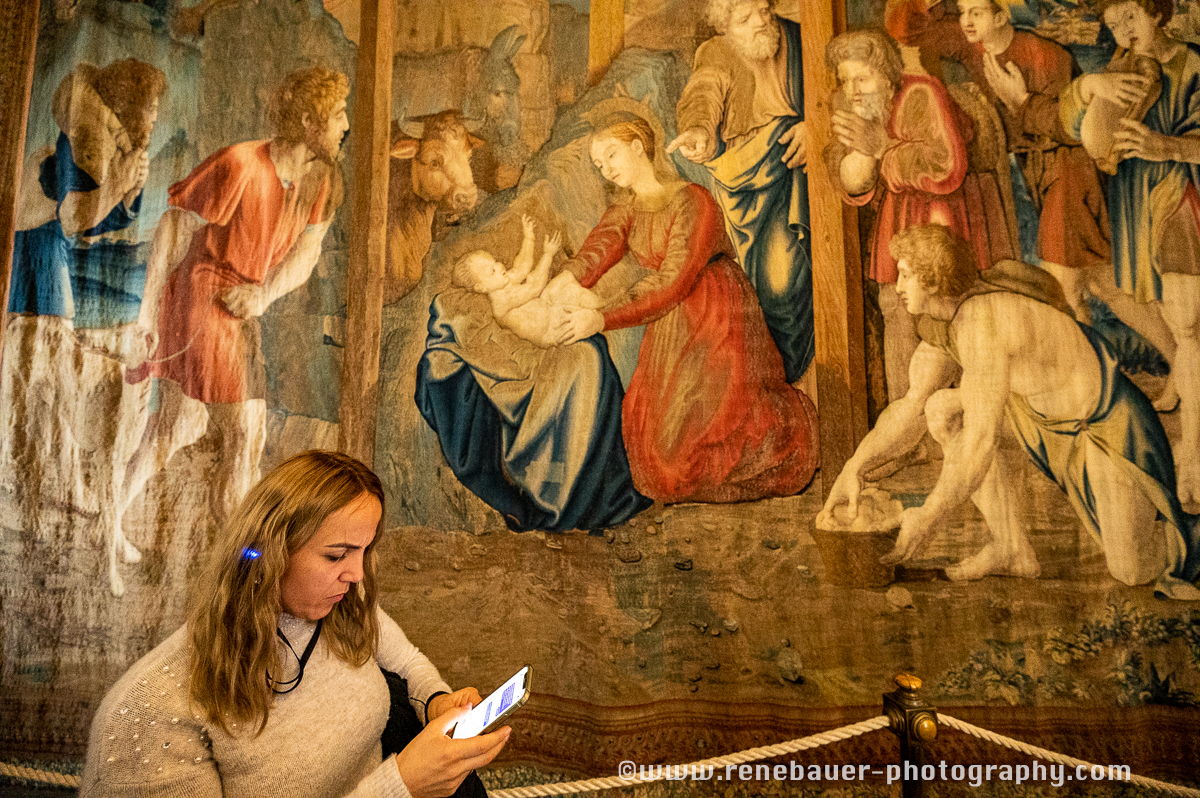
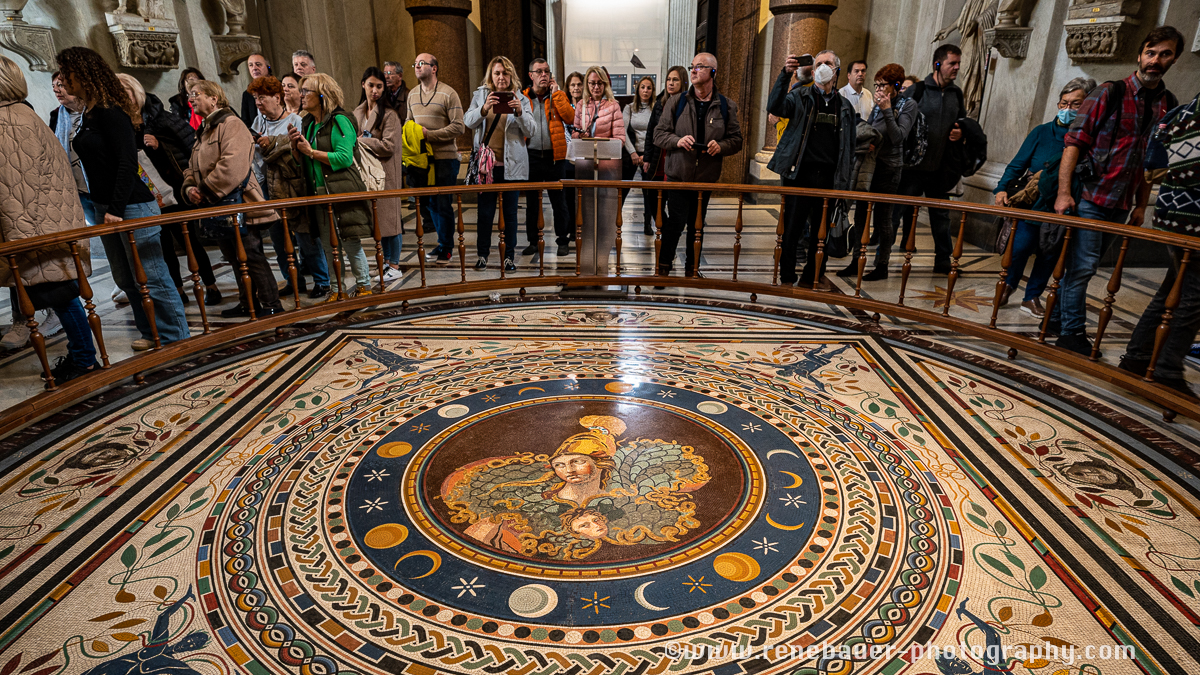
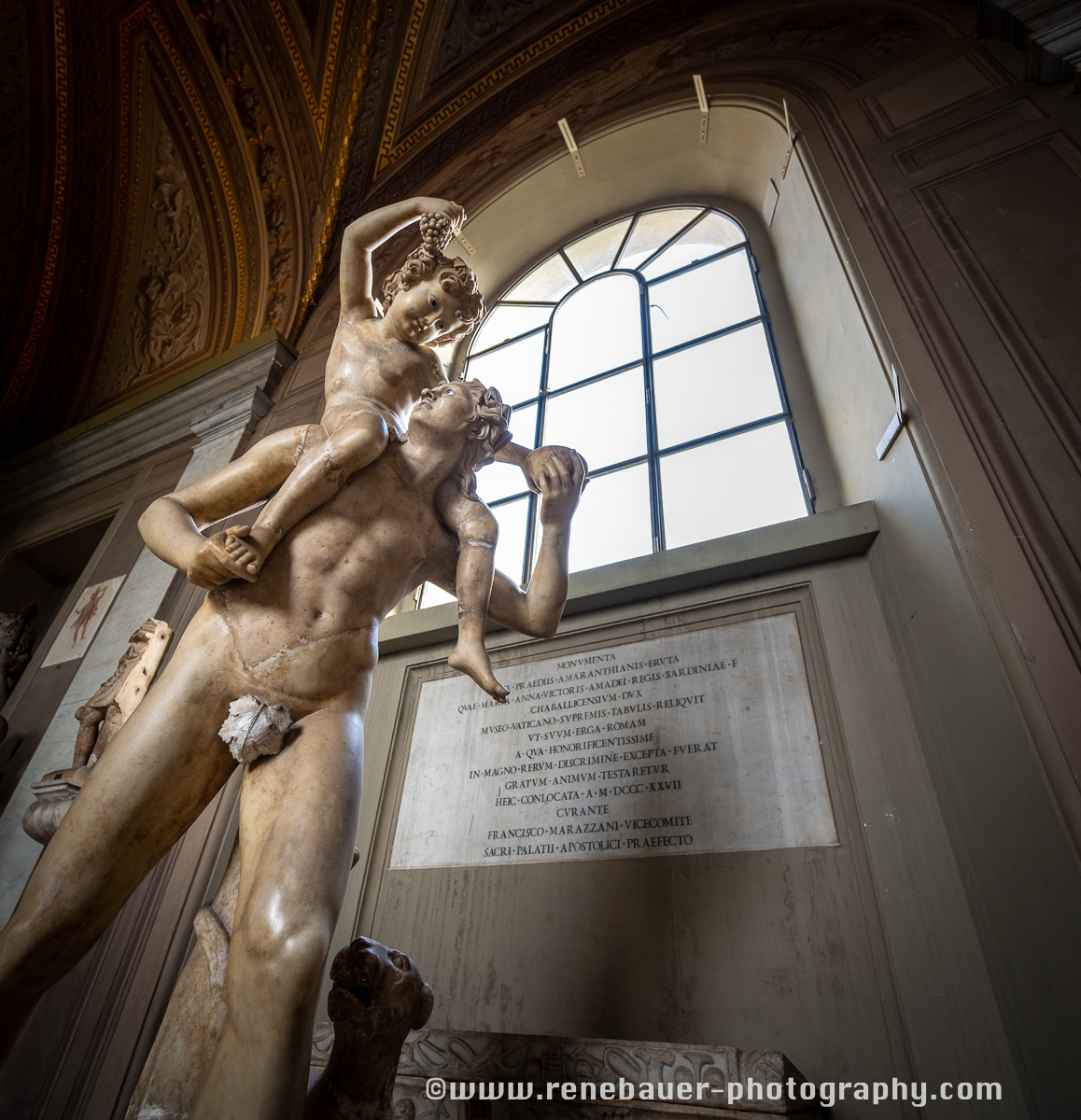
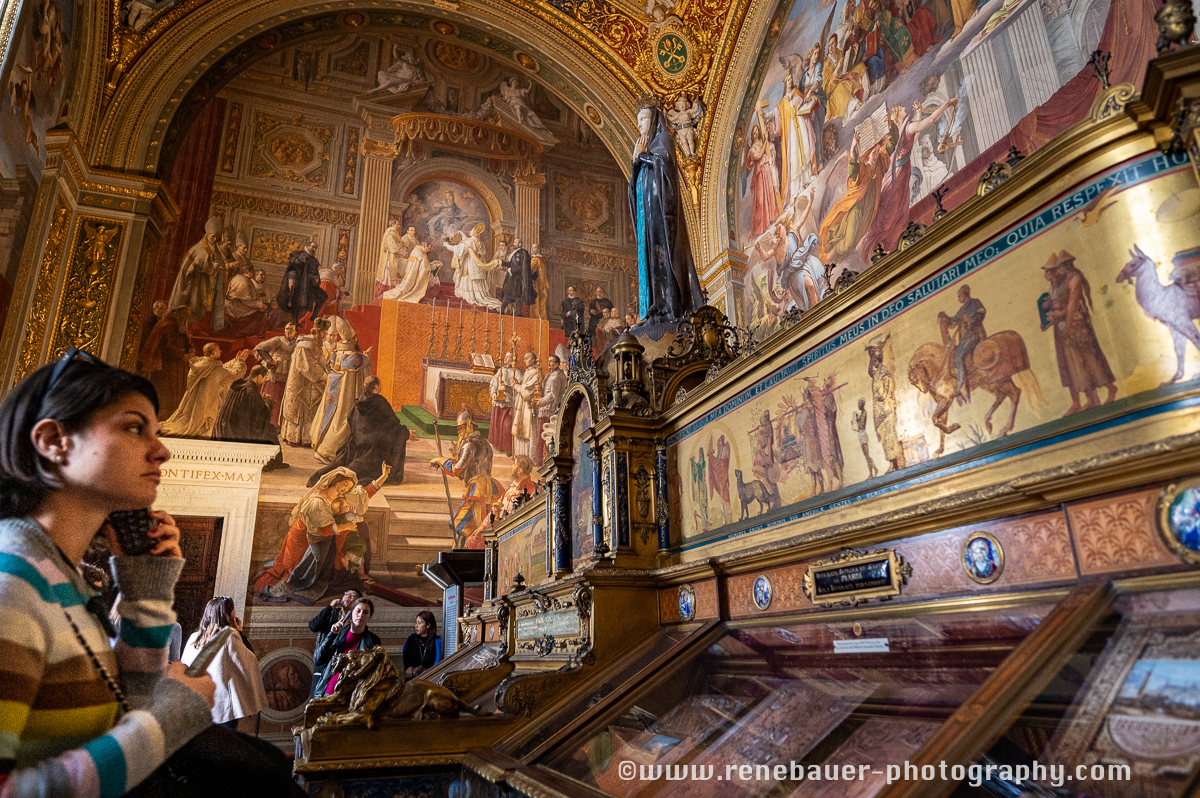
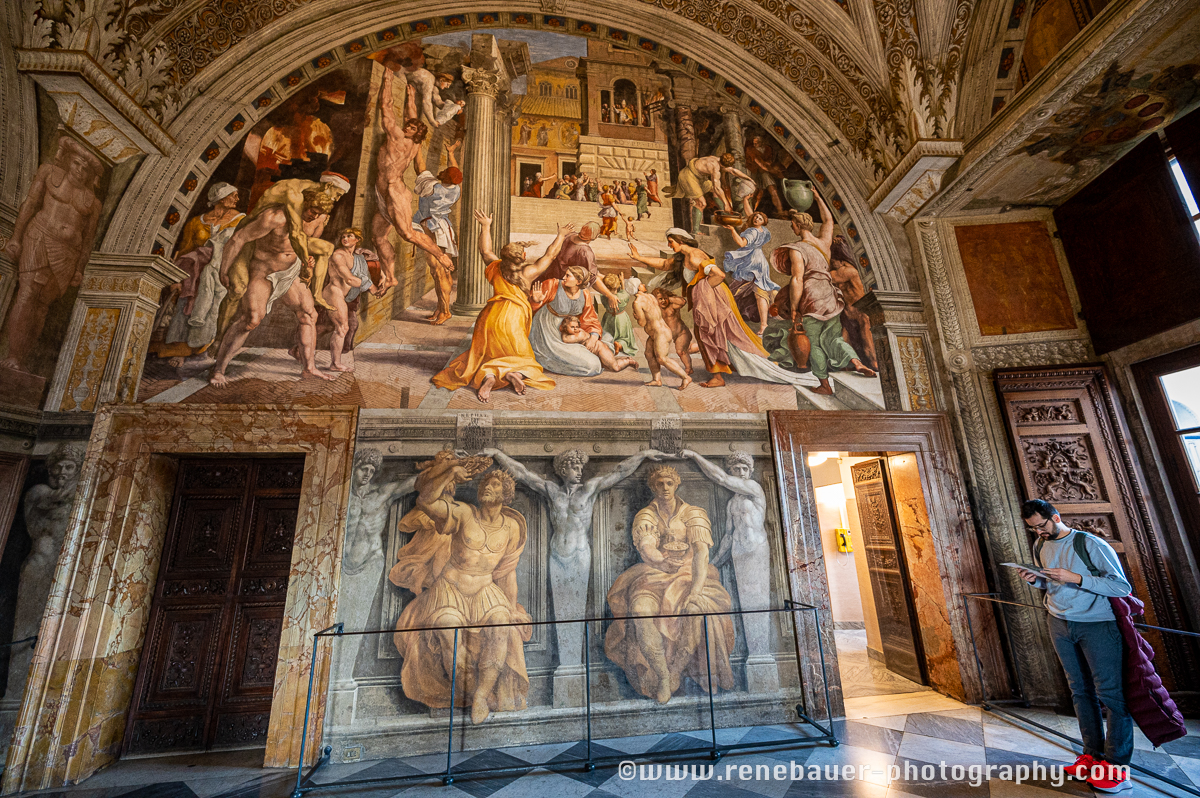
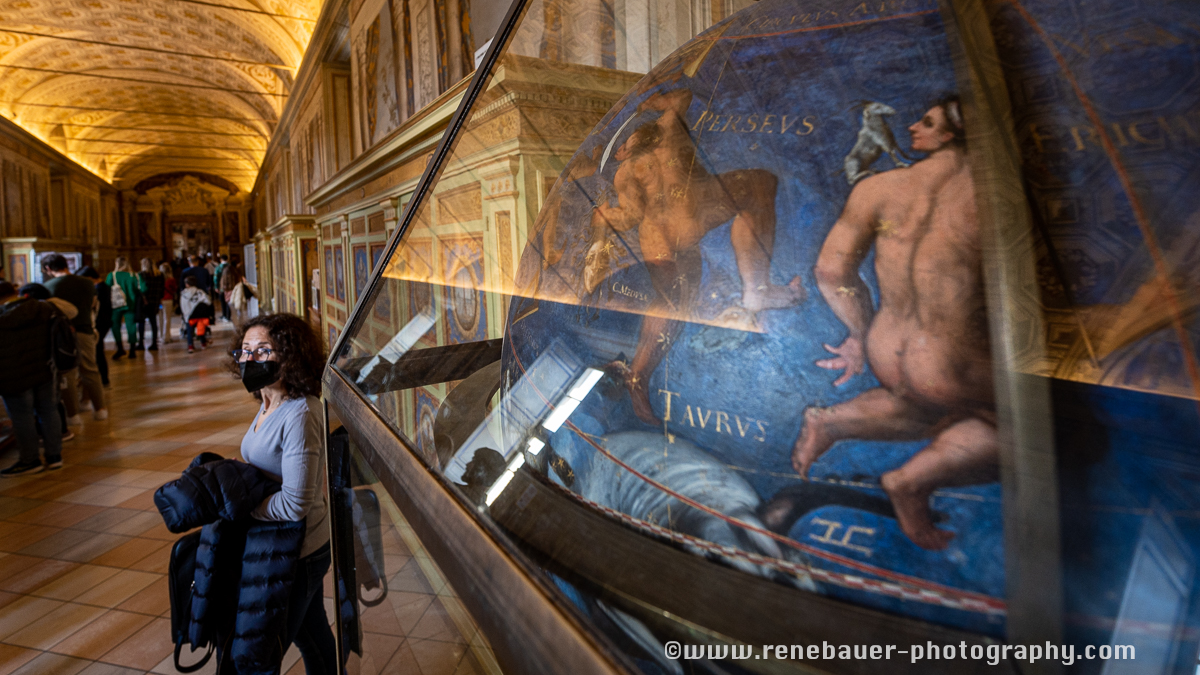
And so i got a glimpse of all the treasures the Catholic church collected over the past centuries and the art, sculptures and paintings they got from various artists in many of the rooms and halls.

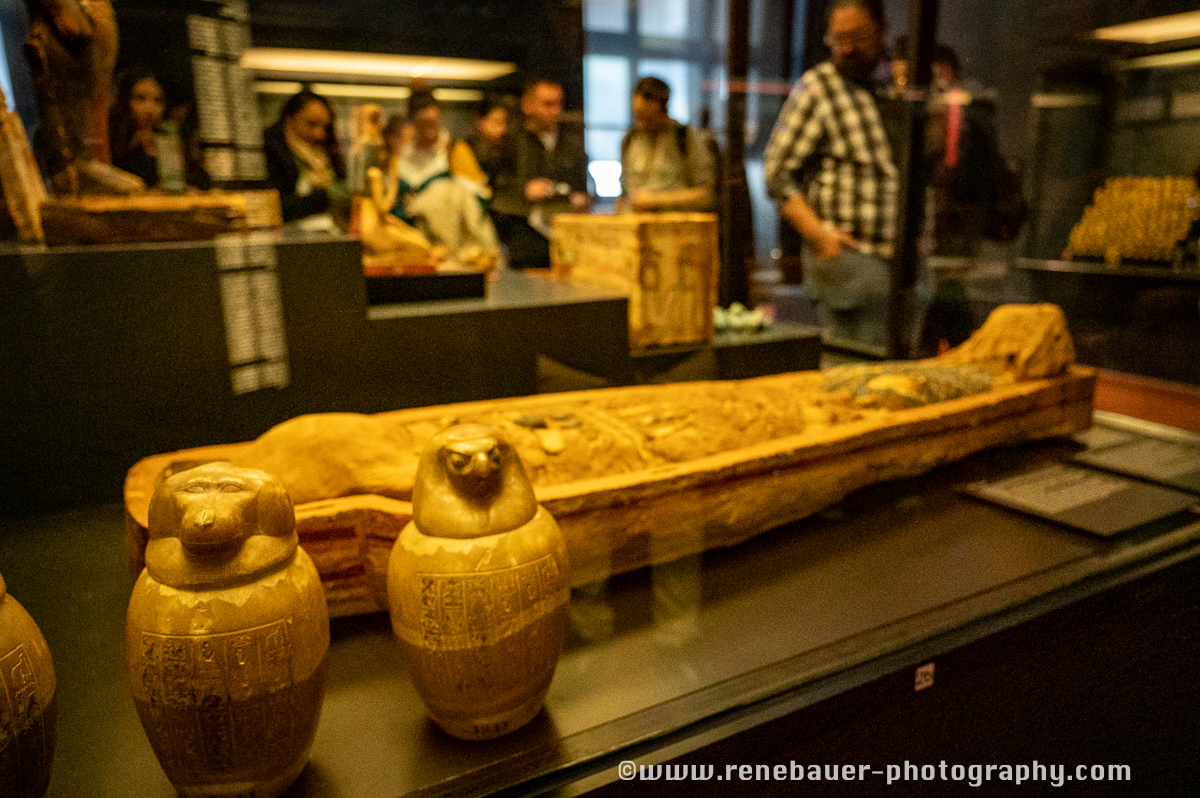
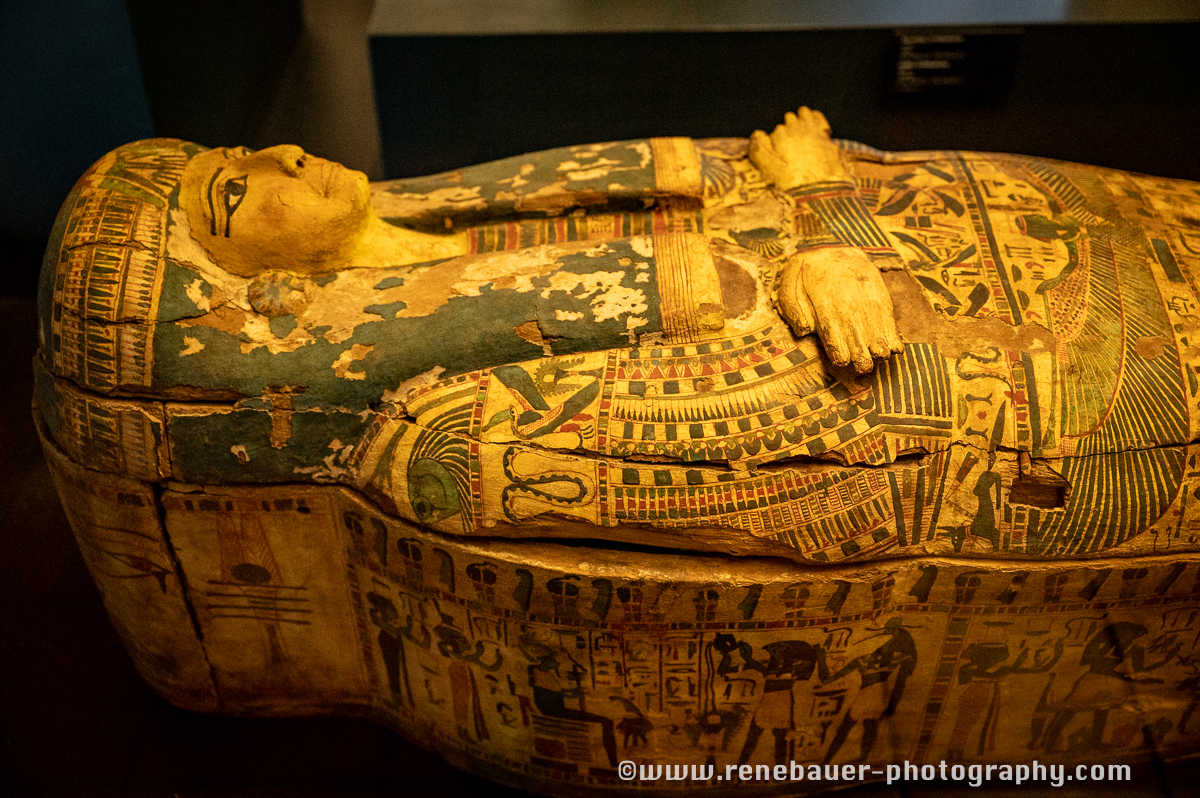
The first section i visited was the Egyptian museum. Does these even belongs here to the Vatican, i’ve been thinking. But then more and more sculptures, paintings, mosaics and huge tapestry followed on the other rooms.

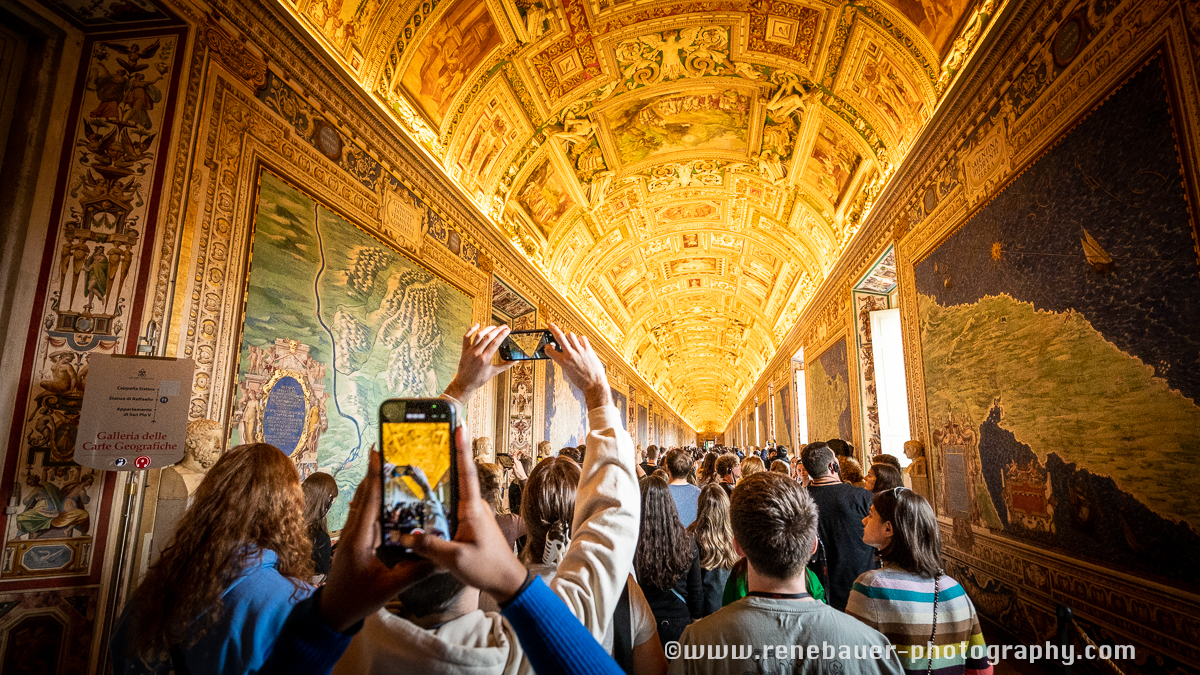
The tourists been waving with their phones, tried to capture the beauty of art in their pockets. So did i, more or less. But honestly, it’s hard to get a proper picture from the huge paintings in the wall, if you can’t inhale the spirit of the hall. In this way, it was just right to forbid to make photos in the amazing and world famous „Sistine Chapel“ There are guards, who not only watch out for illegal photographers, but also remind the visitors to be silent.

The Ancient Mine Of Ngwenya / Eswatini

After paying a small entrance fee, the guard at the gate jumped in my car and joined me up to the mine. We got to a halt in front of a huge dip. That’s all? That’s the mine? I asked myself a bit disappointed. From the oldest mine on earth I was expecting something more exciting. 

I was doubting about the age of this mine, till I looked up on Wikipedia about Ngwenya Mine. As my guide told me, the scientist dating back the first use of the hematite, or iron ore, for more than 40,000 years. It was used in the stone age for coloring the skin, probably as protecting from the sun.

But first we stepped into the remains of the former museum, which burned down by wildfire a couple years ago. Just in front of the ruins lies the deep hole from the old commercial mine. There are two more dips, the guide explains me. We drove further and parked at another mine dip, filled with water. 

From here we got on our feet and walked up to the highest point, the top of Mount Ngwenya. The last steps are on a steep latter. Stairways to heaven, slipped in my mind and followed me for awhile. From the top, a green wide valley opened up in front of my eyes. The sun rays plays with the clouds, draws pattern in the green landscape. The clouds sprays rain over it, as if it’s in a playful competition with the sun.

Eventually we got to the cave I mentioned earlier. Reddish rocks and ground all around here. Easy to imagine how the early homo sapiens was impressed of that colorful stone. My guide picked up some hematite and rubbed it on the back of my hand to demonstrate how the skin got colored. With the reddish stain on my hand we left the place, still imagining how 40000 years ago people was wandering these beautiful hills.

Kigali Genocide Memorial

At entrance gate every passenger has to get off the vehicles for security check. After the car is parked a friendly staff at reception welcomed me with a smile and explained me there is a photography fee of 20 US$ inside the museum building, but outside it’s free to take pictures. Due the low light in the exhibition rooms i decided to focus on the stories, and taking only few shots from outside.

Just behind the welcome hall a room with rows of chairs is prepared to show an introductory movie. A brief overview of the history and some heartbreaking stories of survivors of genocide brings the viewer goosebumps.

In the museum a path leads from display to another, shows photos and and explanations on big boards or short movies on screens. Another room displayed stained clothes, broken skulls and piles of bones from victims of this horrible time.

The head full of thoughts and impressions i took a short walk trough the area. There are mass graves on terraces just beneath the museum. Some dried roses laying on the concrete  lid of the graves and names of victims are carved in the stoney board next to it.

In the small, but pretty rose garden a few blossoms are left. And almost as sign for the future, the sun breaks finally trough the clouds and shines on the red flowers.

Solitaire in Namib Desert

A little spot, just south of the Tropic Of Capricorn sign, on the vast Namib desert marked as fuel station on the maps, but it’s far more than that. Not only fuel, snacks, cool beverages and cold beers are served here. It’s also the place for the most famous apple tart in Namibia. The German baker, who introduced that delicious dessert midst in the desert, passed away a few years ago. His apple tart stays for many more generations, hopefully.

The big eye-catcher are the old-timers and trucks standing around the fuel station. In colorful rusty conditions they attract people for a stroll between them and take a few shots for remembering.