Winter In Turkey: Gelibolu/Gallipoli

Winter in Turkey impressions #17: Gelibolu, also known as Gallipoli, gained sad notoriety after a disastrous battle on WWI with many thousands killed. In the history of the many New Zealander and Australian soldiers involved it bekam known as ANZAC day.

For me was it the end of an very interesting trip trough the history of times. But before i left Turkey, i met an very nice couple riding a Honda Africa Twin. A newly wed couple, it turned out, on their trip trough their own country. After a nice chat, i handed over a sticker, which i got from an other Turkish friend and motobiker.

Güle güle ve yakında görüşürüz. Teşekkür ederim Türkiyem!

Winter In Turkey: Troy/Troja

Winter in Turkey impressions #16: Troy is another very interesting archeological site. Already mentioned in ancient Greek by Homer. After they found the remains, the excavations shows different levels of eras of inhabitations.

Winter In Turkey: Ephesus

Winter in Turkey impressions #14: Ephesus surprised me not only with its sheer size and the huge roman theatre, but also with some incredibly well kept mosaics and wall paintings in some excavated houses. Lucky i arrived early, because i spent way much more time than estimated before. It was so amting to roam trough these contemporary witnesses from so many eras and history.

Israel – Masada, The Fortress On The Sky

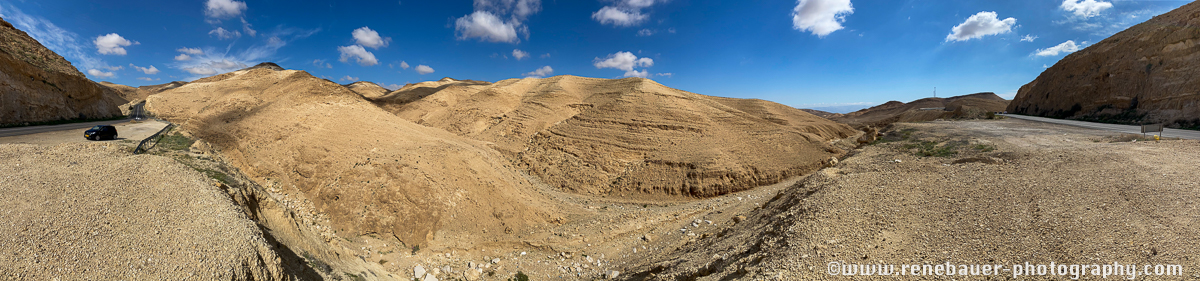
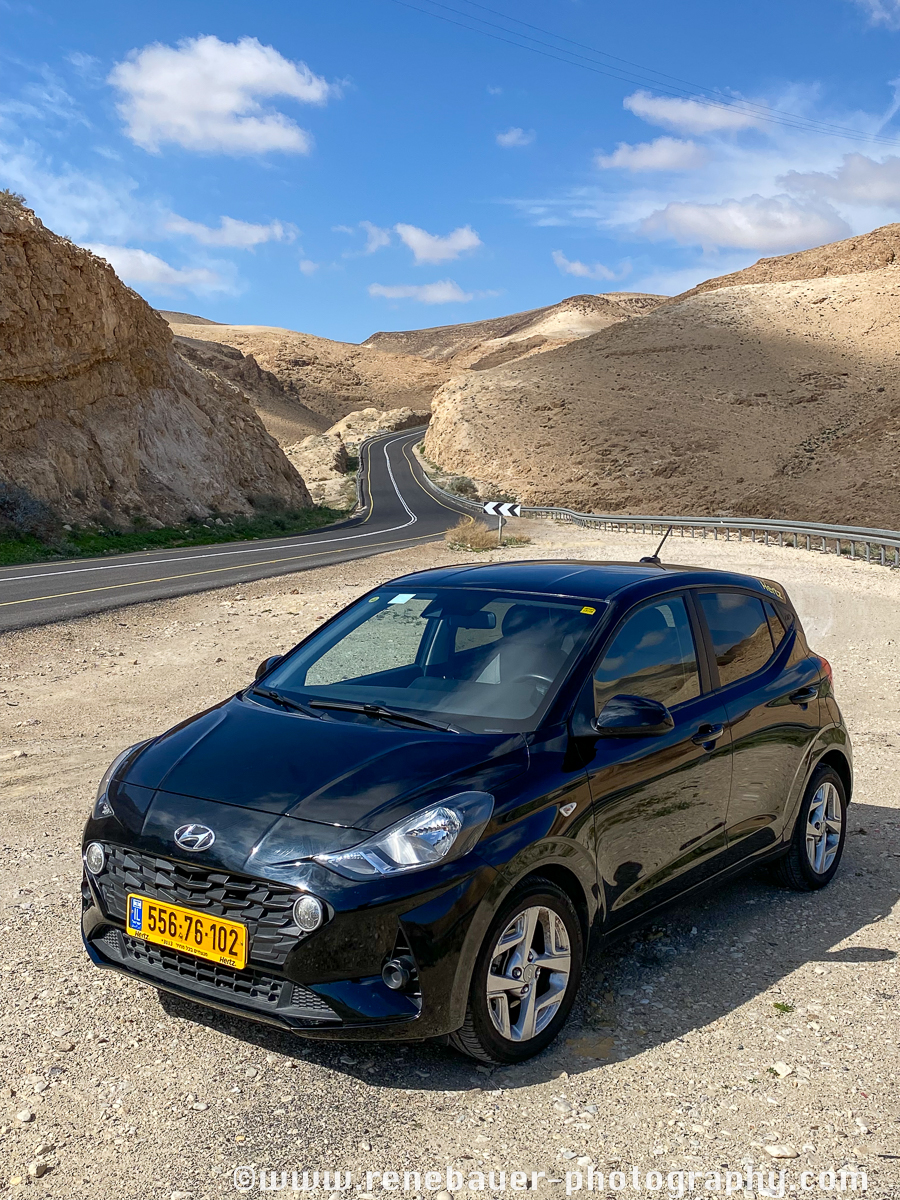
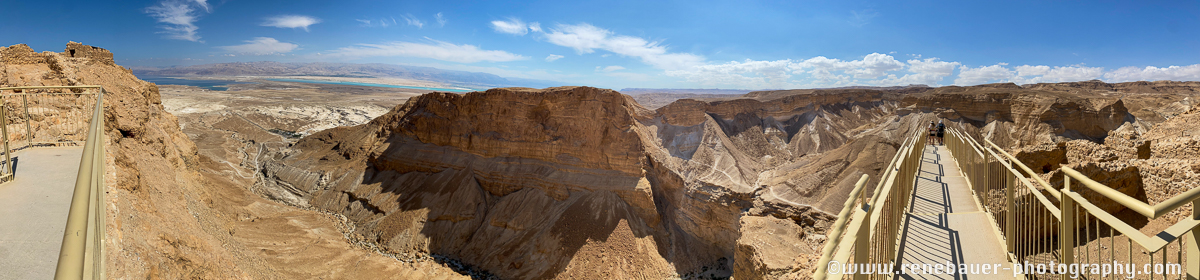
In the tiny rental car the Judaean Desert felt even more huge. A black bitumen road navigates between stony fields, rocky areas and along deep, dry valleys with some rare, green oasis. I have to admit, i always do enjoy traveling trough lonely deserts. All in a sudden a deep blue surface appeared on the edge of a plateau. I reached the Dead Sea region.

Not far from here i arrived at the foot of a mountain. On top of it is the legendary fortress of Masada.

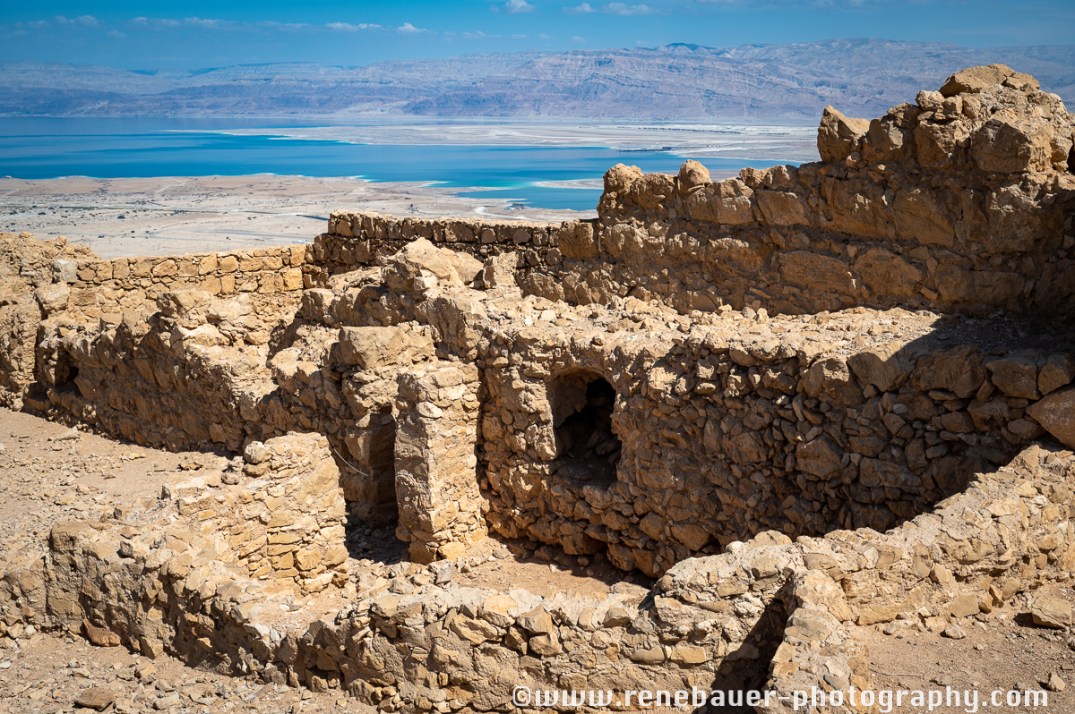
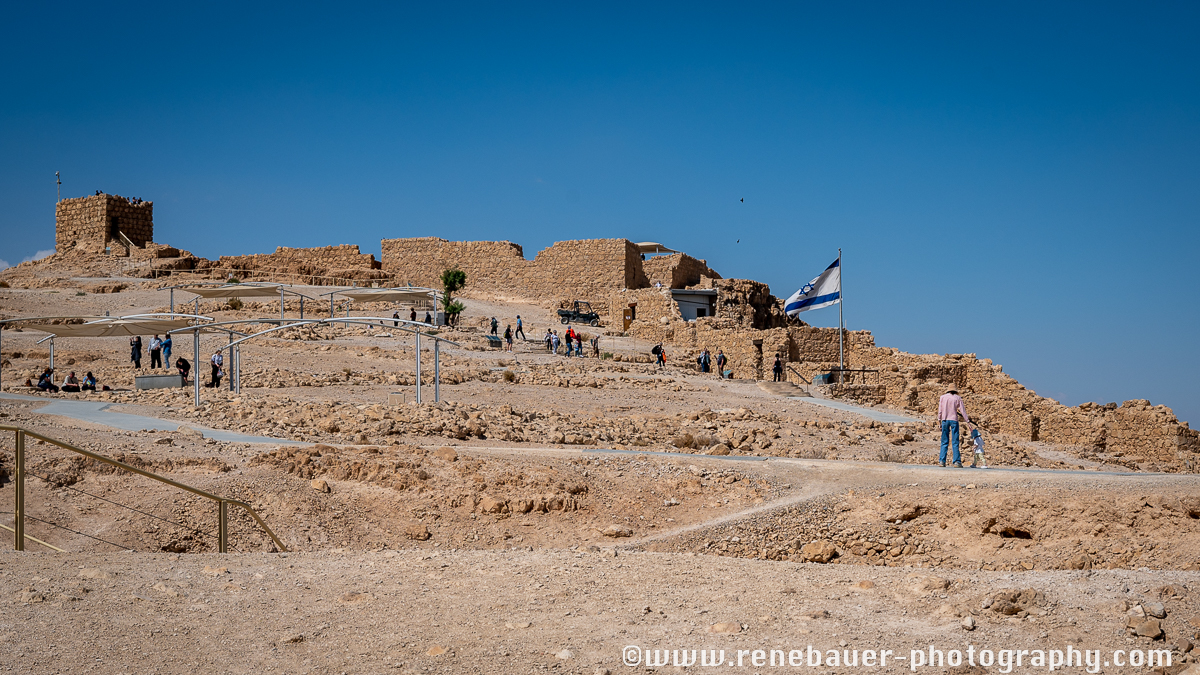
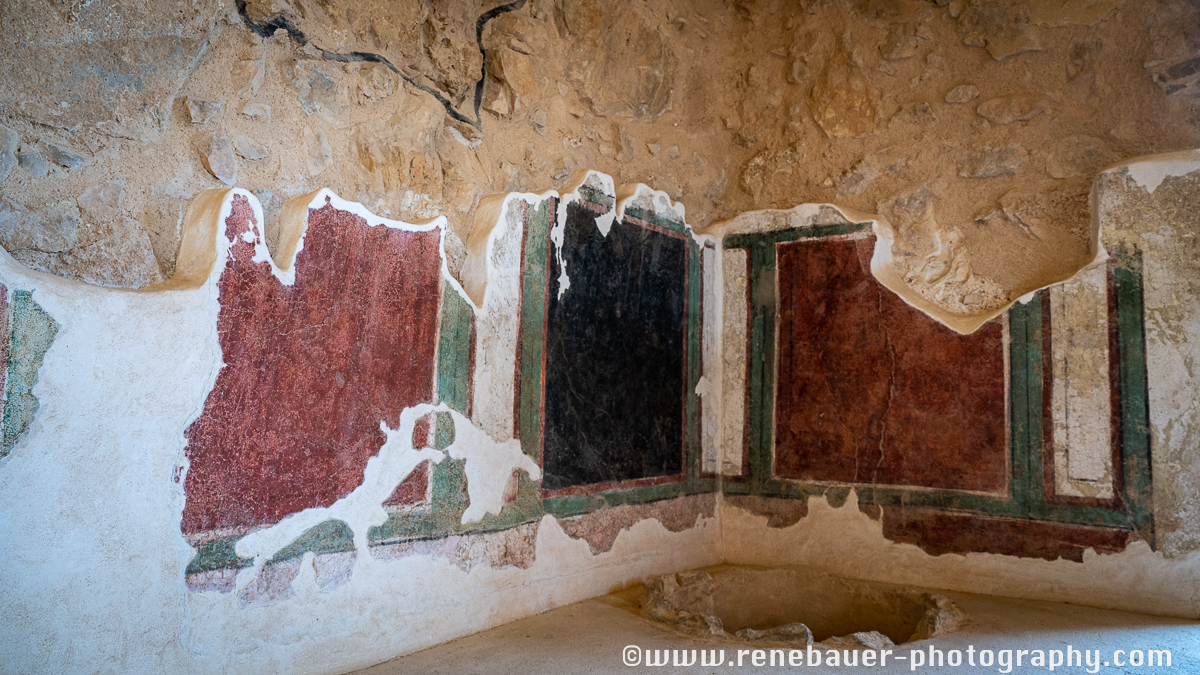
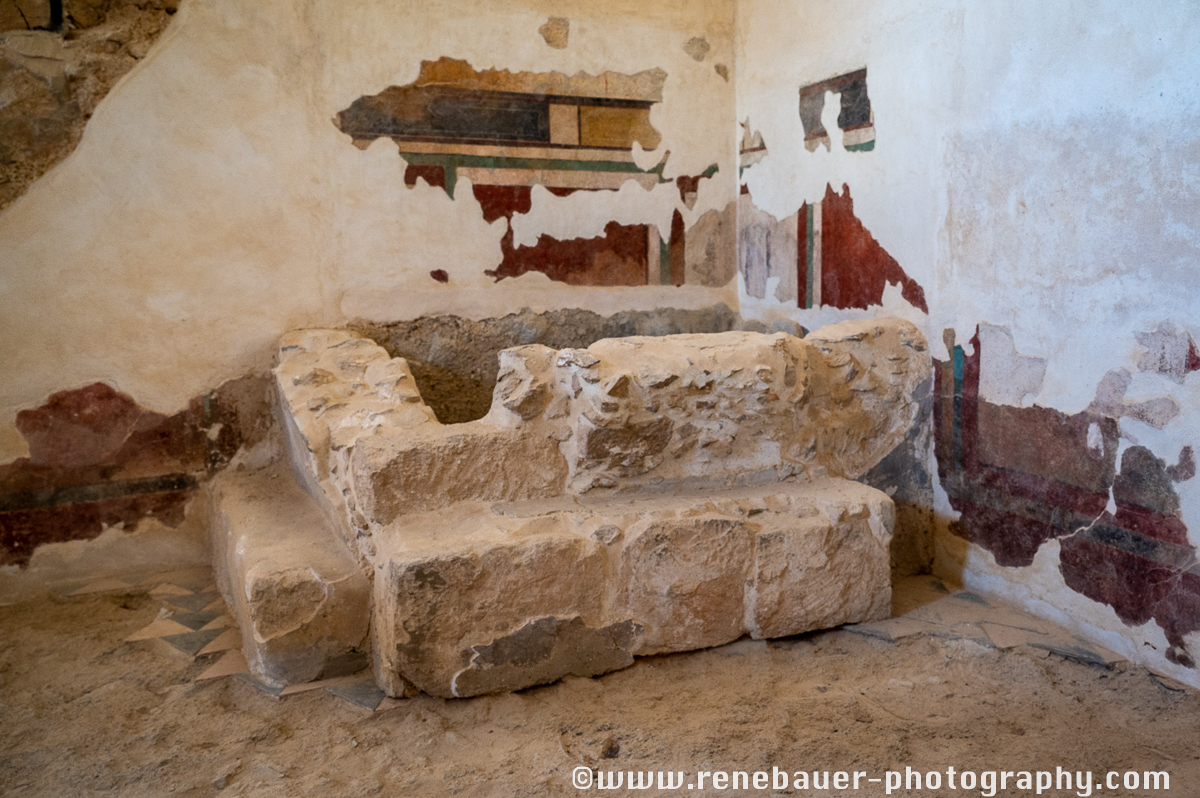
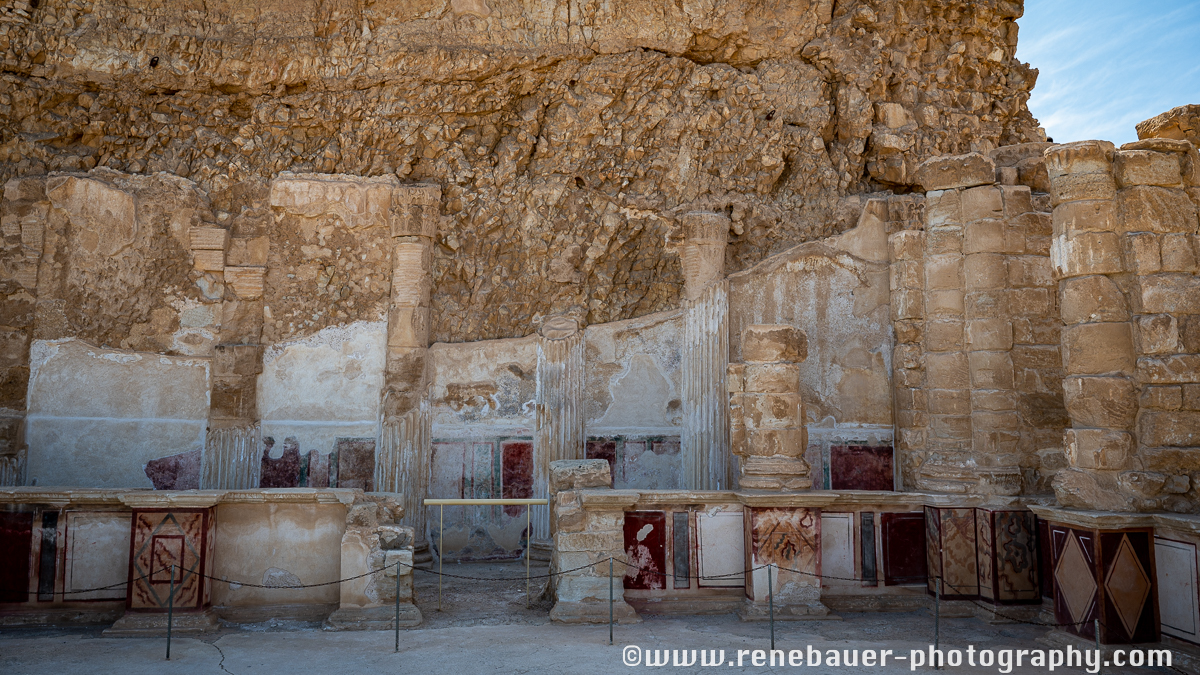
Built by Herod the Great it has two palaces for himself and fortified city on the plateau of the mountain. Beside the space for the inhabitants it also has huge storage rooms and a clever system of water drains and cisterns. King Herod enjoyed life up here with big, painted halls, terraces overlooking the Dead Sea and even heated baths.

Later the fortified city was occupied by the Jewish on the First Jewish-Roman War. The story tells a sad end of the folks up there. When the Romans besieged the fortress, they even build up a ramp to breach the walls. The people inside the city decided not to go in slavery but rather commit a mass suicide.

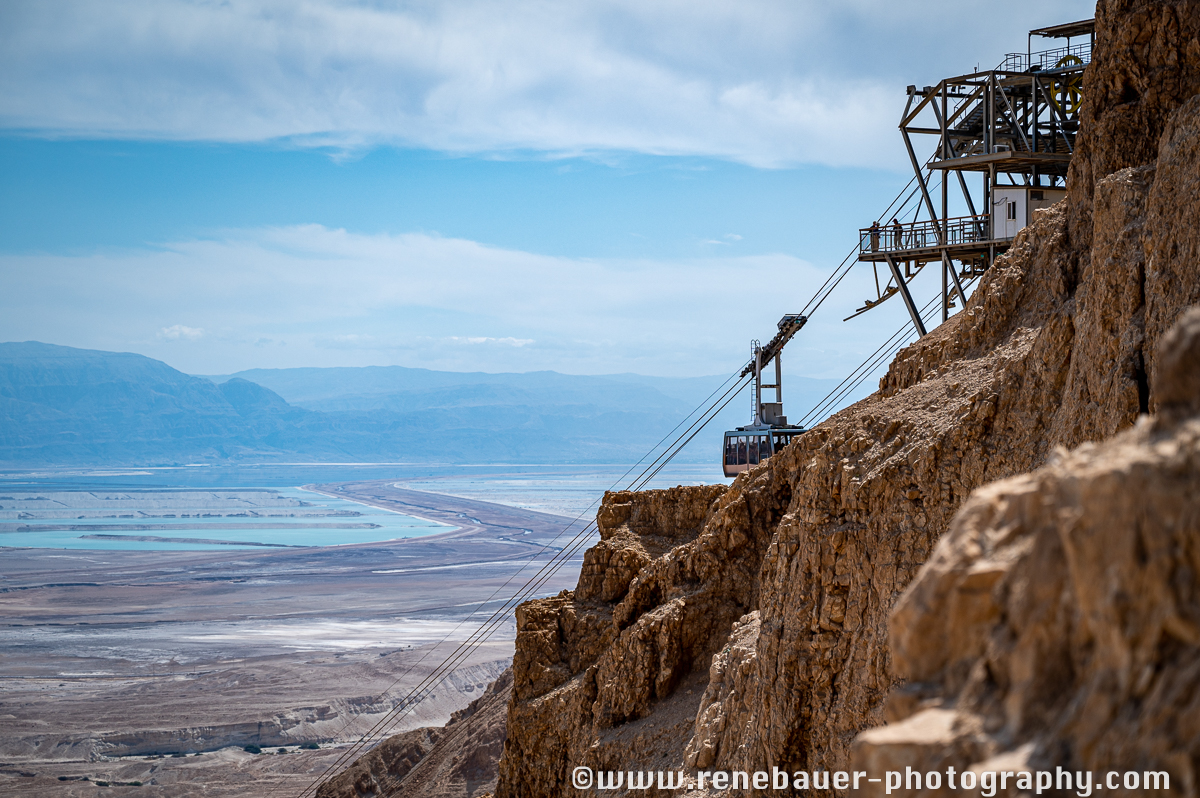
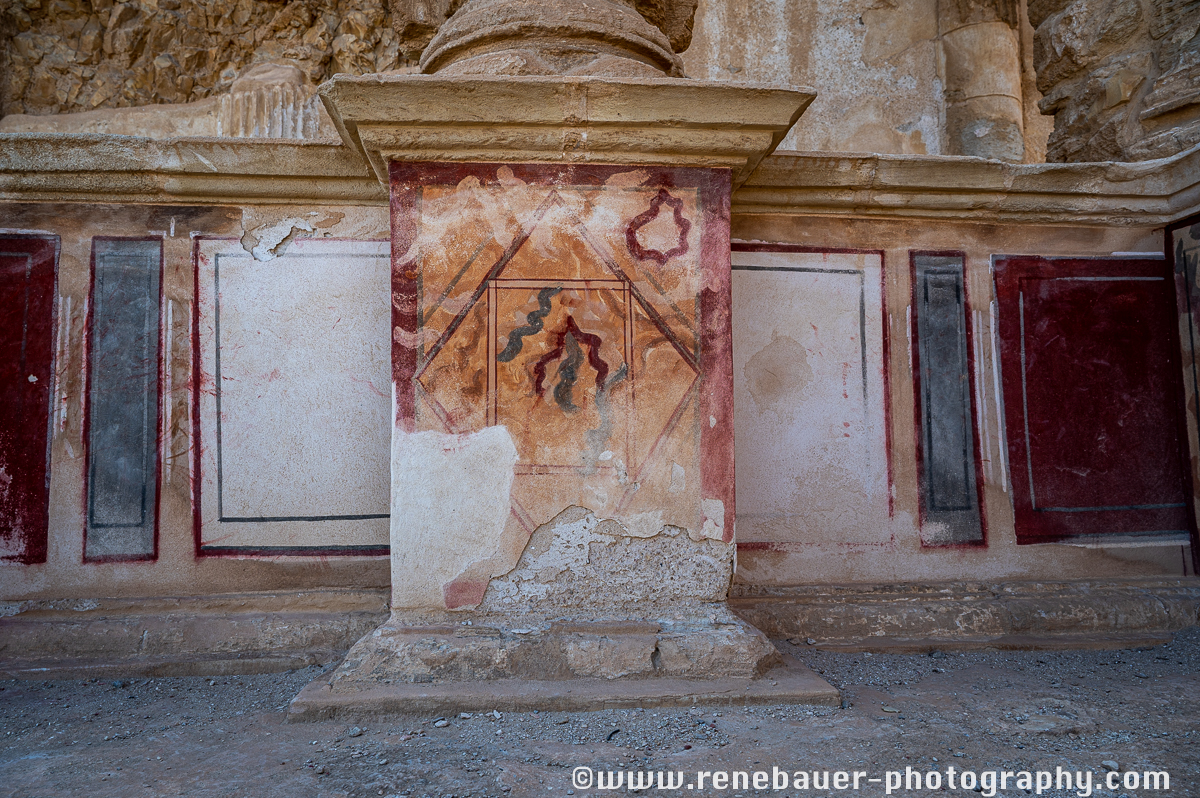
Nowadays a cable car brings the tourists on the top. There’s still a long, steep way uphill for the wanderers. I preferred to spend some time up there and wander between the ruins. Some wall paintings are still well preserved, as parts of the Roman bath is too. Even the earthen ramp, which was built to breach the wall, is still good to see.

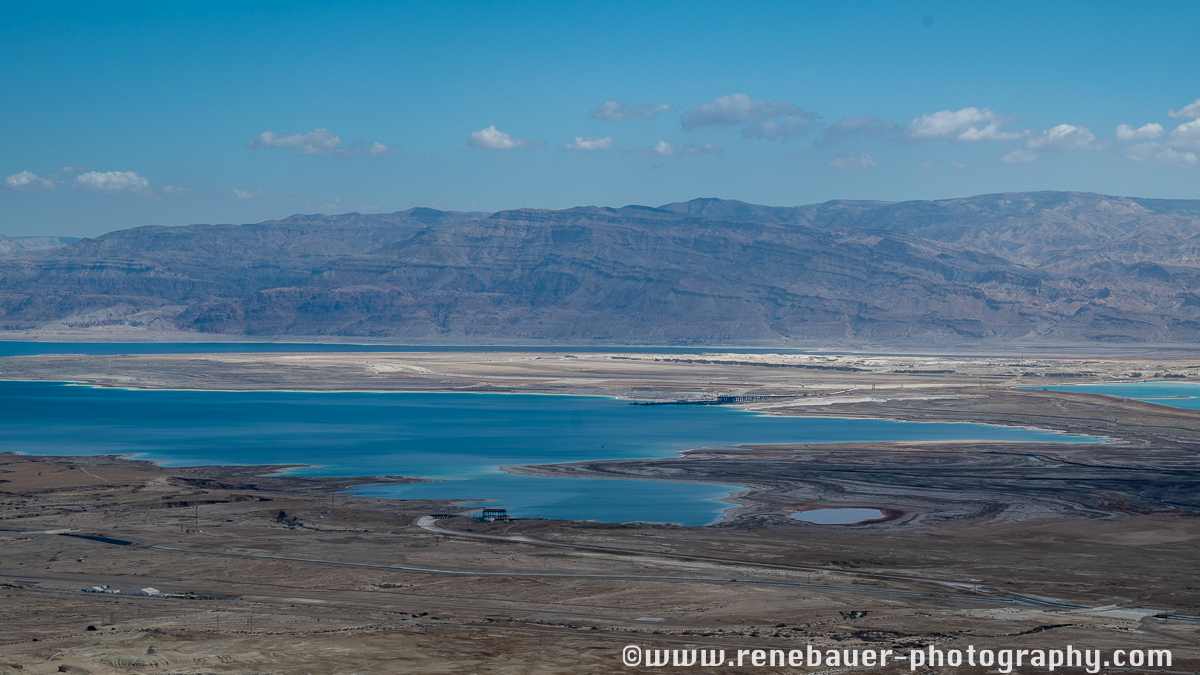
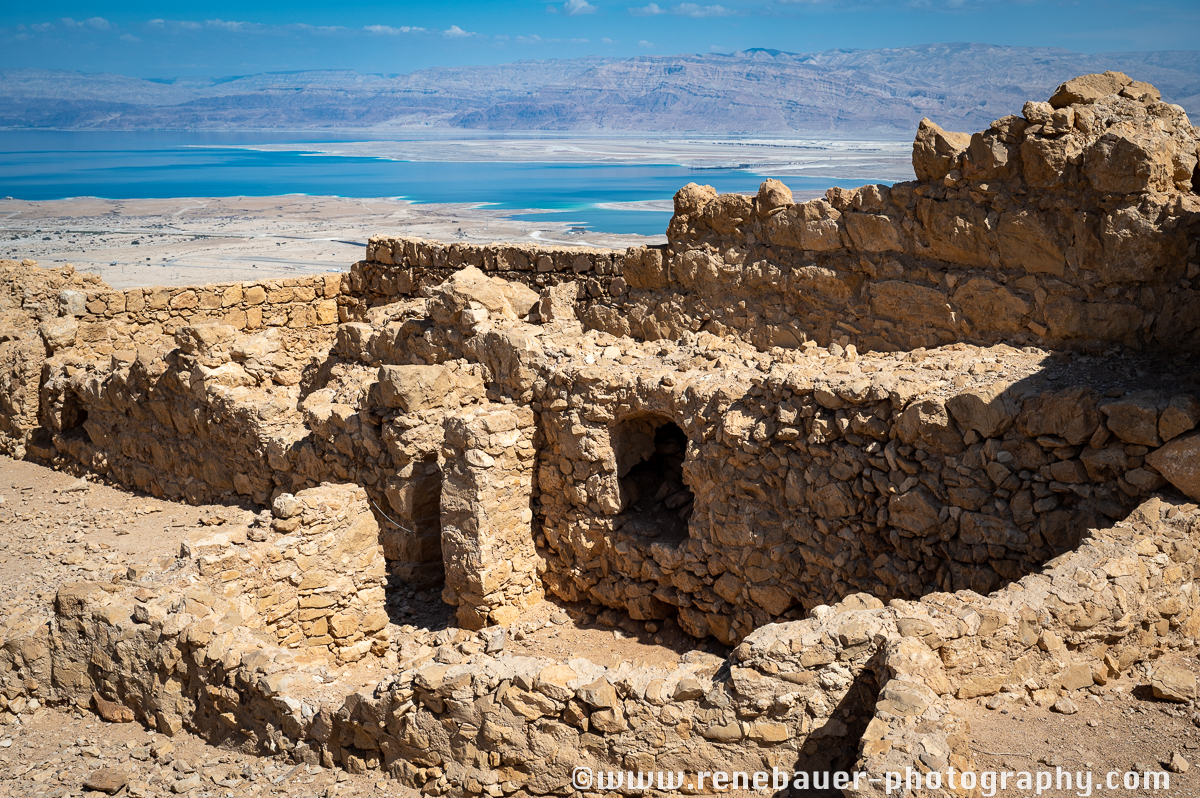
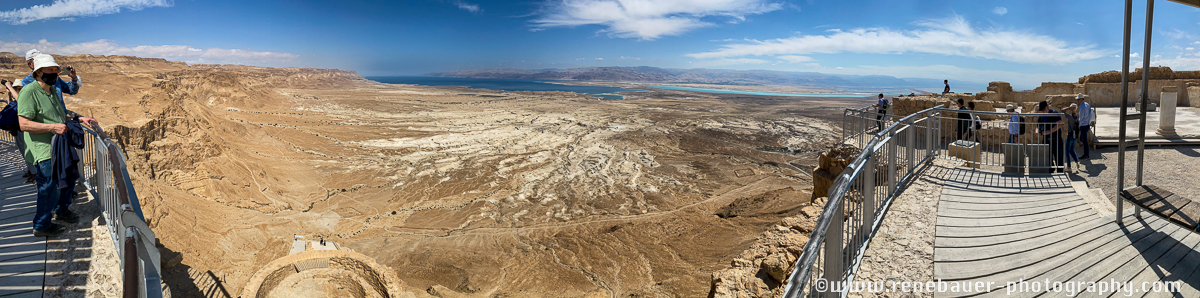
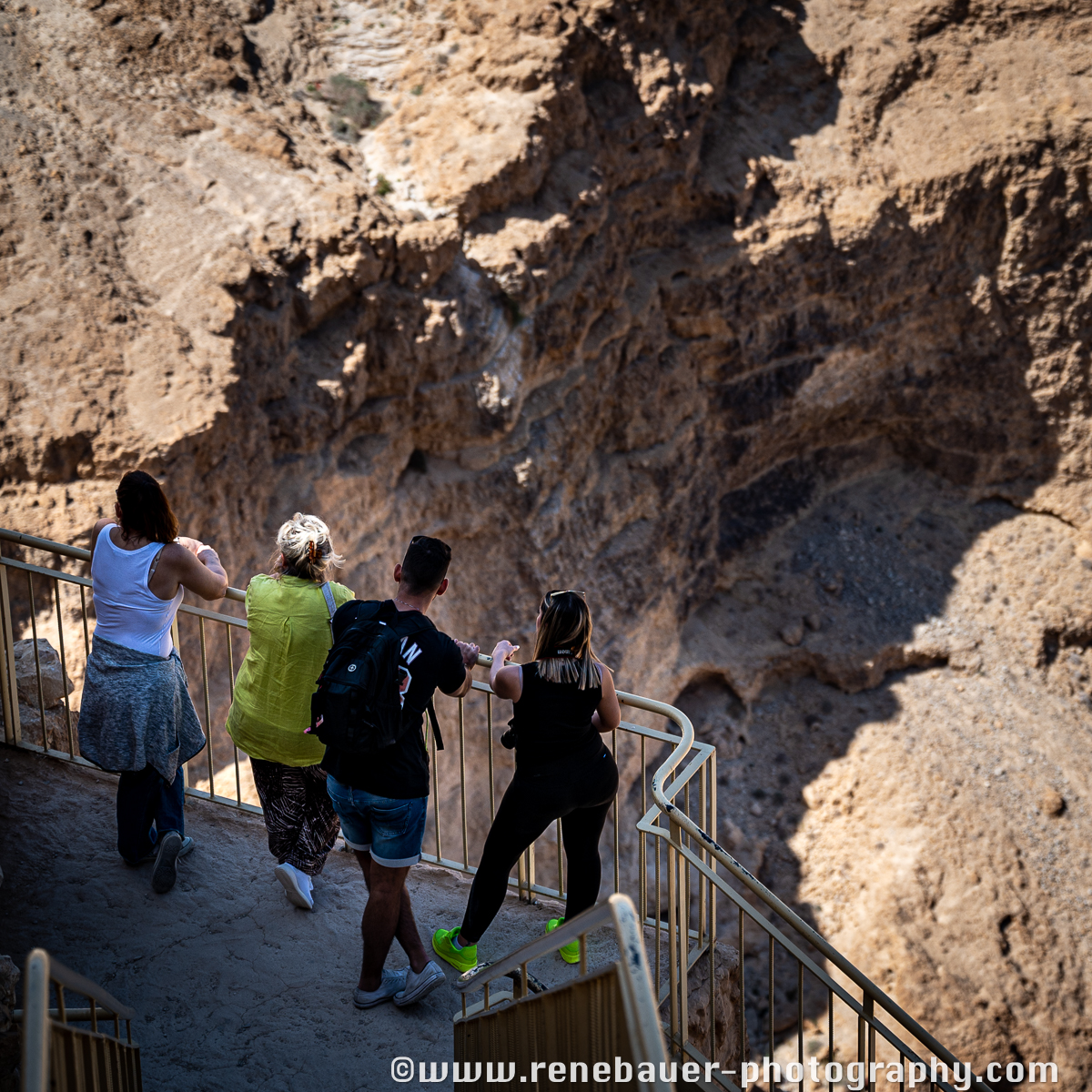
The view is just stunning. On the back raises the mountains of the desert with its nice rock formations. On the front lies the blue Dead Sea with the Jordan mountains on the other side. It was so beautiful and magic, i spent longer than planned, but regret not one minute of it.

Caesarea Maritima, Israel – Ancient Roman Life At The Sea

It’s not the most impressive Roman remains. Neither by its size, nor its preservation or buildings. The location is it, what makes it for a nice stop on my way up north along the coast.

And the location gave this town also the name: Caesarea Maritima For more details to its history follow the link i provide.

Altough there was already a few bus loads of tourists, the site wasn’t overrun. At the amphitheatre, overlooking the sea, a group of young Americans sang even a few short songs for the audience. I enjoyed it with the crowd, but later i went my own way.

The trick is, to bring patience and let pass the tour groups, try to move between the groups and find farther niches, which let me imagine how the life was around 2000 years ago.

Looking over the mosaic floor trough the archway and stepping out on the terrace to catch some sea breeze. Life wasn’t that bad here 2000 years ago…

OST-EUROPA-MOTORRADTOUR #26a: Chernobyl, zweiter Tag in der Geisterstadt

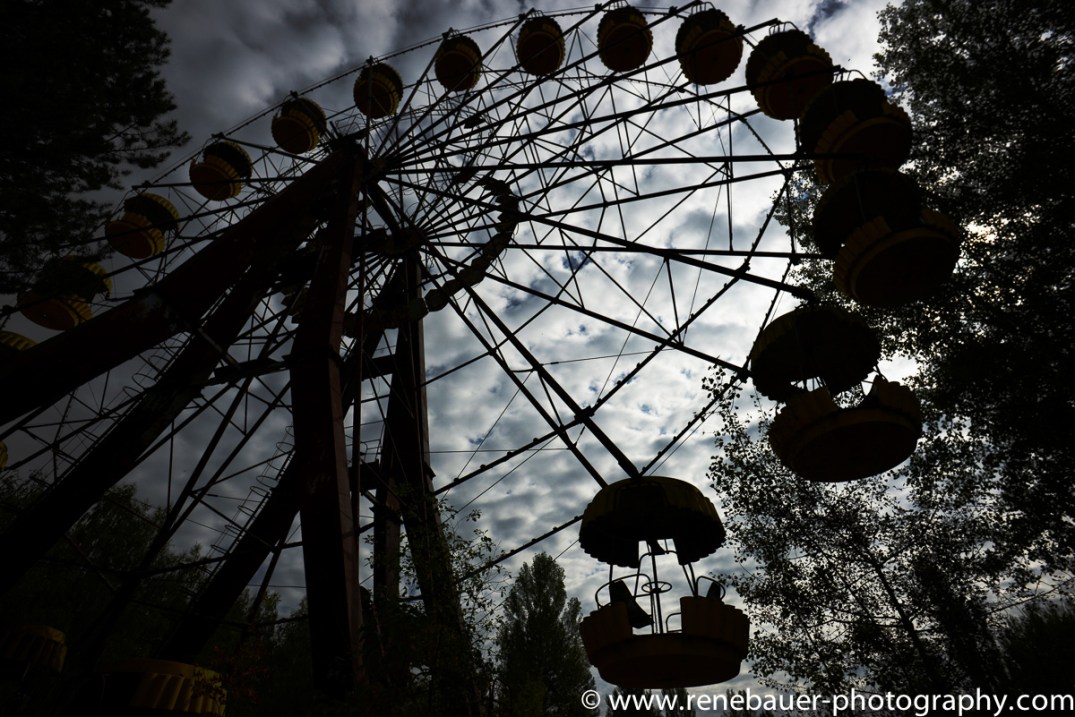
Pripyat, die Stadt die in unmittelbarer Nähe des Kernkraftwerks stand, hatte zur Zeit des Reaktorunfalls etwa 50’000 Einwohner. Es war ein weiterer Ausbau des Kraftwerkes im Gange und damit wäre die junge Stadt, gegründet 1970, auf mindestens 80’000 Einwohner angewachsen. Durch das Atomkraftwerk als guter Arbeitgeber war es eine prosperierende Stadt mit grosszügiger Infrastruktur und Angeboten. Der Supermarkt hatte vielfältigeres Sortiment, das Schwimmbad war in Olympiagrösse gebaut, viele Schulen und Sportplätze waren für mehr kinderreiche Jungfamilien ausgelegt. Ein Rummelplatz war eben gerade fertiggestellt worden und die Eröffnung für nur wenige Tage nach dem Unfall geplant. Unbenutzt nagt nun der Zahn der Zeit an der Vergnügungseinrichtungen. Anstatt ein Ort des Lachens und Vergnügens, wurde es zur Ikone des leisen, nuklearen Todes.


The Salt Factory

Ketwa, famous for his salt lake and traditionally production (see my last blog) has also an old salt factory. It was build and operated by a German company, but failed cause of wrong material used. It did simply rusted apart due the salt water. The government has new plans, but nothing happen yet. The manager kindly let me in for photos and showed me around, explained me the history and new plans of this factory.