
Marangu. There’s not much to say, but only to enjoy that calm, tranquil village on foot of Mt.Kilimanjaro. For a long weekend i could enjoy the hospitality of these friendly people and had a little inside of their daily village life.


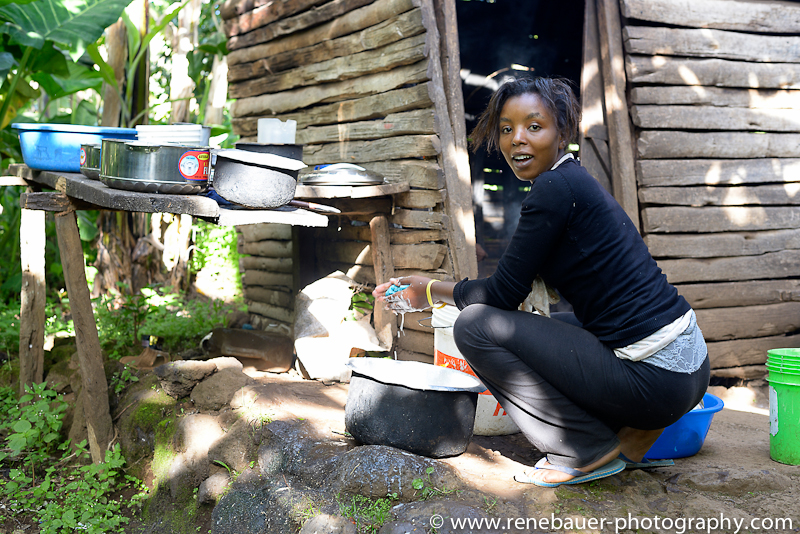
Marangu. There’s not much to say, but only to enjoy that calm, tranquil village on foot of Mt.Kilimanjaro. For a long weekend i could enjoy the hospitality of these friendly people and had a little inside of their daily village life.

A weekend out of town with two nice German guys. Nora, a friend of a friend, want show us her village in a more remote area. Just to travel to the foot of Kilimanjaro from Arusha is an experience itself. No, not an expedition, as many western visitors call any step they do in Africa, but daily life experience in a normal-crazy-traffic-way.
Lucky to find the express-bus almost empty, we got a seat at the back. All seats were occupied pretty quick and a western guy considered it „full“. But not the Tanzanian bus driver. As he drove off, every few meters he stopped again to take more passengers till they stand tightly packed in front of my camera lens. Surprisingly quite in the bus, but then my neighbors start to talk and laugh with me. Humor and patience also needed if a passenger from the back has to crawl all the way trough the crowd to get to the front door.
Dala-dala, are the mini bus version for shorter distances. Short in terms of just a few hours. Squeezed like fishes in a tin, i start to sweat and smell like a fish too. The sound of the engine, that thin, rattling ironskin of the vehicle and the bumping movements on uneven roads makes me smile. Not because it’s funny, but out of upcoming fear and images of accidents i saw on the road. And indeed, a sudden shot, a blast let the dala-dala slinger. Lucky the driver could stop at the side of the road without anybody get harmed. A tyre puncture is very common, and having a look on the tires, no one wonders why.
Where the data-dala stops, are only taxis or moto-taxis, so called „toyos“, which brings one further. Our taxi driver couldn’t afford the latest model of a car, nor a proper repair or replacement of broken parts. Anyway, the look trough the spiderweb-like windscreen has its own character.
Arrived on foot of Kilimanjaro, the only way to go further is by foot itself …until the highest point of Africa, for people who want give themselves the challenge and are willing to pay a big amount of money for the fees and tour agencies. For those who decid to climb the mountain very spontaneous can hire the gears just at start point. The three of us are just happy to get a coffee at Nora’s place and have a rest.


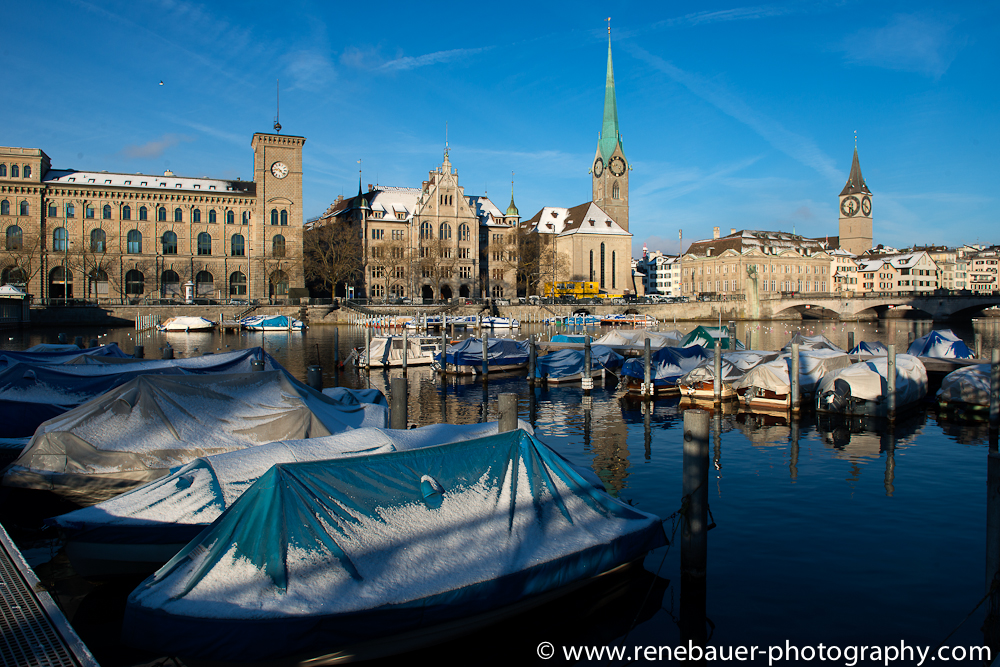
A series of quit recently made pictures from zurich


It’s rather ironically i couldn’t visit and photographing more ‚Onsen‘, as Japanese call their typically bathing places. Around Yufuin are many hot springs, therefore it’s famous for many public bathing places. Often they are settled in lush gardens, midst in a forest or surrounded from rocks. Sulfuric steam crawle over the ground, damp air rise above a volcanic area, when approach one of the Onsen. Three wooden walls and a roof are attached around a traditional hot bath area. After cleaning with a bucket shower, the visitors sit in more than 40°C hot water. Some young students from Tokyo share the bath with me. They came all the way just for a relaxed weekend in some Onsen here. „But i also like girls“, confess one of them. A shame women are usually separated since people use to enter an Onsen naked. Some families have their own bath. The hot water is collected from the source into tanks, from there pipes leads to private houses or small public bath. Of course there’s also bathrooms in Ryokan (traditional Guesthouses), some of them very nice settled towards garden. A must to end the day with a hot, relaxing bath.
Yufuin und seine Umgebung sind berühmt für die heissen Quellen und will noch mehr Bekanntheit als Kurort erlangen. Da ist es schon fast Ironie, dass ich nicht noch mehr traditionelle Bäder -‚Onsen‘ genannt- besuchen und fotografieren konnte. Einige davon sind wunderschön in dichten Gärten gelegen, mitten im Wald oder in Felsen eingebaut. Weiter oben in den Bergen stinkt es nach schwefligem Dampf, der von vulkanischem Untergrund hochsteigt. In der Nähe befindet sich eine Hütte, dessen hintere Wand offen ist. Nach dem Betreten, zieht man sich aus und reinigt sich erst mit der Duschbrause oder Eimer. Sauber steigt man dann in das über 40°C heisse Badewasser. Hier gesellen sich ein paar Jungs aus Tokyo hinzu, die eigens für ein relaxtes Wochenende herflogen. „Aber ich mag auch Mädels“ gab ein Student mit verschmitztem Grinsen zu. Diese sind aber in eigens für Frauen vorgesehene Badebecken. In den Ortschaften haben einige Familien ihre eigene Oasen. Das heisse Quellwasser wird in Reservoirs gesammelt und von dort aus in Leitungen verteilt. Wer über kein eigenes Bad verfügt, kann sich für wenig Geld in einem öffentliches Bad relaxen. Natürlich haben die Ryokan, die traditionellen Gasthäuser, eigens Oasen für ihre Gäste. Nichts ist herrlicher, als am Ende des Tages noch in heisses Bad zu steigen.


At breakfast i found this popular Japanese mushroom on my plate – shiitake. If literally translated the meaning is tree-mushroom. To the explanation follows an offer to see a mushroom farm. Fifteen minutes later i sat on a taxi to greenhouse. Piles of wood with white dots are stabled in a large room. These dots are little drill holes, where the mushroom get vaccinated in. With the right temperature and humidity, the shiitake spreads out the wood and get harvested after about six month. It’s not only a delicious adding to the rich Japanese food, but also a very healthy one.
Beim Frühstück bemerkte ich Pilze auf meinem Teller. Der in Japan beliebte Speisepilz -Shiitake- heisst übersetzt Baumpilz. Und auf Holzstämme wächst er auch, lasse ich mir erklären. Spontan wird mir angeboten, eine Pilzfarm zu besuchen. Kurz darauf befinde ich mich im Taxi dorthin. In Gewächshäuser stapeln sich Holzstämme mit auffällig weissen Punkten. Diese Punkte markieren die Bohrlöcher, wo das Holz mit Pilzsporen geimpft wurden. Danach werden sie in Gewächshäuser unter idealen Bedingungen, Temperaturen und Luftfeuchtigkeit gelagert bis die Pilze aus dem Holz spriessen. Etwa sechs Monate braucht es bis zur Ernte. Roh, gekocht oder getrocknet bieten sie eine leckere Ergänzung zum japanischen Speiseplan und soll auch noch sehr gesund sein.


The Flora House is not only the name of a traditional Japanese hotel, so called ryokan, but the concept of this family run accommodation. The cosy rooms and an ‚onsen‘ ( a hot bath with water direct from hot springs) with view of mount Yufu is worth to stay a couple days. The food too is absolutely delicious. The owner explains proudly how they use all ingredients from own garden and greenhouses or at least from nearby area. When the belly got satisfied, a bath in the scents of the most beautiful flowers and orchids is another delight.
Flora House nennt sich das Ryokan (traditionell japanische Unterkunft) zu recht. Blumen und Orchideen finden sich überall um’s Haus und in den Gewächshäusern. Diese liefern auch die Zutaten für das leckere Essen. Stolz erklären die Besitzer, dass alle Zutaten aus eigener Produktion oder zumindest aus naher Umgebung kommen. Und so schmeckt das Essen auch; frisch, lecker und authentisch. Gemütliche Zimmer und ein heisses Bad ( Onsen genannt), gespeist von den heissen Quellen der Umgebung, machen den Aufenthalt zur Kur.


Die Hagia Sophia, der Topkapi Palast, die Brücke übern Bosporus …aber Istanbul ist weit mehr als die bekannten Touristenziele der Metropole. Kreuz und quer durch die Stadt gehend lässt sich mit offenen Augen und der Kamera in der Hand so einige überraschende Momente einfangen!
The Hagia Sophia, Topkapi Palace or bridge over Bosporus are nice …but there is much more what Istanbul has to offer. The soul lies deep in the alleys and hidden in the nightlife of that amazing city. With open eyes and heart and the Nikon in the hand there are maybe some moments of the city to capture.


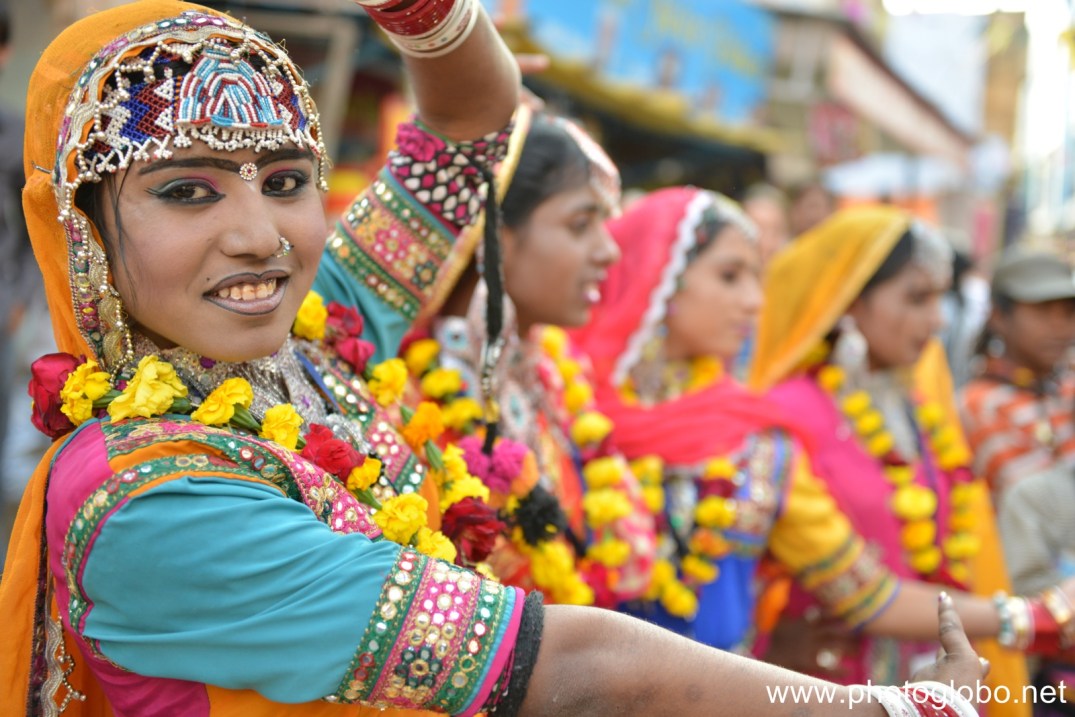
Weihrauch und Duftkerzen umwehen die Nase,
würziger Masala Tee umspült den Gaumen,
farbenfrohe Kostüme wirbeln vor den Augen,
dumpfe Bässe lassen die Haut erzittern
und laut dröhnt der fröhliche Gesang im Ohr.
Mit viel Glück durfte ich sehr kurzfristig als Festival-Fotograf teilnehmen. In sechs Tagen fanden 40 Konzerte mit 350 Musiker auf verschiedenen Bühnen, vor Tempeln und auf der Strasse statt. Daneben wurden Workshops, Filme, sowie Yoga- und Meditationsstunden angeboten.
Das Blue Lotus Festival fand das erste Mal überhaupt statt. Trotz der geringen Besuchermenge, wetterbedingten Schwierigkeiten (wer erwartet schon Regen in der Wüste?) und einigen behördlichen Hürden (die Polizei unterbrach ein Abendkonzert wegen „fehlender“ Bewilligung, das aber nach kurzer Unterredung weitergeführt werden konnte) waren sich alle Beteiligte am Ende einig: Dieses Musikfestival war ein tolles Erlebnis das keiner missen wollte! Schwer in Worte zu fassen und in Sätze zu quetschen, wie diese Musik das Innerste erzittern, der Rhythmus die Füsse schweben und die Farben die Augen blenden liessen.
Ich hoffe die Bilder und Impressionen geben etwas von der Atmosphäre wieder, die für die beteiligten ein unvergessliches Erlebnis bleiben wird.


 rene bauer photography