The Cold-Wet In The Italian Apennin

Bad weather forecast for all the Northern Italy. Not only cold, but also lots of rain was predicted. No fun for camping at all.

I had to move on anyway. So i looked up for an alternative route and accommodation.

Go to the Apennin, they said. It’s fun, they said.

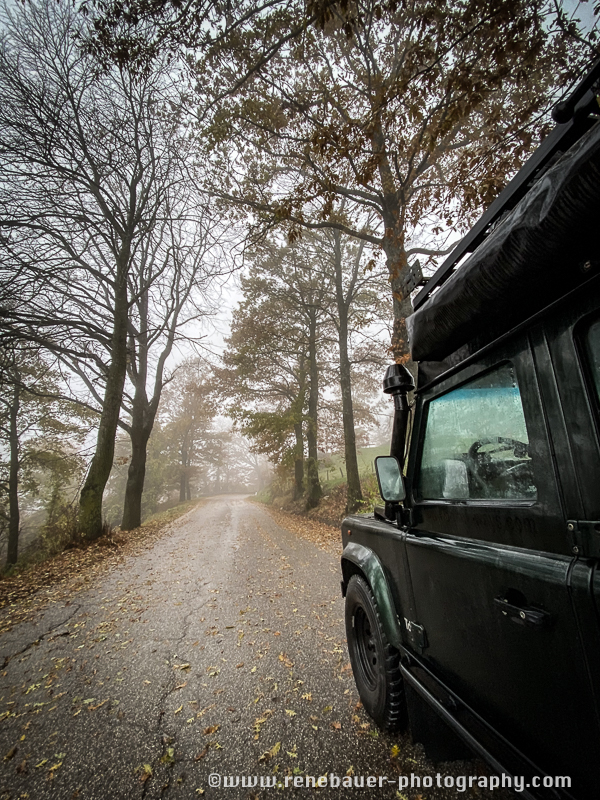
Fortunately i booked an apartment, i thought, when the cold creeped in the car as i gained more and more altitude. Around 1200 m a.s.l. the narrow, winding road got snow covered and icy.

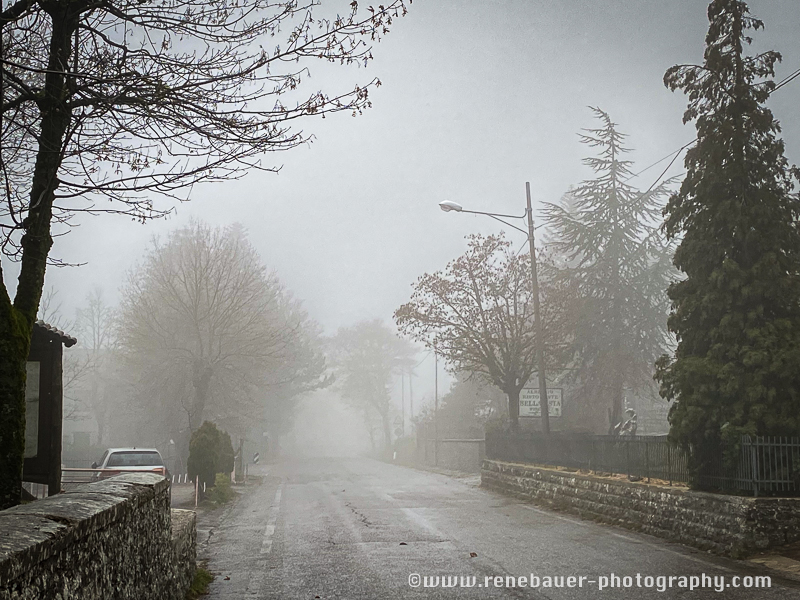
Happily and safely i arrived that small unknown village, hidden in the thick fog,

Nobody to see on the street. Even the building, where i booked my apartment seemed abandoned. Only the neighbor opened his window, glared to my car and let me know, i’m parking on his property and have to move the car on the right place. The neighbor watch works all over the world, i thought amused.

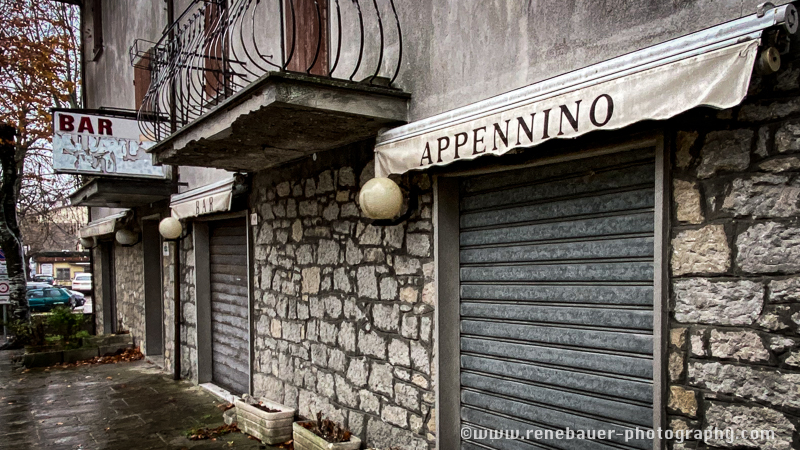
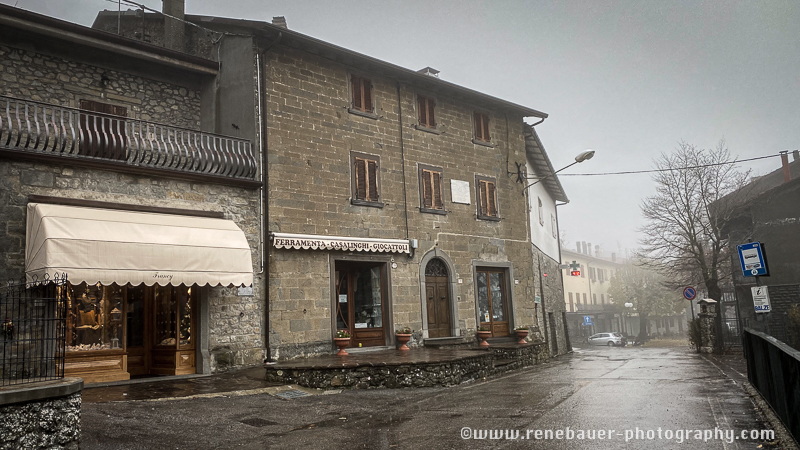
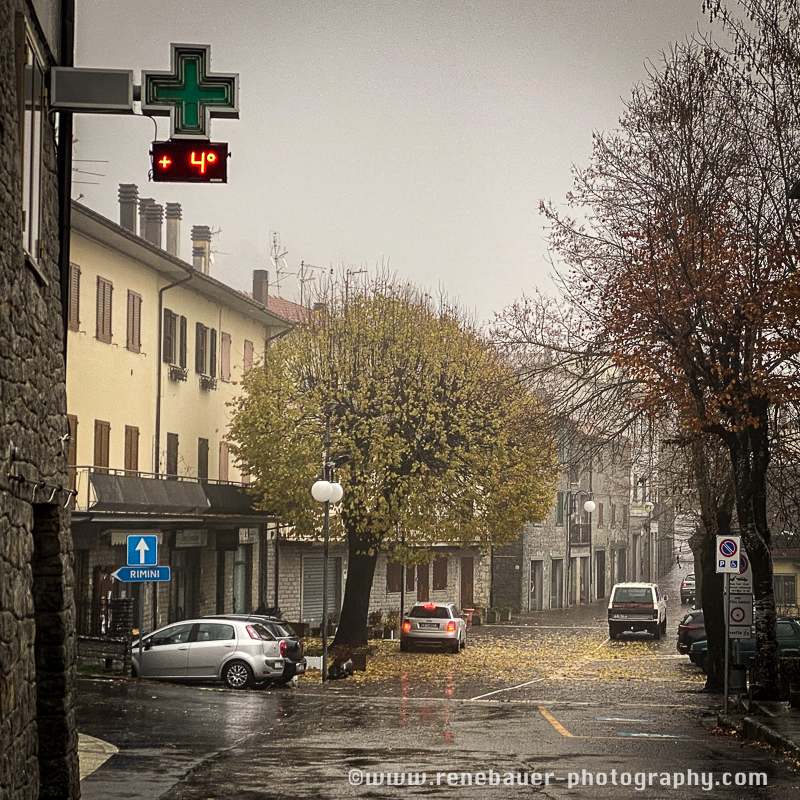
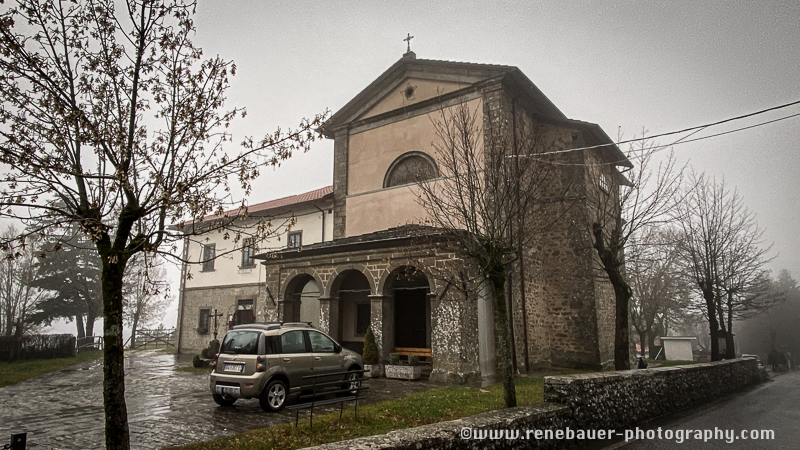
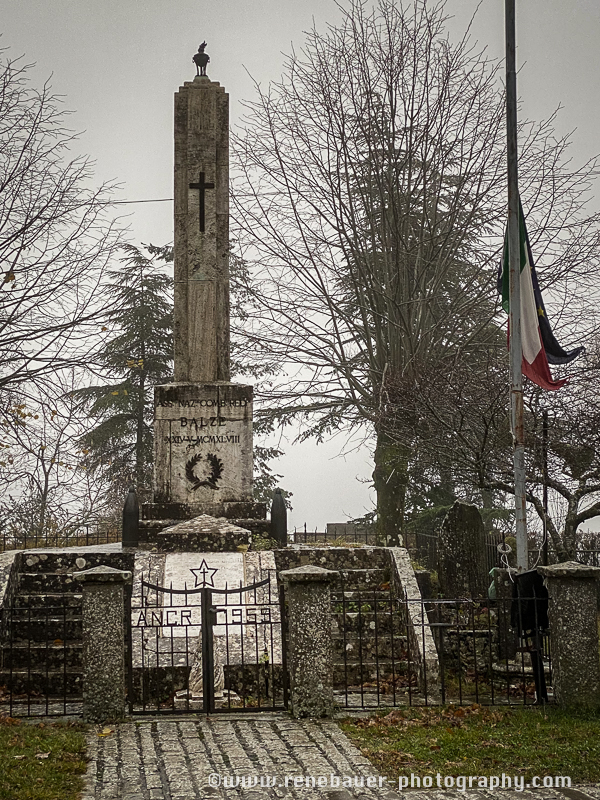
Eventually i got into my warm, heated rooms and went out to explore the village. I passed the church and the memorial, which looked even more sad in the cold. A board at the pharmacy shows 4°C only. Many shops are closed down for the season. So are most restaurants and bars.

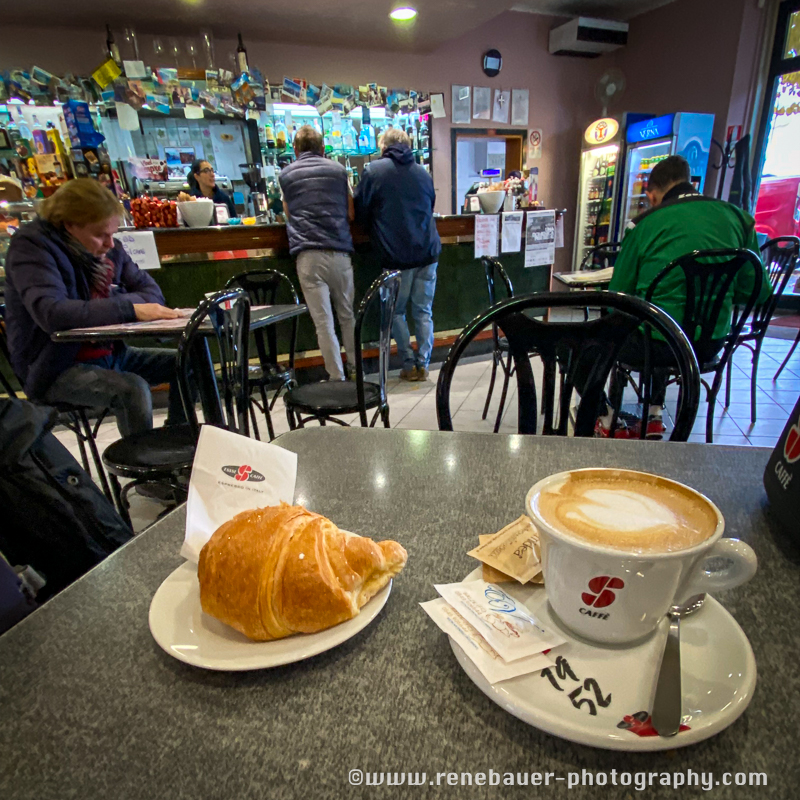
On the main square were some cars parked. Indeed, there’s a cafe open. Old men were sitting on tables, drinking coffee or beer and playing cards, while other watching and commenting the game. I could feel the eyes following me, when i entered and approached the waitress behind the counter.

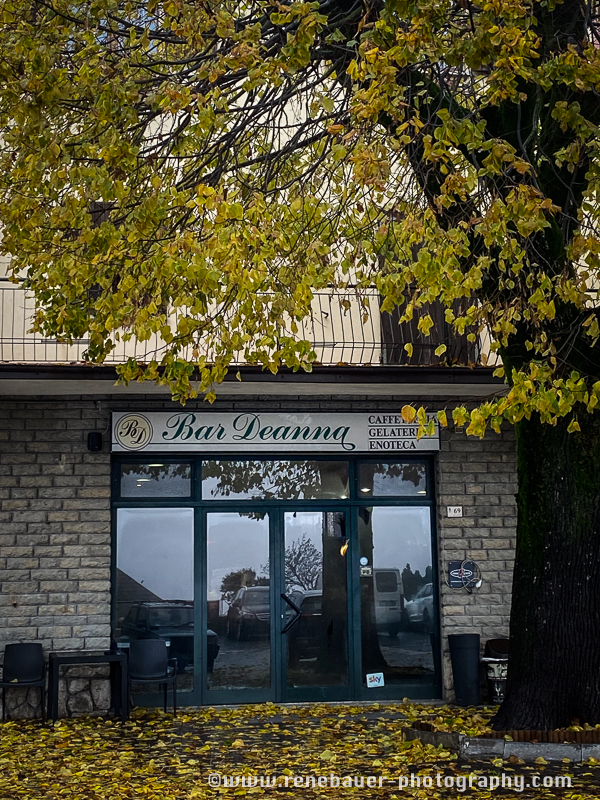
Eventually they turned back to the game and to their conversation, while i sip on my cappuccino and observe the scene. The fog made the glass door milky, as if it try to push into the room. I felt like in a time capsule, thrown back 50 years or so, when the only bar in the village was the meeting point and source of the news, inside and outside of their world.

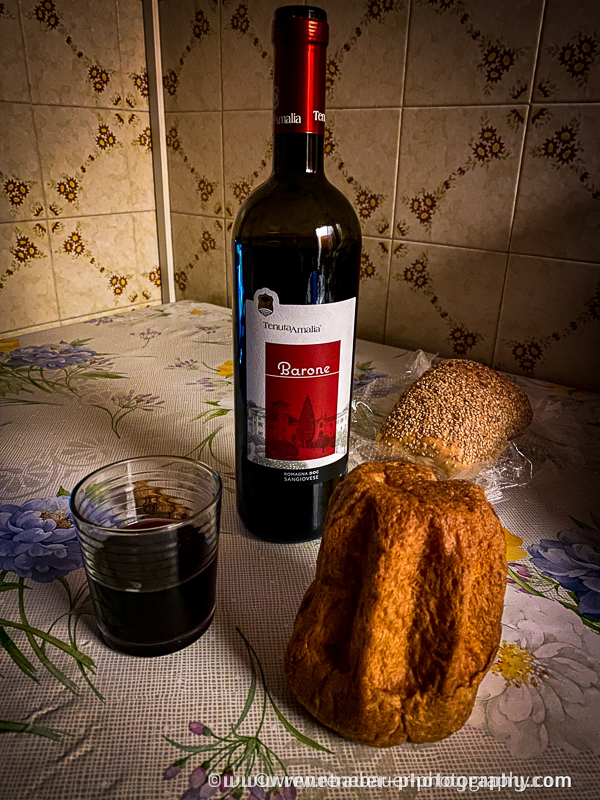
On my way back i found a little store, where i got some groceries, but most important some fresh bread, a small, typically cake, called panettone, and a bottle of red wine. What a cosy evening was awaiting me.
Sister Therese

A friend wrote me a message, telling me about a German lady, who lives in Africa since decades as a nun and founded several dispensaries. If i’m passing by that area i should visit her, he suggested. And indeed, it seemed i’m pretty close there anyway.

On my way i got stopped by the traffic police. Once more. While the officer check my papers he wanted to know where i’m heading to. I told him the story of the old lady, doing so many good things for local people. I admire to meet her and maybe making some photos of the place she founded, i explained. As the officer has seen my camera he wanted me to do a portrait shot of himself. I did. With a smile on both of us he let me go.

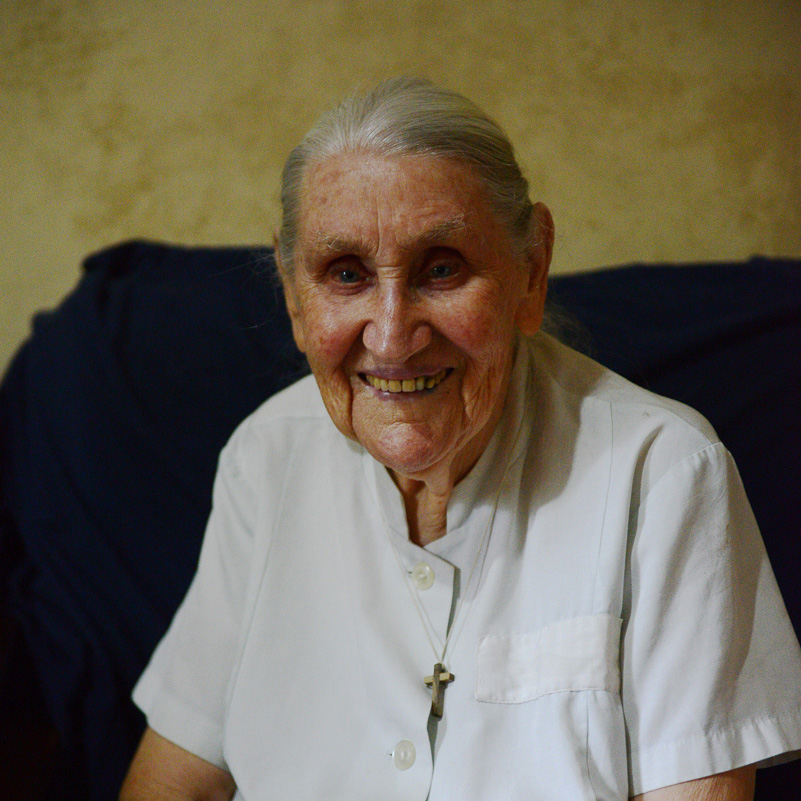
Just ask for ‚Sister Therese‘ when you reach the town, my friend advised me. And indeed, even the people on the street didn’t recognized the name of the dispensary, they reacted promptly on the name of the nun. But Sister Therese doesn’t live here anymore. The new chairman of the small hospital organized a nice chap who’s guiding me to the new founded dispensary of Sister Therese. It was about an hour drive or so. Maurice asked me to stop in a village to introduce me with the chief, who owns a shop. It’s all interesting and so much to learn about, but also time consuming. Finally we reached the dispensary and i met Sister Therese in person. After a brief tour trough the building and nearby garden, she told me her story by a soup and tea. Since she was a young girl she wanted go somewhere far. As a young nun she went to Southern Africa, studied to become a nurse and stayed many years in Zimbabwe. Many stories about trouble and terrible times, in Southern and later in Eastern Africa, but also about never ending hope and times of happiness. Her eyes are always smiling even when she’s telling dark stories. A truly strong woman, which i’d like to spend more time with, but it got late and time to leave for me. Despite the short time with her, it let a deep impression on my way out of the bush.

Rough Road To Kenya

I could take the nice tarred road out of Uganda, but the scenery on the northern slope of Mount Elgon was to tempting. The road became more bumpy and dusty with every mile, but bigger also the people smile. From time to time i had to stop for a photo, or just for the stunning view, or simply to give way to a big truck on narrow roads. Time schedule got lost. Instead of a few hours drive i needed all day to reach the Kenyan border post. The last village before frontier i found a fuel station where the diesel pump worked by hand. Can’t remember when i had such a laughter with tank guys filling up my diesel tank.

The Sipi Falls

From Kampala leads a wide, tarred road to the Kenyan border, but on my way i decided to drive a detour to the Sipi Falls. The camp was settled opposite the falls with stunning view to the scenery. Even a sprinkling rainbow appeared with the setting sun. Unfortunately it’s a typically ran down campsite, as many others in Uganda and in Africa in general. The staff tell me from a owner living far away, not interested to invest in facilities, nor seems the employers really keen on keeping it nice and tidy. they only count on customers coming (and paying) for the scenery up here. Probably i would had stayed longer if the campsite would been better maintained. However, that one beautiful night i enjoyed the place.

The Source Of River Nile

I felt the privilege to camp on a grassy site overlooking the River Nile. One site called „The Haven“ became easily a base of tranquility and peace, inviting me to stop by for awhile and do nothing than watch the river flow, the eagles fly and fishermen boats float. It was both, inspiring and meditative. The village nearby couldn’t offer much but laughters and friendly talks when i got to the only little shop around. It was actually just a shack with a weird calendar showing the Ugandian president in truly Rambo style. The ‚roll-eggs‘ they made was delicious, though.

Another camp i found was just above the spot where the Lake Victoria giving birth to the River Nile. A humble monument shows the place where the first European, a certain Mr. John Hanning Speke, spotted the source of the river on 28th July 1862.

Nyero Village and Rock Paintings

A few kilometer off the main road, the dusty road leads trough savannah and small villages. Red rock boulders appear on the horizon, growing bigger to nice shaped mountains. On such boulders, the Twa people draw mystical signs and figures on the rocks. Next to a tiny building, which suppose to be the office, i can even camp over night. This let me time to explore the the small caves with rock arts, climbing on the rocks to watch the landscape from above and visiting the villages around. There’s hardly any artificial light at night. The colors of sunset and sunrise are amazingly strong and the full moon send a silver light over the landscape.

Hike Trough Border Villages

Early morning a young guy approached me. He offered tours. Despite my plans to travel further, i got convinced to spend a day longer in this area. Julius, the young tour guide, promised me, not only to guide me for an hike along the Congo border, but also showing me authentic village life, where he’s born. I didn’t regret my decision. Trough villages and over farmland, he brought me to a cave, climbed up an hill with craters, where every inch is used as agriculture land, introduced me with school and showed me the spring, where village people get their drinking water. On this hike, i got the whole lot impression of country life in Uganda.

Pygmy Village

The pygmy people, they call themselves Batwa, used to live in the forest, where they survived as hunters and gatherers. As the forests became national parks, the Batwa got relocated without access to new hunting and collecting areas. Lost in a strange environment, many became addicted to alcohol and start with begging too. They get abused as cheap labour, survive from the leftovers of other ones or get some income from dancing and performing for tourists.

Neza, who works for an organization, which takes care for the Batwa communities, explained me the difficulties of their life. I got interested to see the real life of these people rather than visiting a tourist performance. I’m invited to join a meeting, but was expected not to come barehanded, since the Batwa rely on food and goods coming from outside. A 25 kilo bag of maize flour was my ticket to the community. But first i met a few people in the office of the organization UOBDU and got introduced to several people, as a lawyer, accountant, shop keeper of the souvenirs and the head of organization. With her i had a longer talk and learned more about the misery of the Batwa people. In short; the government neglect the Batwa, the local people don’t care, but abuse them as cheap labour and many Batwa refuse to work at all, since their culture were hunting and gathering, what is now forbidden to them. UOBDU is trying to reduce the suffering and bring them education, it got explained to me. What’s the goal for the future, i asked. Good question, was the thoughtfully reply, but still lacking the answer.

A new dirt road leads up to mountains, passing many small villages and little farms. Here in the valleys lives the Batwa in neighborhood with Hutus and Tutsis, i learned. But it seems they don’t help each other out. We arrived a tiny farm. Now we had to wait till the word spread in the neighborhood, that the members of the organization arrived. Everyone who joins the meeting had to put the name on a list and either gives a signature or a fingerprint. Then started a three hour teaching with loud words, many gestures, big laughters and role play. The topics, as i learned later, were about violence between neighbors and within family, the right of education for children and young marriages. At the end of the meeting the people gathered around the vehicle of UOBDU. Everyone who attended and signed the list for the meeting got a soap bar and some food. What was the real motivation for people to join the meeting, and will be a constantly flow of donations from foreign organizations the real future of those people? i asked myself when i passed the majestic volcano behind Lake Kayumbu.