OST-EUROPA-MOTORRADTOUR #14: Banksa Bystrica, die Perle in den Tatra Bergen

Gut ausgebaute Strassen mit langezogene Kurven führen von Ungarn nach Slowakien. Immer weiter nördlich führt mich der Weg, direkt auf’s Tatra Gebirge zu. Eigentlich weiss ich gar nicht was mich dort erwartet. Es sah auf der Karte nur verheissungsvoll aus. Bevor ich aber das Donaugebiet verlasse, stoppe ich für ein Foto an. Ein Auto hält kurz darauf, lässt die Scheibe runter und eine Frau zeigt mir ihren hochgereckten Daumen. Fragend blicke ich zurück, worauf sie „Okay?“ fragte. Sie stieg aus dem Auto aus, nimmt ihren eigenen Helm aus der hinteren Sitzbank und gibt mir zu verstehen, dass sie auch Motorradfahrerin ist. Und Motorradfahrer kümmern sich für einander. Gerührt bedanke ich mich, worauf sie mir noch ein Maskottchen übergibt, etwas wie ‚Angry Bird‘ oder ‚Furby‘. Vielleicht sollte ich ihn ‚Angry Furby‘ nennen, oder noch besser ‚Flying Furby‘? Hupend zieht jeder wieder seines Weges.

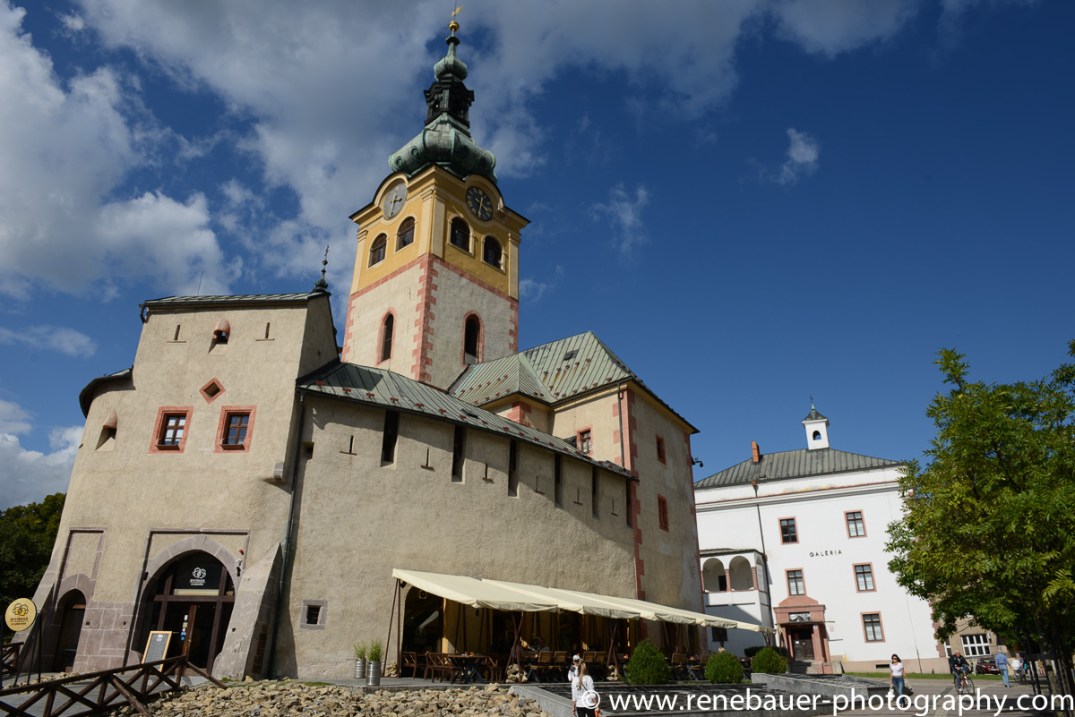
Als ich in Banksa Bystrica einfuhr, landete ich direkt beim Marktplatz. Nichts einfacheres als sich den ersten Cappuccino zu leisten und den Sonnenschein für einen kurzen Stadtrundgang zu nutzen. Ein alter Mann grüsste höflich, freute sich über meinen offensichtlichem Gefallen am Ort. Er kommt aus Bratislava, erklärte er, aber findet diesen Ort am Fusse der Tatra schöner zu leben. Ich konnte ihm beipflichten. Gepflegte Gebäuden, sauberer Marktplatz und blumengeschmückte Brunnen zieren dieses Kleinod. Ich überlegte sogar in der Nähe mein Nachtlager aufzuschlagen, beschloss dann aber trotz aufziehenden Wolken noch einige Kurven mehr unter die Räder zu nehmen. Immer tiefer mäandert der Weg ins Tatra Gebirge, bis ich am Liptovska See ein geeigneten Camping finde.

Ich wähne mich bereits alleine auf dem weitem, sattem Grün, als ein Fahrzeug mit Schweizer Kennzeichen auftauchte. Das Paar, das dem blauen Campingbus entstieg, kam mir sofort bekannt vor, konnte die zwei samt ihrem Bus auch gleich zuordnen. „Hallo“, sprach ich sie an, „euch kenne ich doch als Vlogger mit You-Tube-Kanal.“ Steffi und Lui haben sich vorgenommen, alle Länder Europas mit ihrem Bus „Karl“ zu bereisen. Aus dem vermeintlich ruhigen Abend, wurde es ein gemütlicher und spannender Austausch. Nichts ist kurzweiliger als mit Gleichgesinnten zusammen zu sitzen.

Wer ebenfalls die zwei sympathischen Reisenden kennen lernen will besucht am Besten ihren website/blog: http://comewithus2.com oder besucht ihren Youtube-Kanal 


OST-EUROPA-MOTORRADTOUR #7: Der berühmte Marktplatz von Kromeriz

Der Rückfahrt von Polen nach Tschechien führt auf herrlicher Motorradstrecke durch die Böhmischen Schweiz. Immer weiter ziehen sich die Kurven bis ich kurz vor Kromeriz stehen bleibe. Ich bekam ein Übernachtungsangebot von Karel, der mich herzlichst bewirtete, Bier und Slibowitz ausschenkte und sehr besorgt um einen sicheren Platz meiner Honda war.

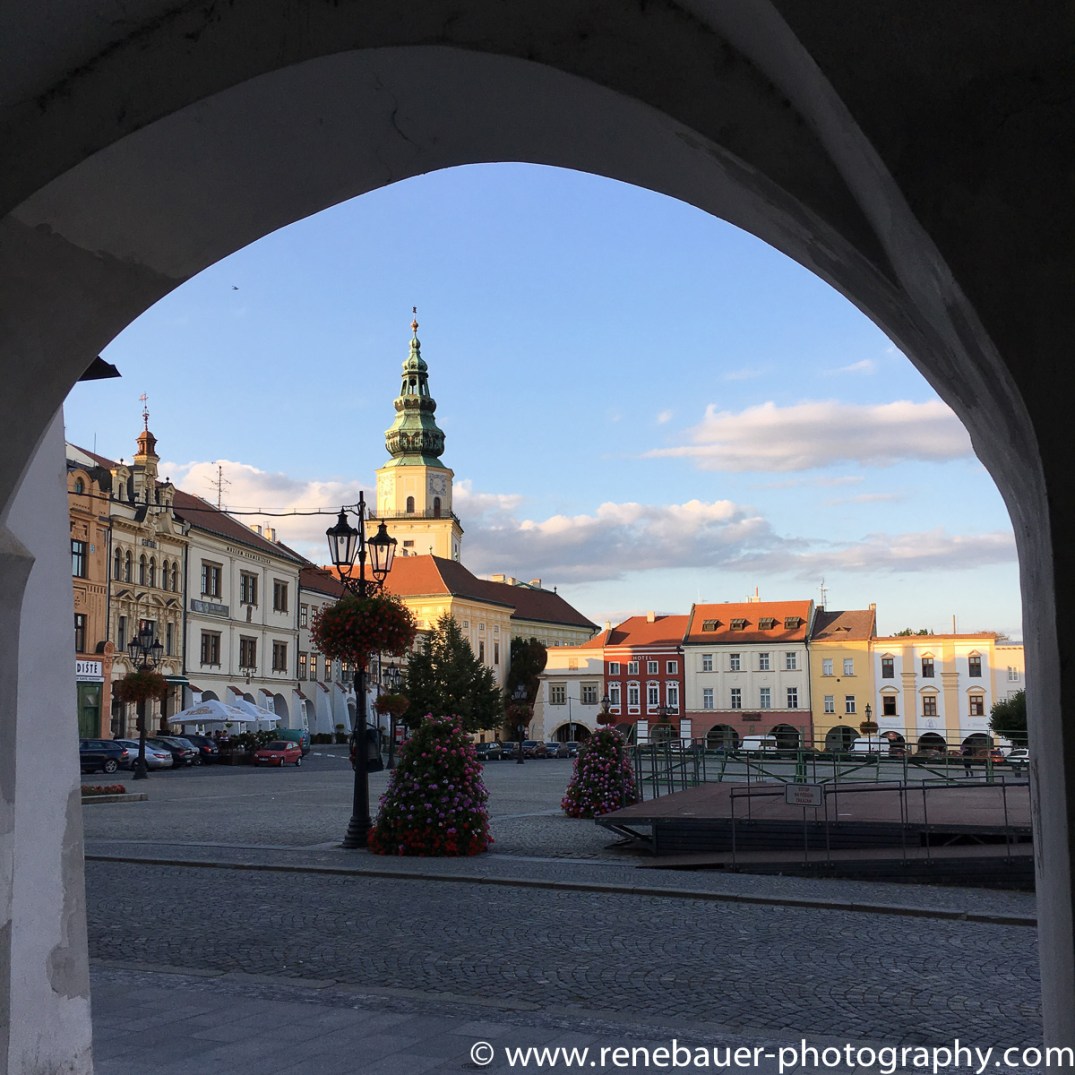
Am nächsten Morgen fand ich dann einen um so schöneren Parkplatz direkt auf dem UNESCO geschützten Marktplatz von Kromeriz. Ein leckeres Frühstück und kleiner Stadtrundgang folgten. Dabei begegnete ich Hare Krishna Anhänger, die singend und tanzend durch den Ort zogen. Sie hätten eine Farm, auf der sie leben und meditieren, erklärt mir ein Anhänger der Glaubensrichtung. Er lud mich herzlich ein, ihnen auf diese farm zu folgen. Doch mein weg führt mich weiter Richtung Süden nach Brno…


OST-EUROPA-MOTORRADTOUR #5: Melnik und die gruselige Gruft

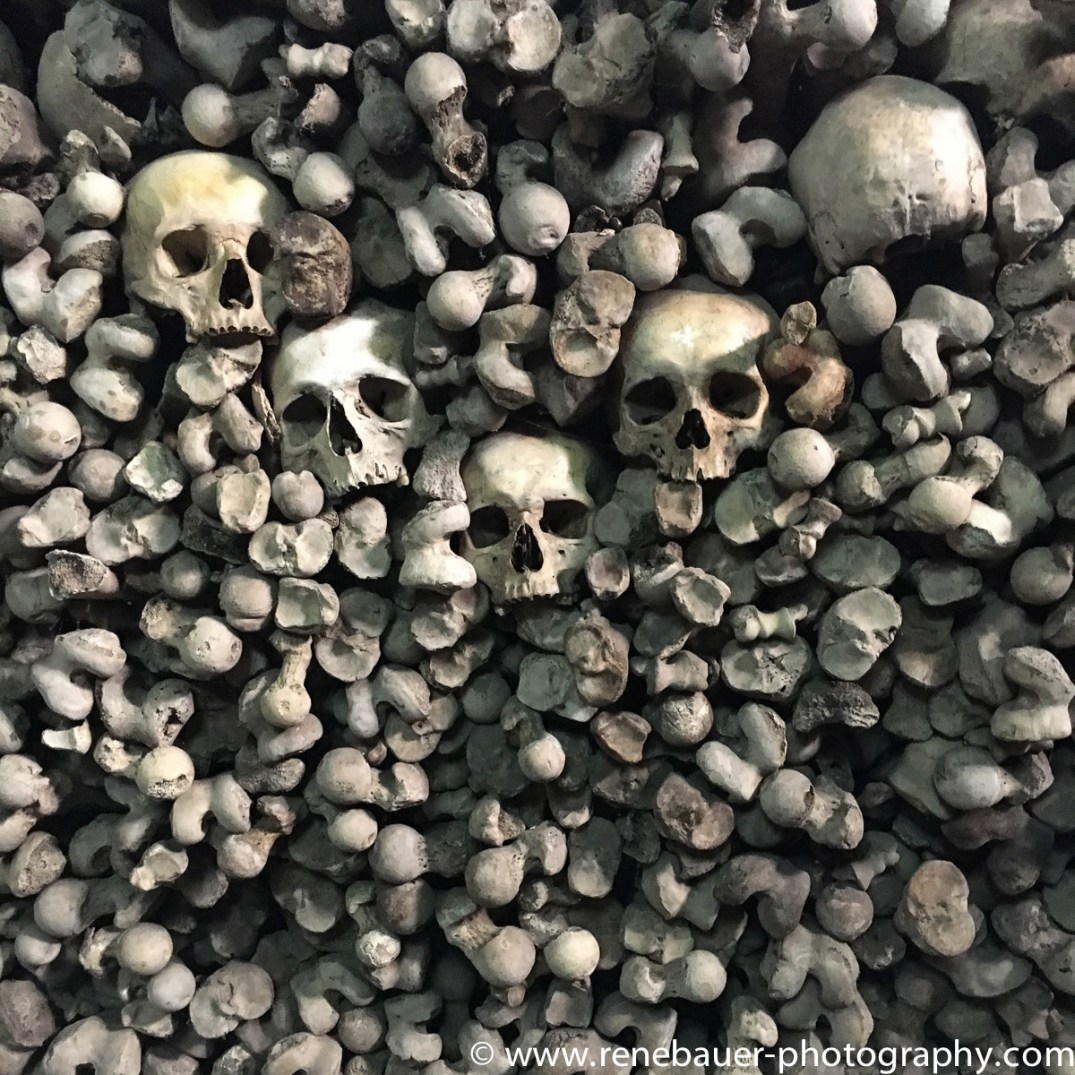
Mein Motorrad-/Reisekumpel erzählte mir beim Frühstück von der Knochengruft in Melnik, das nur etwa 40 Kilometer ausserhalb Prag liegt. Spontan entschlossen wir zusammen dorthin zu fahren. Melnik, ein kleiner, schmucker Ort, liegt auf einem Hügel. Von der Kirche aus kann man den Zusammenfluss von Moldau und Elbe unter dem Weinberg sehen. Unter der Kirche aber befindet sich die Gruft, in der tausende von Knochen und Schädel aufgeschichtet liegen. Ehrfürchtig traten wir in den modrigen Raum, staunten über die bleichen Wänden aus Menschenknochen. Eine dumpfe, drohende Musik erschallte aus versteckten Lautsprecher. Aus dem Off begann jemand die Geschichte der Kirche, des Ortes und den nahen Schlachtfelder zu erzählen, aus denen viele dieser Überreste stammten.

Wieder am Tageslicht erfreuten wir uns dem Grün der Umgebung und einem stärkendem Kaffee, bevor wir voneinander Abschied nahmen. Jeder in einer anderen Richtung fahrend, die Hoffnung mit sich tragend, sich einander wieder zu sehen bevor man in einer Gruft endet.

Sister Therese

A friend wrote me a message, telling me about a German lady, who lives in Africa since decades as a nun and founded several dispensaries. If i’m passing by that area i should visit her, he suggested. And indeed, it seemed i’m pretty close there anyway.

On my way i got stopped by the traffic police. Once more. While the officer check my papers he wanted to know where i’m heading to. I told him the story of the old lady, doing so many good things for local people. I admire to meet her and maybe making some photos of the place she founded, i explained. As the officer has seen my camera he wanted me to do a portrait shot of himself. I did. With a smile on both of us he let me go.

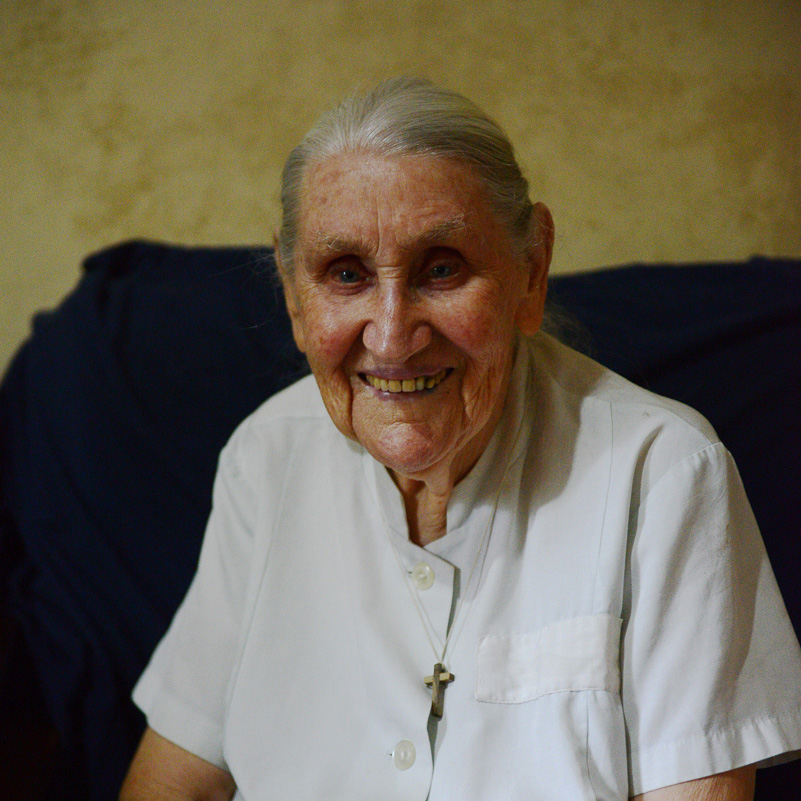
Just ask for ‚Sister Therese‘ when you reach the town, my friend advised me. And indeed, even the people on the street didn’t recognized the name of the dispensary, they reacted promptly on the name of the nun. But Sister Therese doesn’t live here anymore. The new chairman of the small hospital organized a nice chap who’s guiding me to the new founded dispensary of Sister Therese. It was about an hour drive or so. Maurice asked me to stop in a village to introduce me with the chief, who owns a shop. It’s all interesting and so much to learn about, but also time consuming. Finally we reached the dispensary and i met Sister Therese in person. After a brief tour trough the building and nearby garden, she told me her story by a soup and tea. Since she was a young girl she wanted go somewhere far. As a young nun she went to Southern Africa, studied to become a nurse and stayed many years in Zimbabwe. Many stories about trouble and terrible times, in Southern and later in Eastern Africa, but also about never ending hope and times of happiness. Her eyes are always smiling even when she’s telling dark stories. A truly strong woman, which i’d like to spend more time with, but it got late and time to leave for me. Despite the short time with her, it let a deep impression on my way out of the bush.

Rough Road To Kenya

I could take the nice tarred road out of Uganda, but the scenery on the northern slope of Mount Elgon was to tempting. The road became more bumpy and dusty with every mile, but bigger also the people smile. From time to time i had to stop for a photo, or just for the stunning view, or simply to give way to a big truck on narrow roads. Time schedule got lost. Instead of a few hours drive i needed all day to reach the Kenyan border post. The last village before frontier i found a fuel station where the diesel pump worked by hand. Can’t remember when i had such a laughter with tank guys filling up my diesel tank.

The Sipi Falls

From Kampala leads a wide, tarred road to the Kenyan border, but on my way i decided to drive a detour to the Sipi Falls. The camp was settled opposite the falls with stunning view to the scenery. Even a sprinkling rainbow appeared with the setting sun. Unfortunately it’s a typically ran down campsite, as many others in Uganda and in Africa in general. The staff tell me from a owner living far away, not interested to invest in facilities, nor seems the employers really keen on keeping it nice and tidy. they only count on customers coming (and paying) for the scenery up here. Probably i would had stayed longer if the campsite would been better maintained. However, that one beautiful night i enjoyed the place.

The Source Of River Nile

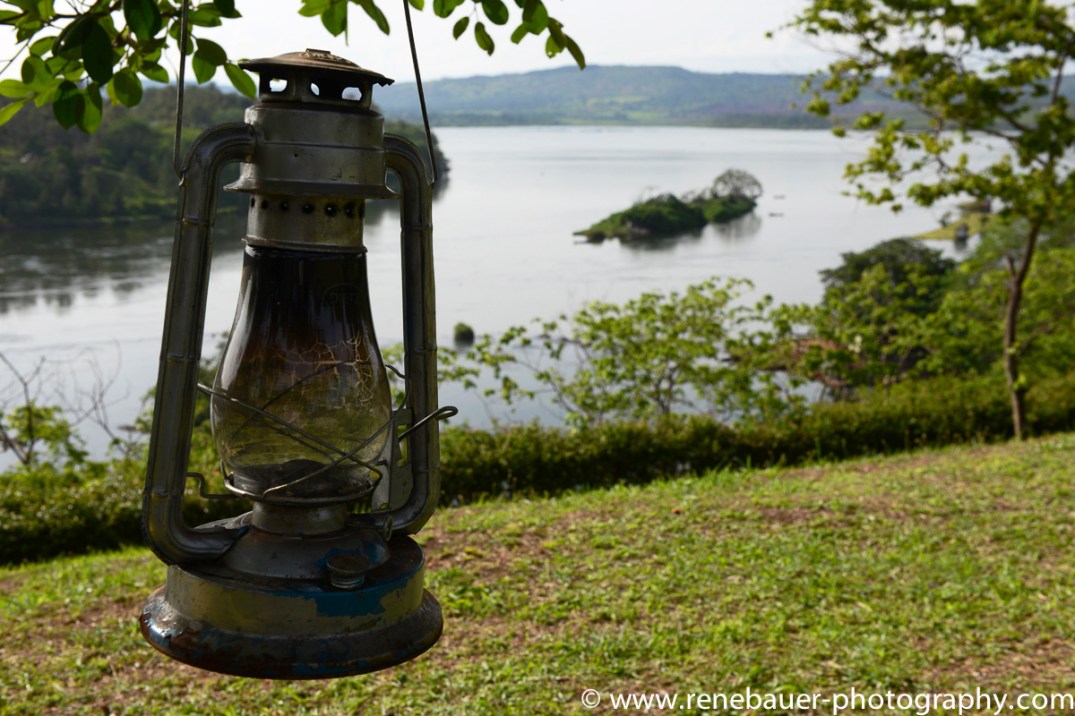
I felt the privilege to camp on a grassy site overlooking the River Nile. One site called „The Haven“ became easily a base of tranquility and peace, inviting me to stop by for awhile and do nothing than watch the river flow, the eagles fly and fishermen boats float. It was both, inspiring and meditative. The village nearby couldn’t offer much but laughters and friendly talks when i got to the only little shop around. It was actually just a shack with a weird calendar showing the Ugandian president in truly Rambo style. The ‚roll-eggs‘ they made was delicious, though.

Another camp i found was just above the spot where the Lake Victoria giving birth to the River Nile. A humble monument shows the place where the first European, a certain Mr. John Hanning Speke, spotted the source of the river on 28th July 1862.

Nyero Village and Rock Paintings

A few kilometer off the main road, the dusty road leads trough savannah and small villages. Red rock boulders appear on the horizon, growing bigger to nice shaped mountains. On such boulders, the Twa people draw mystical signs and figures on the rocks. Next to a tiny building, which suppose to be the office, i can even camp over night. This let me time to explore the the small caves with rock arts, climbing on the rocks to watch the landscape from above and visiting the villages around. There’s hardly any artificial light at night. The colors of sunset and sunrise are amazingly strong and the full moon send a silver light over the landscape.

At The Banks Of River Nile

At the other side of the Nile a fishing lodge offers boat trips even into South Sudan, i heard. Fishing lodge sounds posh, but when i arrived it was a run-down lodge with basic facilities. Yet still the charm of better times stays in the air. A small group of locals arrived just after me. They came for a little party under friends, brought a living goat in the car trunk and let them to the butcher to slaughter it in the backyard. There were more animals waiting to get eaten up, but having a peacefully live till then. A pig with a bunch of small ones, chicken, more goats. Eagles circling over the river when i walked along the banks and gave the scenery a peaceful touch of freedom.

Moyo’s Refugee Camps

There’s a beautiful landscape far north of Uganda, just at the border to South Sudan, i read. Off i go, and many bumpy kilometers later i reached Moyo, a dusty border town. Dozens of big, white Toyotas and trucks with blue UN letters or red crosses crossing my way. It’s not a sleepy town anymore since thousands of Sudanese refugees fleeing from the war and passing trough here. I stopped for a bitter lemon at a bar, watching busses with refugees coming from reception camps, get somewhere out of town. Young men hanging around, drinking cheap liquor from small plastic bags. I need a tourist camp to stay overnight, i tell them. Helpfully they explain me the way, spell the name of a place and show me the spot on the map. Just at the river Nile. Looks great to me. When i arrived the place it turns out as huge refugee camp. It’s too late to turn back, so i ask around for a real „tourist camp/lodge“. Another friendly guy shows the direction, just to end up in another refugee camp, even further away from next town. I felt lucky to see a bunch of big, expensive Toyotas with the emblem of a NGO. I asked friendly to stay at the carpark, where a guard is watching at night anyway. A young white guy called himself in charge, but refused to take any responsibility and sent me away. When i turned for another help, he gave me the advice to ask the neighbors, but offer them some money for their help. „sure“, i smiled to him, but thought ‚fuck you off with your cheap advices while too cowardly to let me even stay here, you white prick‘.

The locals were more helpful, sent me to the police station midst of a refugee camp. In front of a few round houses some police officers were sitting in plain clothes. After i got the allowance to stay, i sat with them and listen to their stories. The current camp opened only three months again. Every day hundreds of more refugees are coming, flooding the camps and plans for extending the area already existing. While we spoke, some armed officers arrived in uniforms, turned back from their patrol by motorbikes.  In one of the round houses the prisoners are kept until there’s a transport to Moyo to the bigger jail. Some of them move relatively free, others were with hand chains. They get out of the house to help carrying water or doing some minor jobs. When night falls over the camp, all went silent. No light, no noise. I felt like sleeping in a completely remote area.