OST-EUROPA-MOTORRADTOUR #9: Der Wein von Süd-Mähren

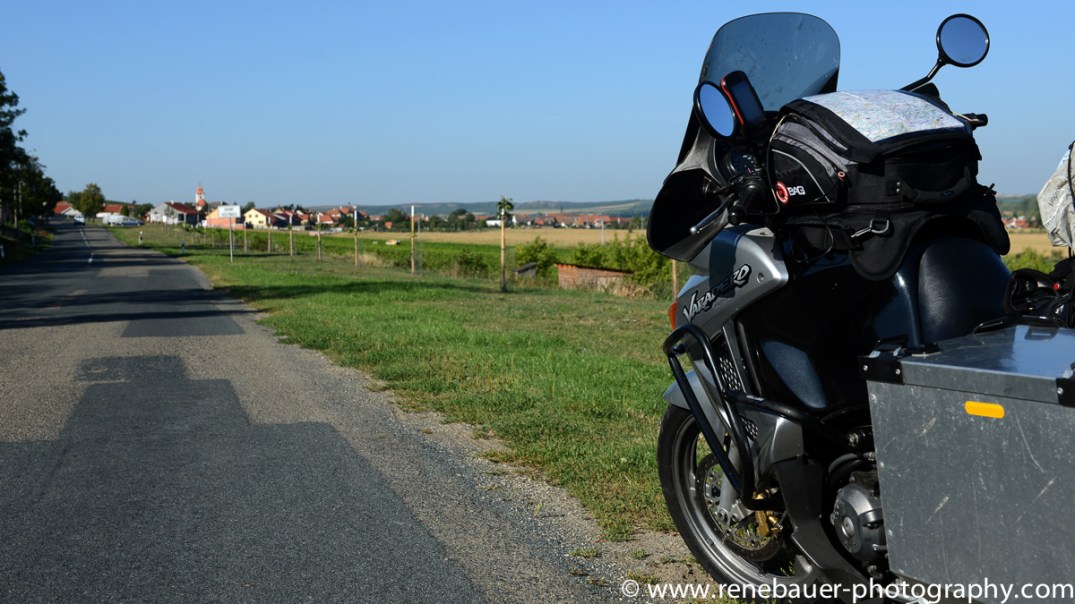
Für einmal ausserhalb der Stadt übernachten. In einer ruhigen, ländlichen Gegend schlafen. Mein Zelt im Grünen aufbauen und der Natur lauschen. Und wo wäre so ein Vorhaben besser als in einem Weinanbaugebiet? In Süd-Mähren, unweit von Brno, liegt das älteste Weinanbaugebiet von Tschechien. Ein Campingplatz ist schnell gefunden und bereits die Hinfahrt versprach Gutes: Weinreben entlang des Weges. Ein See gleich beim Camping rundete die Sache idyllisch ab.

Beim Schlendern durch das stille Dorf liebäugelte ich mit einem Ruhetag in dieser Idylle. vor einer kleinen Bar sassen Männer im mittleren Alter und darüber. Jeder ein Bier oder Weinglas vor sich. Sie musterten die wenigen Spaziergänger, die vorüber gingen. Ich trat in die Bar, fragte nach hiesigem Wein. Der junge Barkeeper schenkte mir ein Glas Weisswein ein. Süss und süffig. Mit dem Wein kamen Geschichten aus dem jungen Leben des Barkeepers. Wenn das Leben zu süss ist, kann es zu Kopf steigen, sinnierten wir. So wie der süsse Wein mir zu Kopf steigt. Ich trete in die frische Luft raus. Müde von der fahrt und vom Wein lege ich mich ins Zelt. Draussen trinken sie weiter, hören laut Musik, feiern das Leben und den Wein. Der nächste Camping vielleicht doch nicht mehr in einem Weinanbaugebiet, denke ich als ich den Schlaf suche.

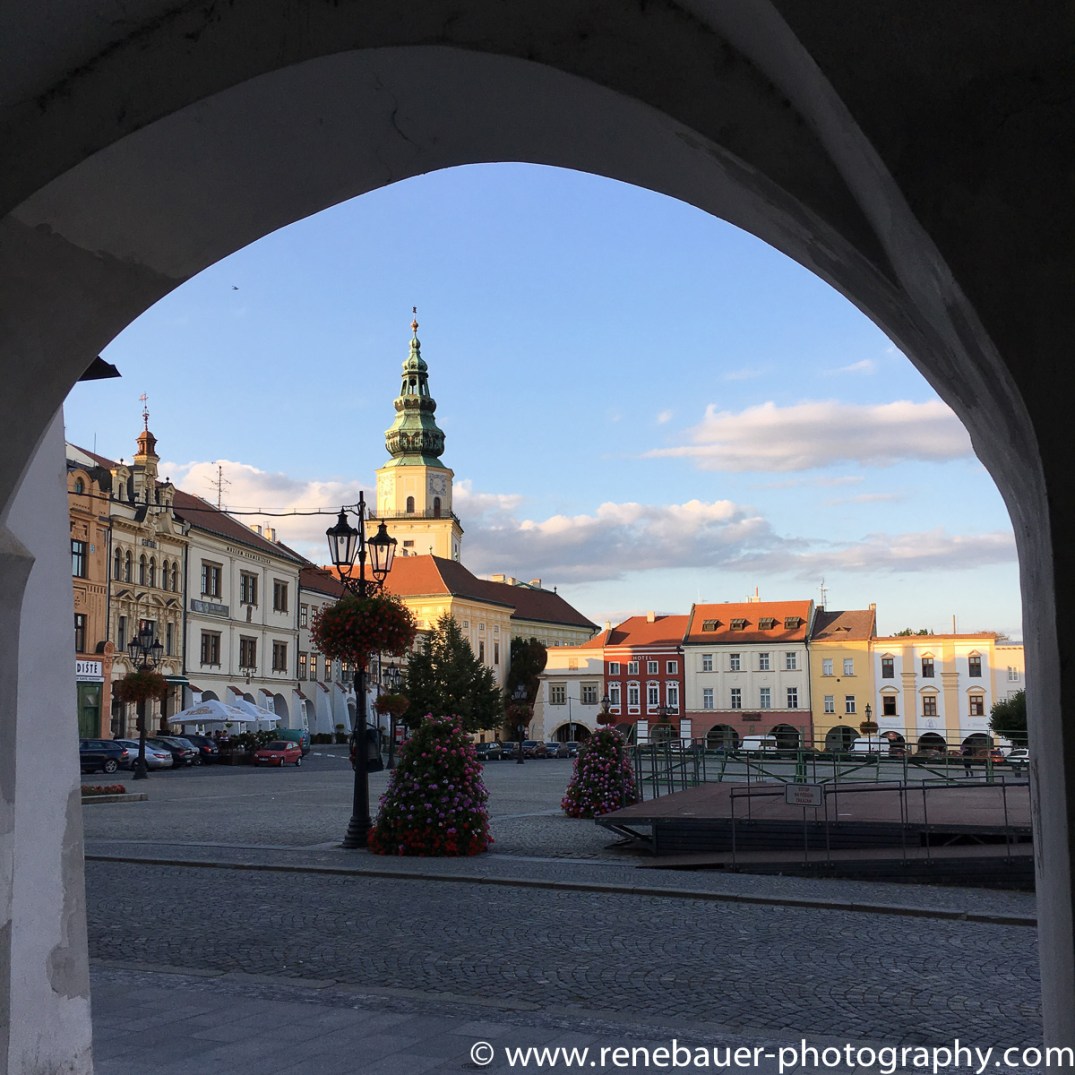
OST-EUROPA-MOTORRADTOUR #7: Der berühmte Marktplatz von Kromeriz

Der Rückfahrt von Polen nach Tschechien führt auf herrlicher Motorradstrecke durch die Böhmischen Schweiz. Immer weiter ziehen sich die Kurven bis ich kurz vor Kromeriz stehen bleibe. Ich bekam ein Übernachtungsangebot von Karel, der mich herzlichst bewirtete, Bier und Slibowitz ausschenkte und sehr besorgt um einen sicheren Platz meiner Honda war.

Am nächsten Morgen fand ich dann einen um so schöneren Parkplatz direkt auf dem UNESCO geschützten Marktplatz von Kromeriz. Ein leckeres Frühstück und kleiner Stadtrundgang folgten. Dabei begegnete ich Hare Krishna Anhänger, die singend und tanzend durch den Ort zogen. Sie hätten eine Farm, auf der sie leben und meditieren, erklärt mir ein Anhänger der Glaubensrichtung. Er lud mich herzlich ein, ihnen auf diese farm zu folgen. Doch mein weg führt mich weiter Richtung Süden nach Brno…


Sister Therese

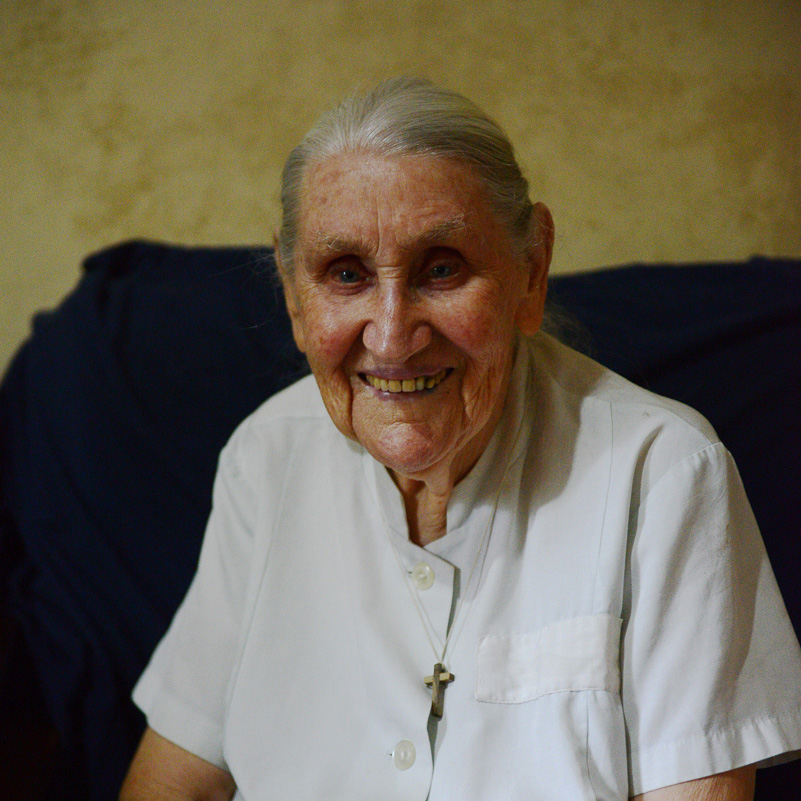
A friend wrote me a message, telling me about a German lady, who lives in Africa since decades as a nun and founded several dispensaries. If i’m passing by that area i should visit her, he suggested. And indeed, it seemed i’m pretty close there anyway.

On my way i got stopped by the traffic police. Once more. While the officer check my papers he wanted to know where i’m heading to. I told him the story of the old lady, doing so many good things for local people. I admire to meet her and maybe making some photos of the place she founded, i explained. As the officer has seen my camera he wanted me to do a portrait shot of himself. I did. With a smile on both of us he let me go.

Just ask for ‚Sister Therese‘ when you reach the town, my friend advised me. And indeed, even the people on the street didn’t recognized the name of the dispensary, they reacted promptly on the name of the nun. But Sister Therese doesn’t live here anymore. The new chairman of the small hospital organized a nice chap who’s guiding me to the new founded dispensary of Sister Therese. It was about an hour drive or so. Maurice asked me to stop in a village to introduce me with the chief, who owns a shop. It’s all interesting and so much to learn about, but also time consuming. Finally we reached the dispensary and i met Sister Therese in person. After a brief tour trough the building and nearby garden, she told me her story by a soup and tea. Since she was a young girl she wanted go somewhere far. As a young nun she went to Southern Africa, studied to become a nurse and stayed many years in Zimbabwe. Many stories about trouble and terrible times, in Southern and later in Eastern Africa, but also about never ending hope and times of happiness. Her eyes are always smiling even when she’s telling dark stories. A truly strong woman, which i’d like to spend more time with, but it got late and time to leave for me. Despite the short time with her, it let a deep impression on my way out of the bush.

Rough Road To Kenya

I could take the nice tarred road out of Uganda, but the scenery on the northern slope of Mount Elgon was to tempting. The road became more bumpy and dusty with every mile, but bigger also the people smile. From time to time i had to stop for a photo, or just for the stunning view, or simply to give way to a big truck on narrow roads. Time schedule got lost. Instead of a few hours drive i needed all day to reach the Kenyan border post. The last village before frontier i found a fuel station where the diesel pump worked by hand. Can’t remember when i had such a laughter with tank guys filling up my diesel tank.

The Source Of River Nile

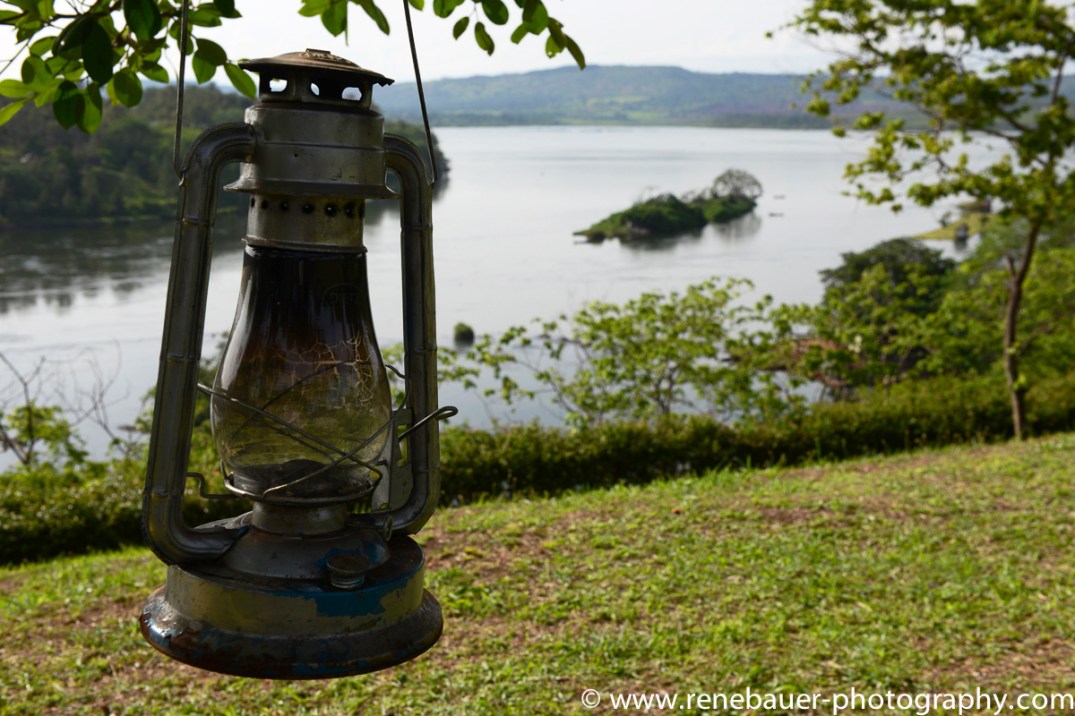
I felt the privilege to camp on a grassy site overlooking the River Nile. One site called „The Haven“ became easily a base of tranquility and peace, inviting me to stop by for awhile and do nothing than watch the river flow, the eagles fly and fishermen boats float. It was both, inspiring and meditative. The village nearby couldn’t offer much but laughters and friendly talks when i got to the only little shop around. It was actually just a shack with a weird calendar showing the Ugandian president in truly Rambo style. The ‚roll-eggs‘ they made was delicious, though.

Another camp i found was just above the spot where the Lake Victoria giving birth to the River Nile. A humble monument shows the place where the first European, a certain Mr. John Hanning Speke, spotted the source of the river on 28th July 1862.

Moyo’s Refugee Camps

There’s a beautiful landscape far north of Uganda, just at the border to South Sudan, i read. Off i go, and many bumpy kilometers later i reached Moyo, a dusty border town. Dozens of big, white Toyotas and trucks with blue UN letters or red crosses crossing my way. It’s not a sleepy town anymore since thousands of Sudanese refugees fleeing from the war and passing trough here. I stopped for a bitter lemon at a bar, watching busses with refugees coming from reception camps, get somewhere out of town. Young men hanging around, drinking cheap liquor from small plastic bags. I need a tourist camp to stay overnight, i tell them. Helpfully they explain me the way, spell the name of a place and show me the spot on the map. Just at the river Nile. Looks great to me. When i arrived the place it turns out as huge refugee camp. It’s too late to turn back, so i ask around for a real „tourist camp/lodge“. Another friendly guy shows the direction, just to end up in another refugee camp, even further away from next town. I felt lucky to see a bunch of big, expensive Toyotas with the emblem of a NGO. I asked friendly to stay at the carpark, where a guard is watching at night anyway. A young white guy called himself in charge, but refused to take any responsibility and sent me away. When i turned for another help, he gave me the advice to ask the neighbors, but offer them some money for their help. „sure“, i smiled to him, but thought ‚fuck you off with your cheap advices while too cowardly to let me even stay here, you white prick‘.

The locals were more helpful, sent me to the police station midst of a refugee camp. In front of a few round houses some police officers were sitting in plain clothes. After i got the allowance to stay, i sat with them and listen to their stories. The current camp opened only three months again. Every day hundreds of more refugees are coming, flooding the camps and plans for extending the area already existing. While we spoke, some armed officers arrived in uniforms, turned back from their patrol by motorbikes.  In one of the round houses the prisoners are kept until there’s a transport to Moyo to the bigger jail. Some of them move relatively free, others were with hand chains. They get out of the house to help carrying water or doing some minor jobs. When night falls over the camp, all went silent. No light, no noise. I felt like sleeping in a completely remote area.

Murchison Safari Camp

Crossing the Victoria Nile over a bridge with the view of Karuma Falls, i got to the north of Uganda now. I noticed a Camp, just at the northern gate of Murchison Falls Nationalpark, where wildlife seems to cross. At that remote and quite camp is a waterhole. The manager, a young, smart lady, confirmed sometimes elephants, giraffes and more wildlife are to observe here. Despite my patience to watch out for them, the recently rain didn’t gave them the urge to come to the waterhole. Instead big animals i found big spiders, cats, chicken …and then yes, some antelopes came shyly closer. However, some relaxed days in peaceful nature.

Lynda At The Beach

Lynda was traveling Tanzania, as she heard about my lifestyle. To my surprise she changed her travel plans, checked out of her five-star-hotel and pitched her tiny tent next to my Land Rover which was south of Daressalam that time. She wanted know more about how i live and travel. However, i brought her to my „hideaway beach“, where we started spontaneously a photo shooting. Not having my full equipment with me, i tried to give my best, as Lynda did too. And she did well, didn’t she? 😀

The Salt Lake

Katwe is a village at northern end of Lake Edward. Along a dusty, bumpy road are some shops and gloomy bars. Most of people living in the houses scattered in the neighborhood or next to the huge lake. At first glimpse just another quite village somewhere in Uganda. But there is something special. Just next to this village, beyond a low crater rim, a small lake appears. At the shore are many ponds in different sizes and colors, mostly dark reddish to almost black. The high quantity of salt makes it worth to collect it. This business grew over generations, and the trade system is still the same. There is no big company who owns the salt, but families taking care for their own plot. A plot usually get inherited to the next generation of the family. Beside the plots, there are also men who walking in the middle of the shallow lake. With iron sticks they break the salty rocks from the ground of the lake and bring it on rafts on land. The salt, crystalline or as rocky plates, get shifted on shore, protected by plastic sheets or covered with dry grass, till they sold and moved by trucks.

Coffee Plantation

On the volcanic soil, coffee grows better and is tastier than where else, they say. So, i visit a coffee plantation near Kisoro to proof it. The friendly people here explain the entire process from the seedlings to green beans to the ripe red ones, from harvest to the inner beans and drying process, from stamping off the skin to roasting over the fire. But best of all, the coffee tasting at the end. For the next weeks i know exactly where my coffee was grown.